Showing posts with label BMW. Show all posts

Thursday, December 20, 2012

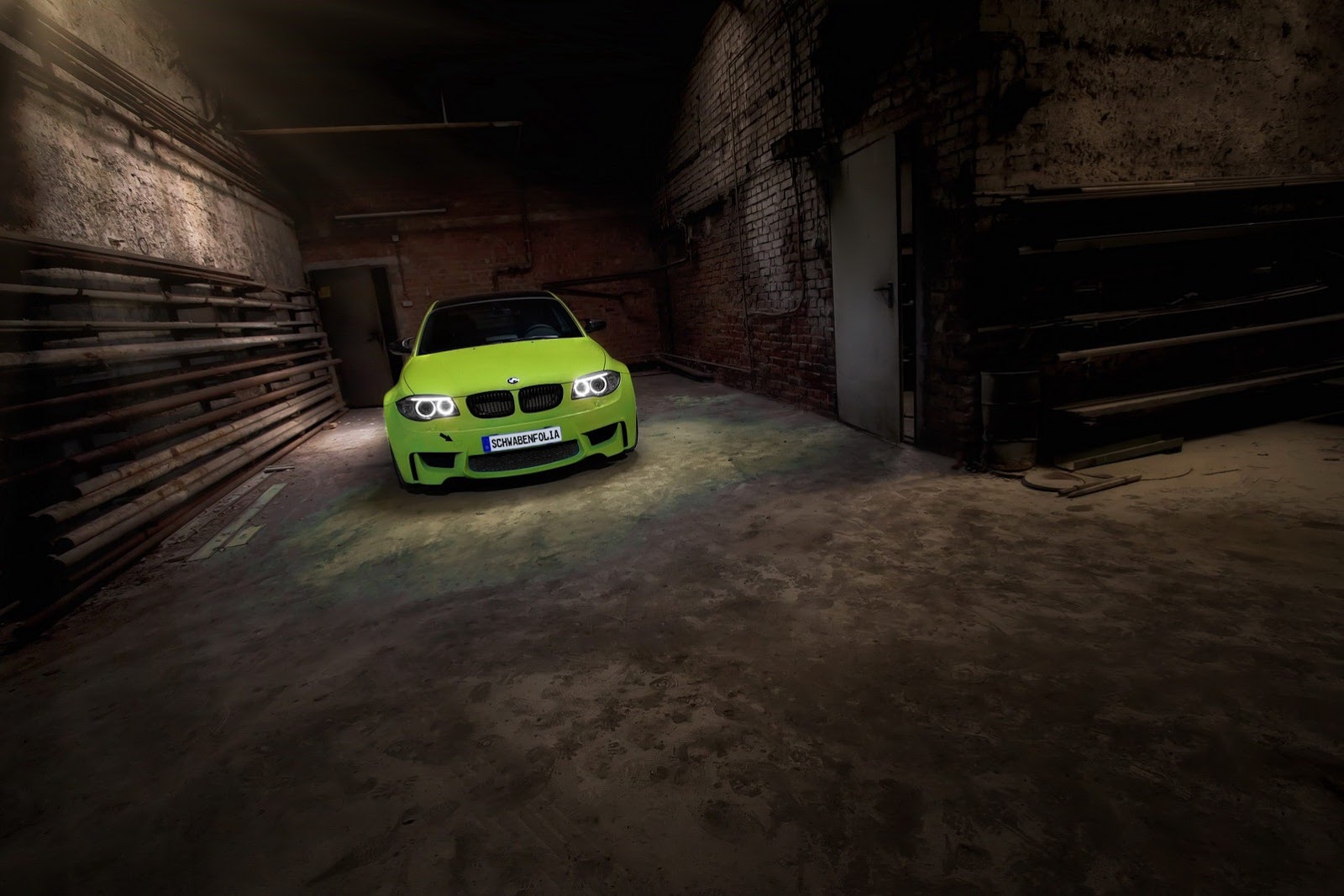
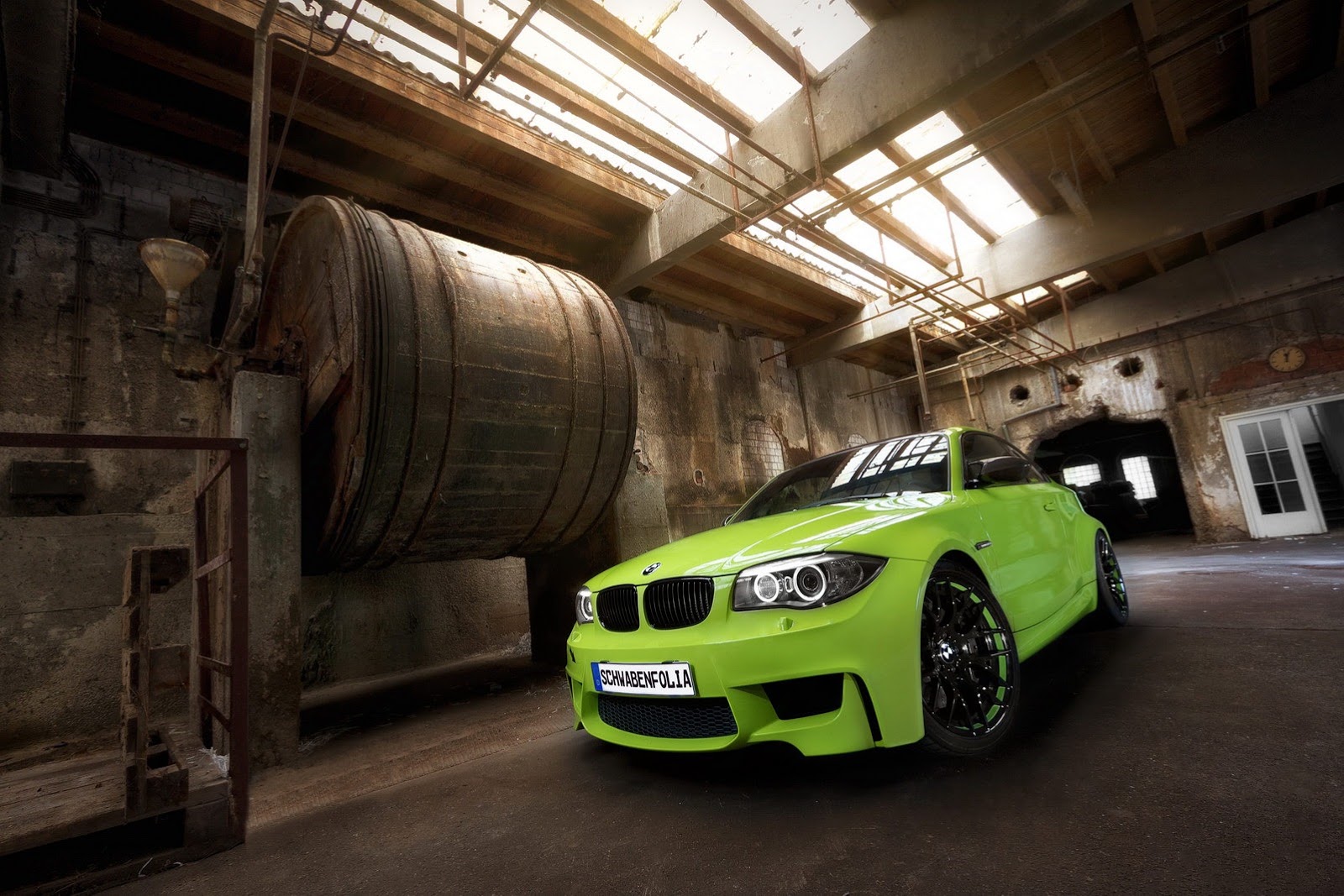
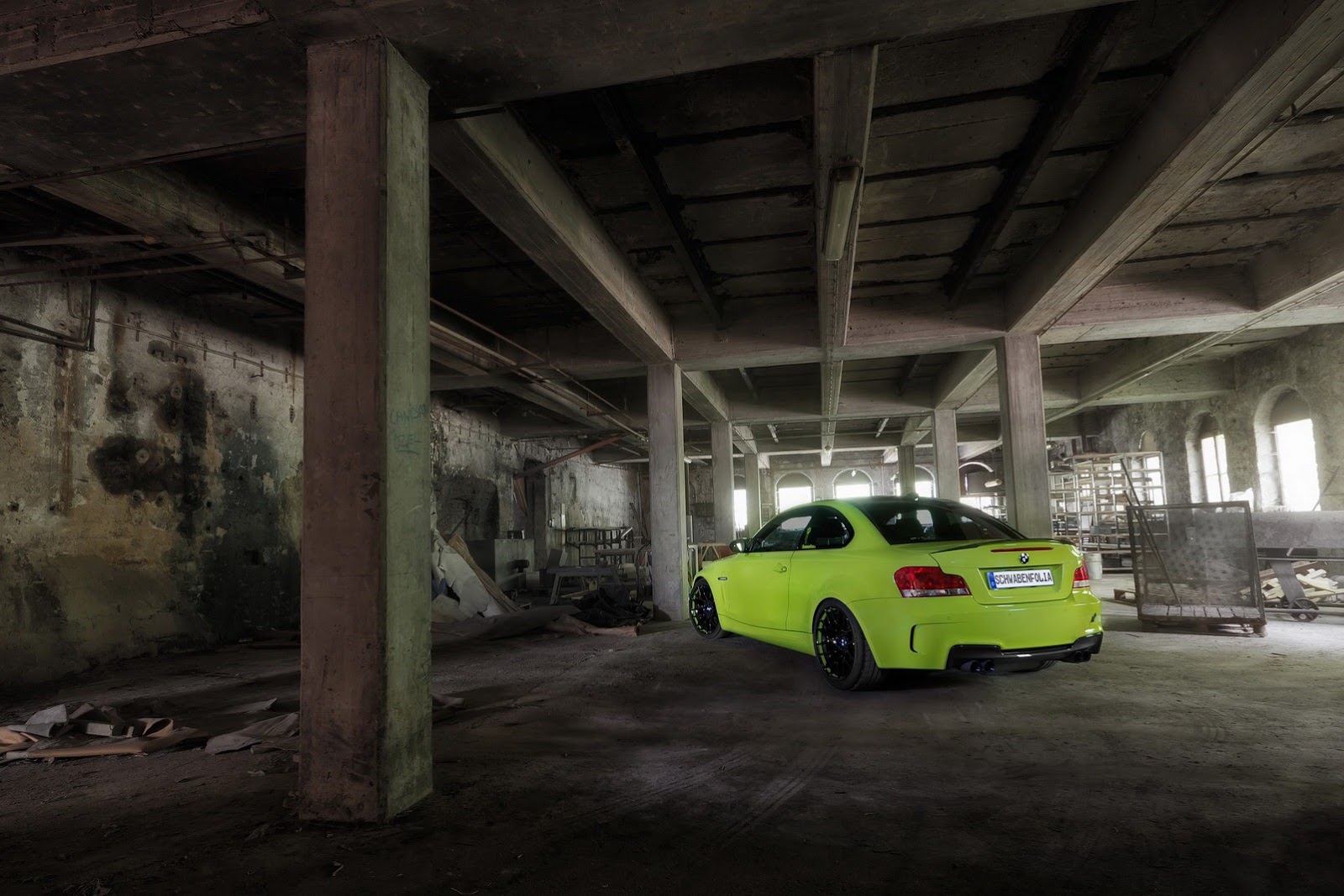
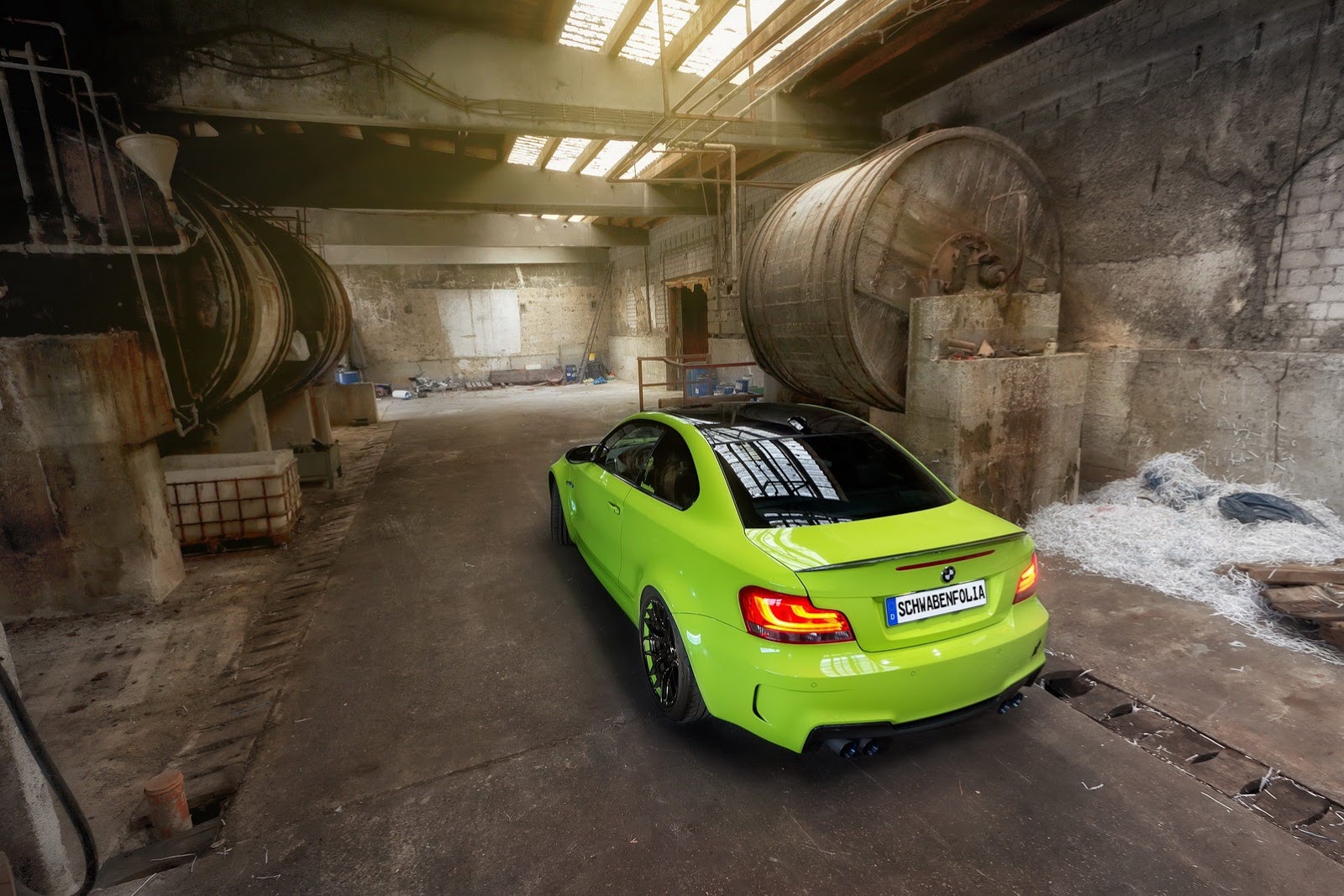
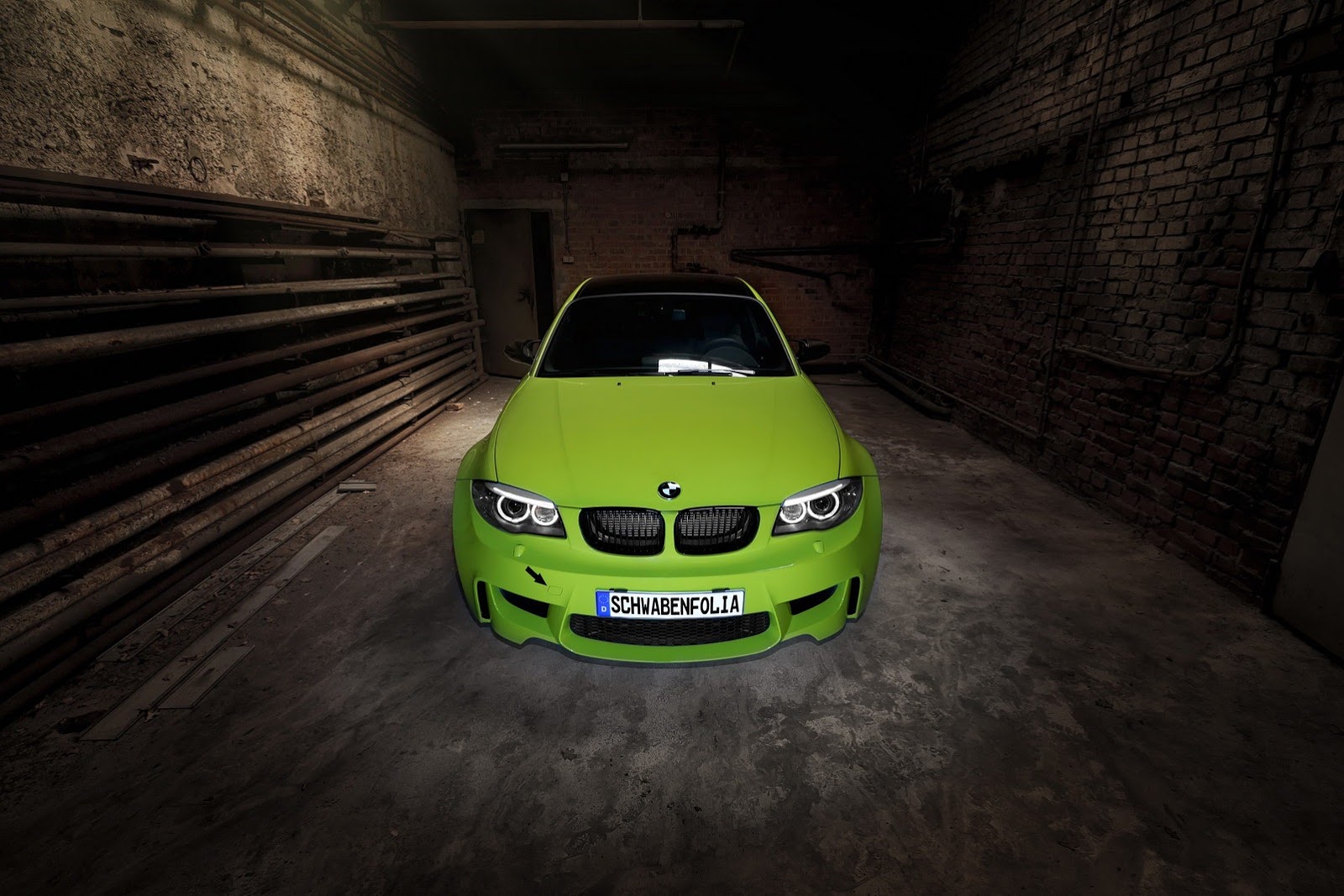
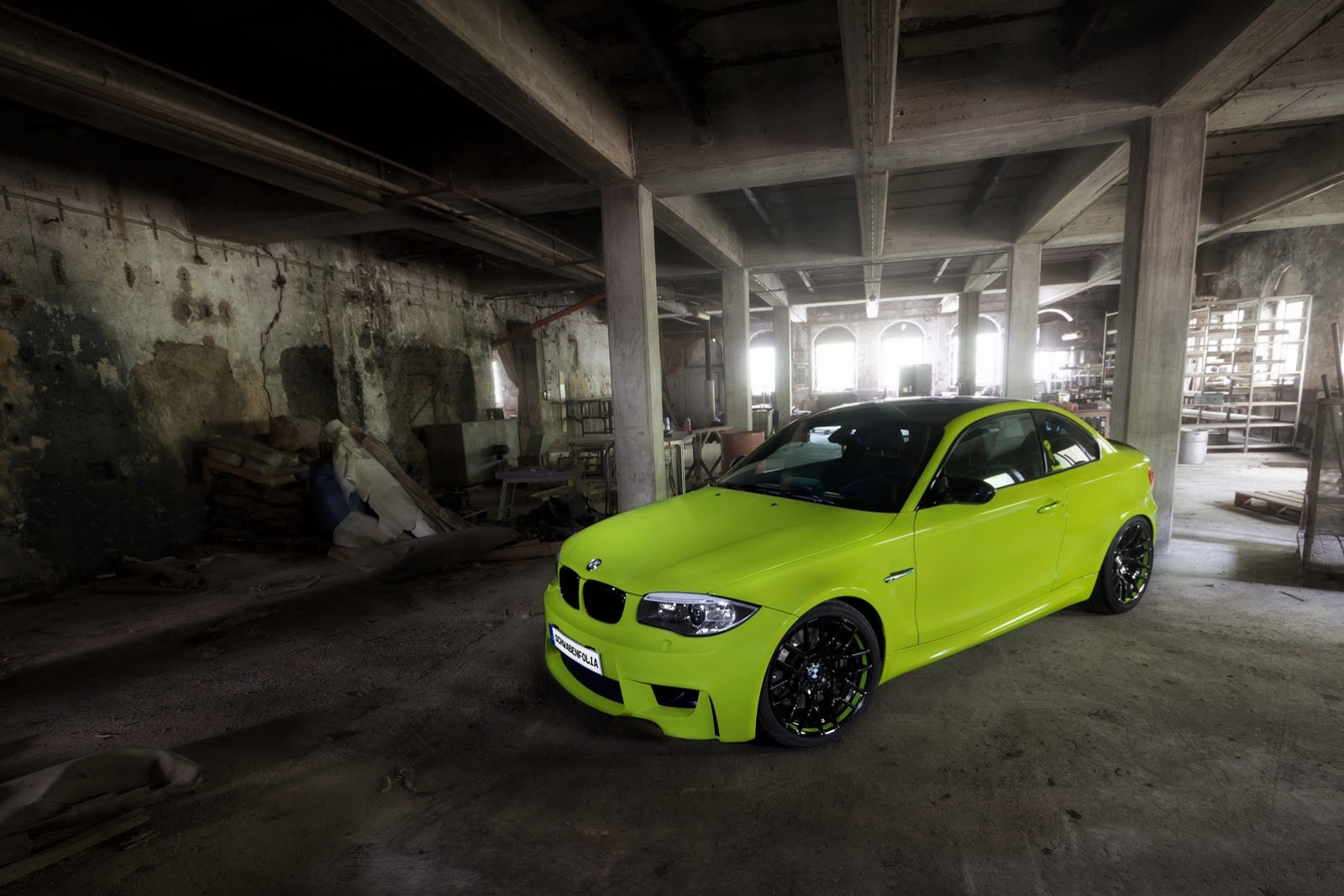
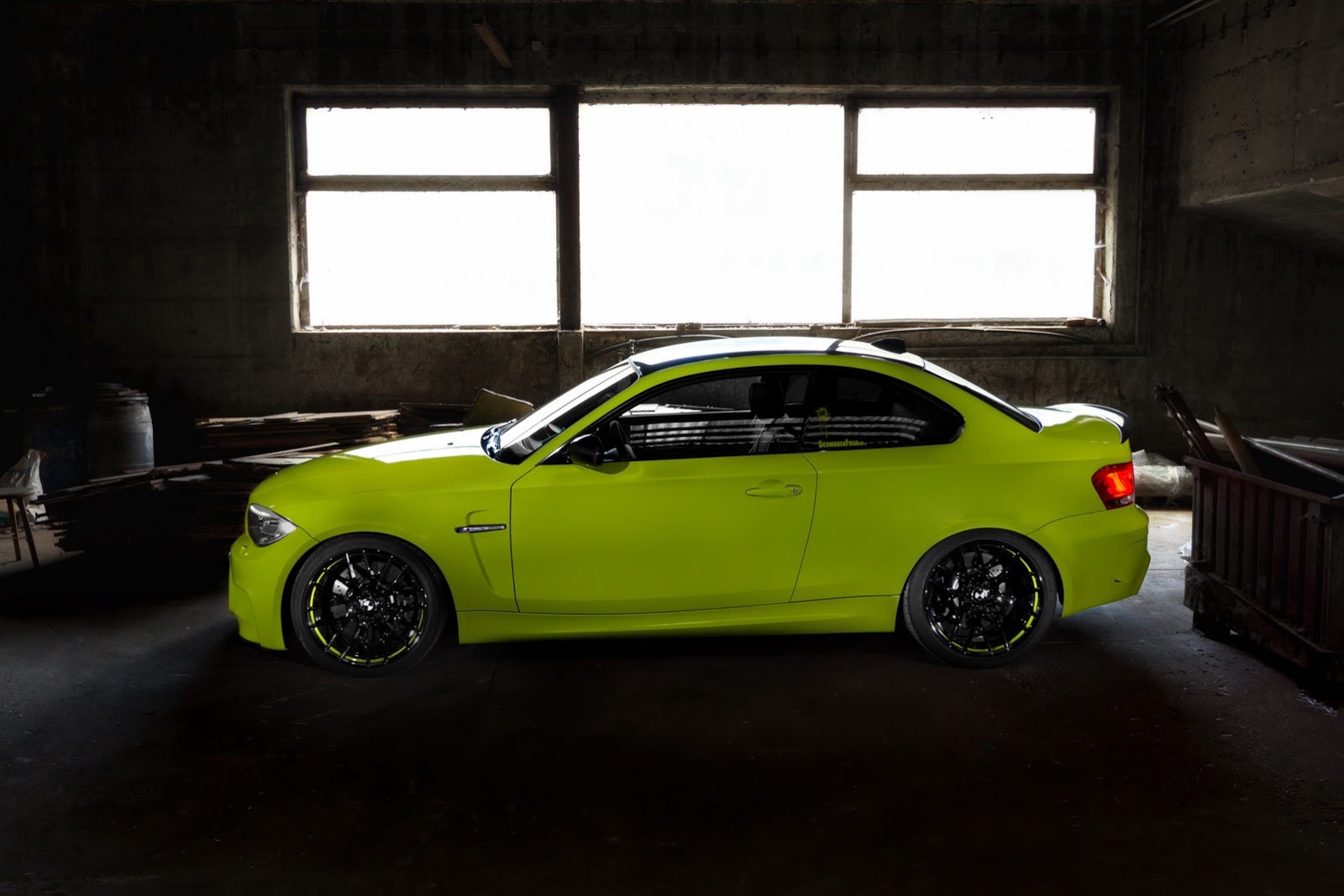
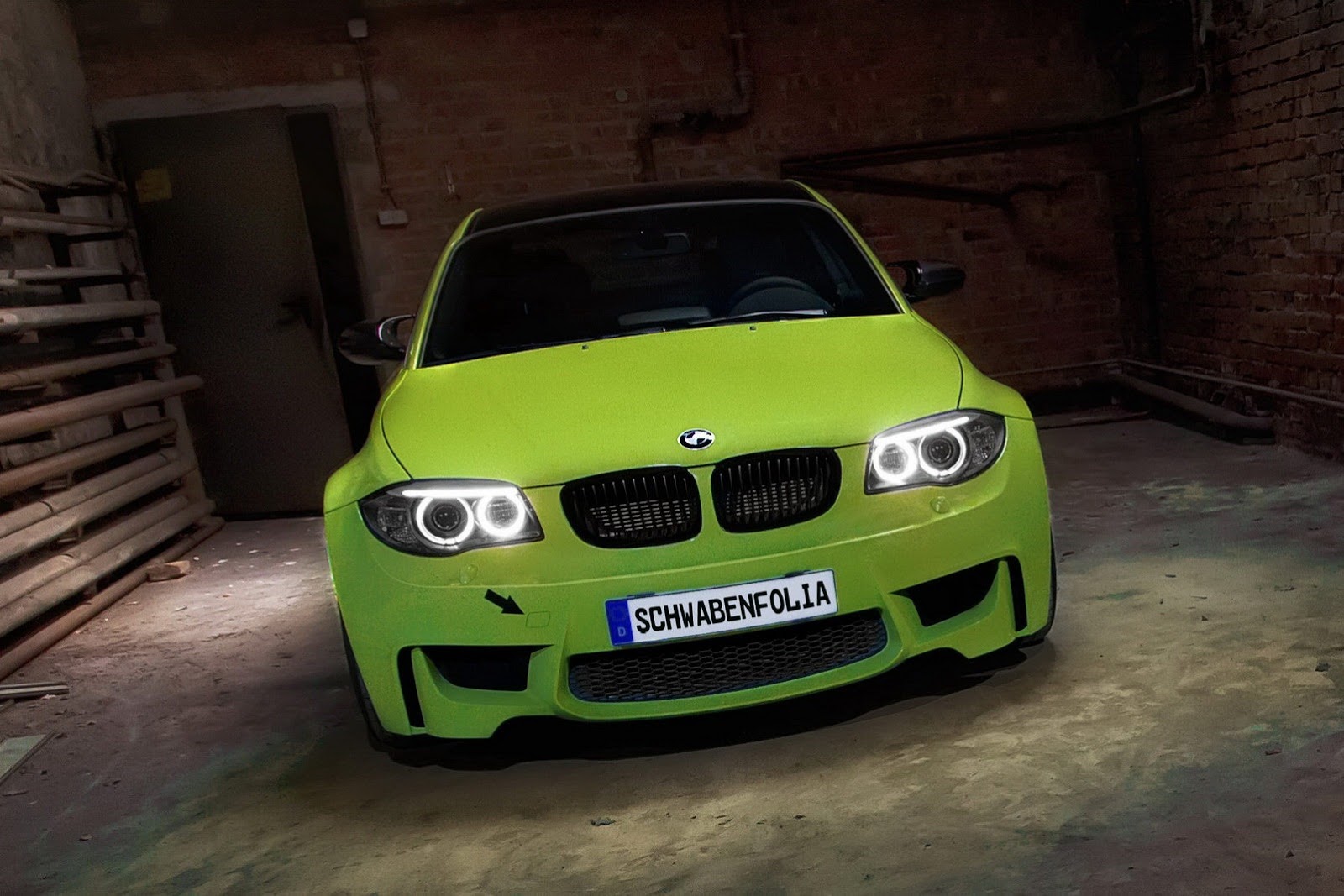
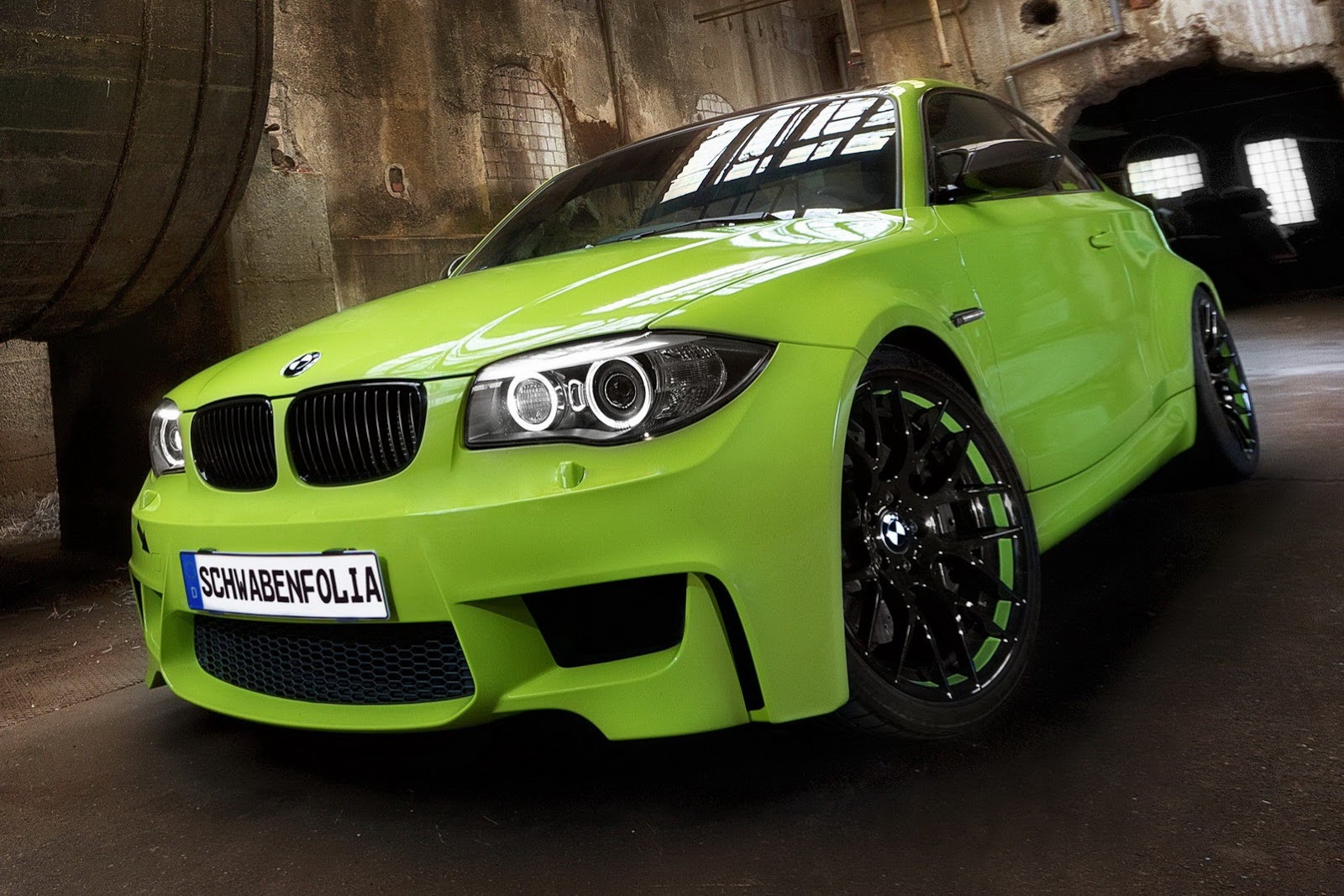
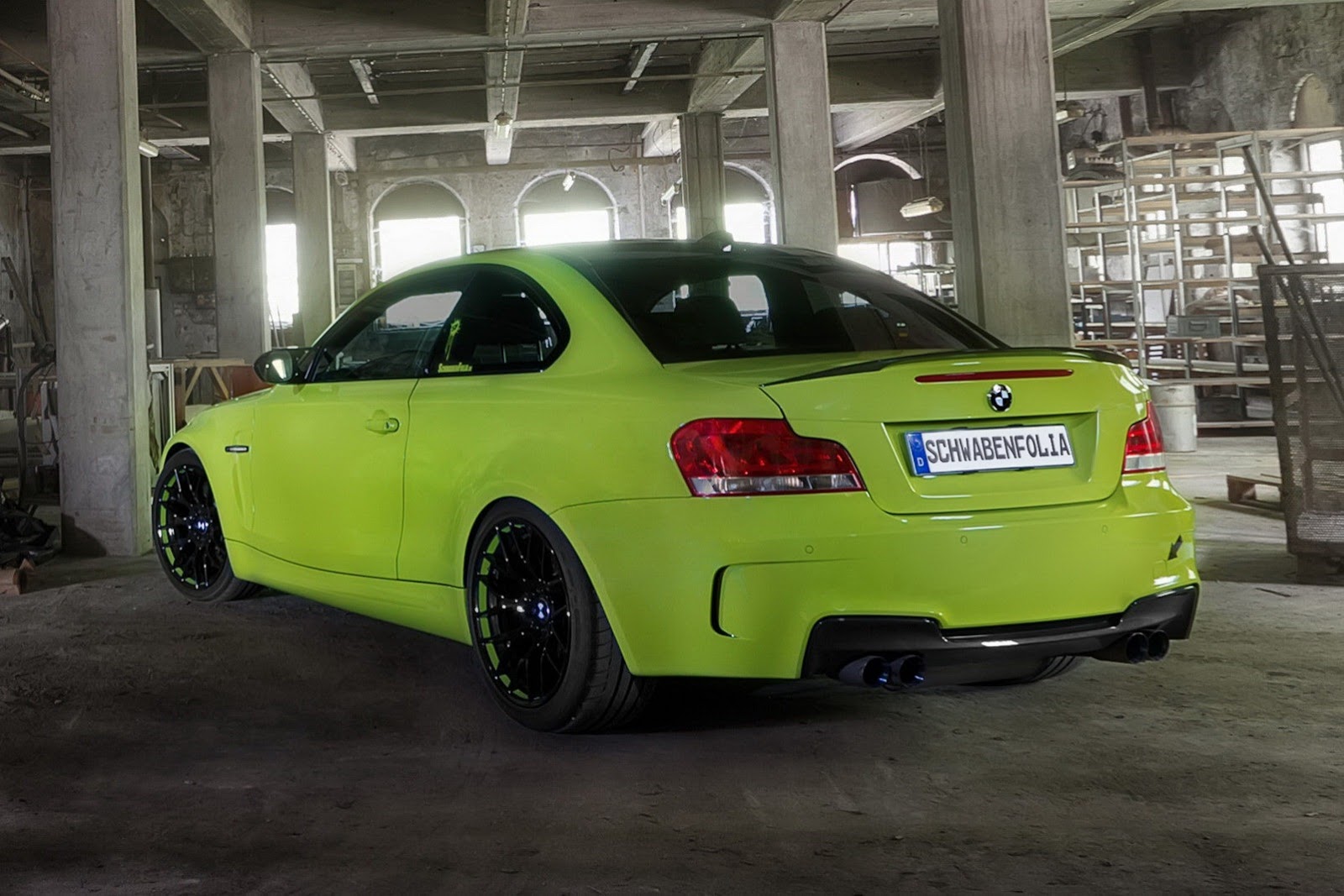
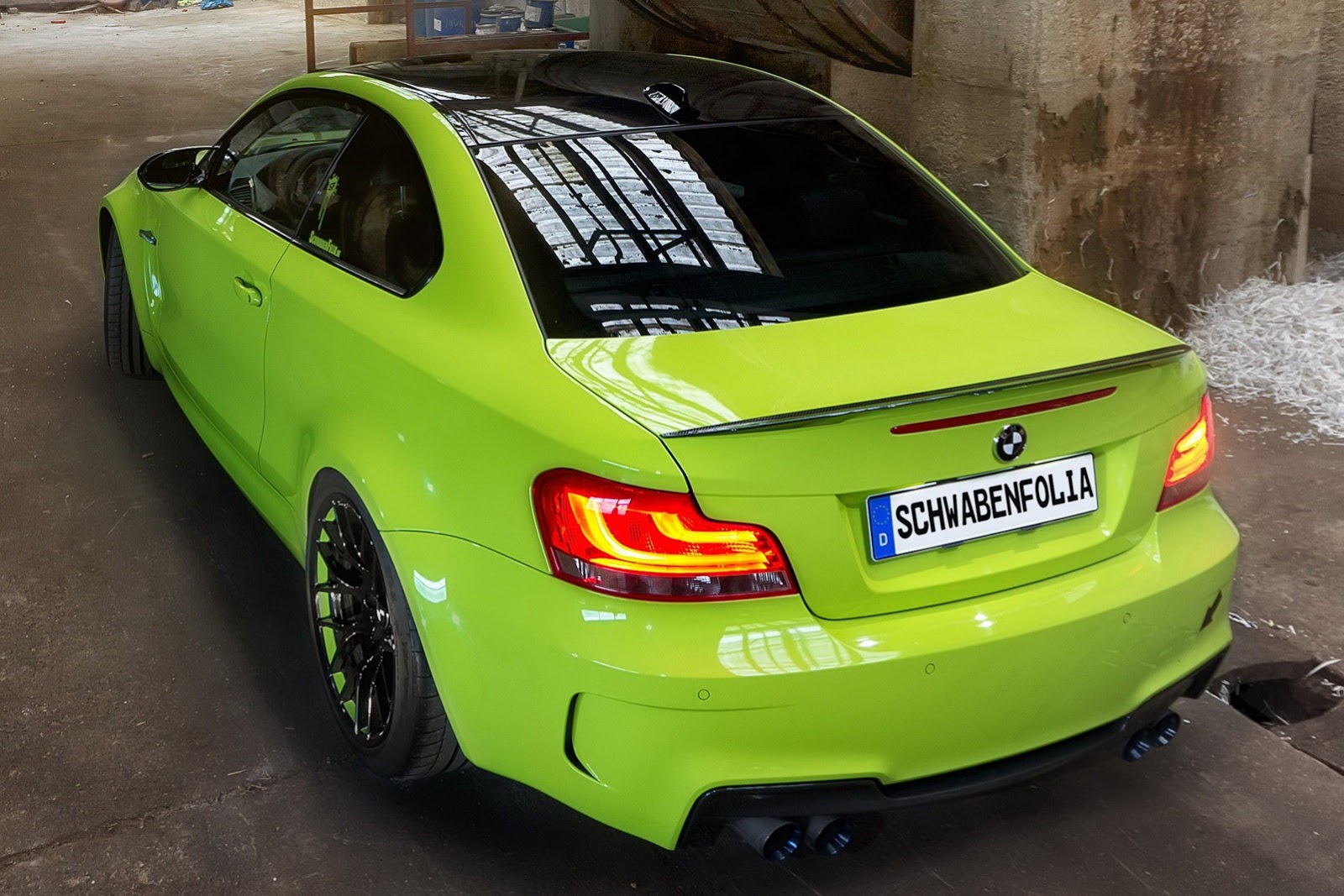
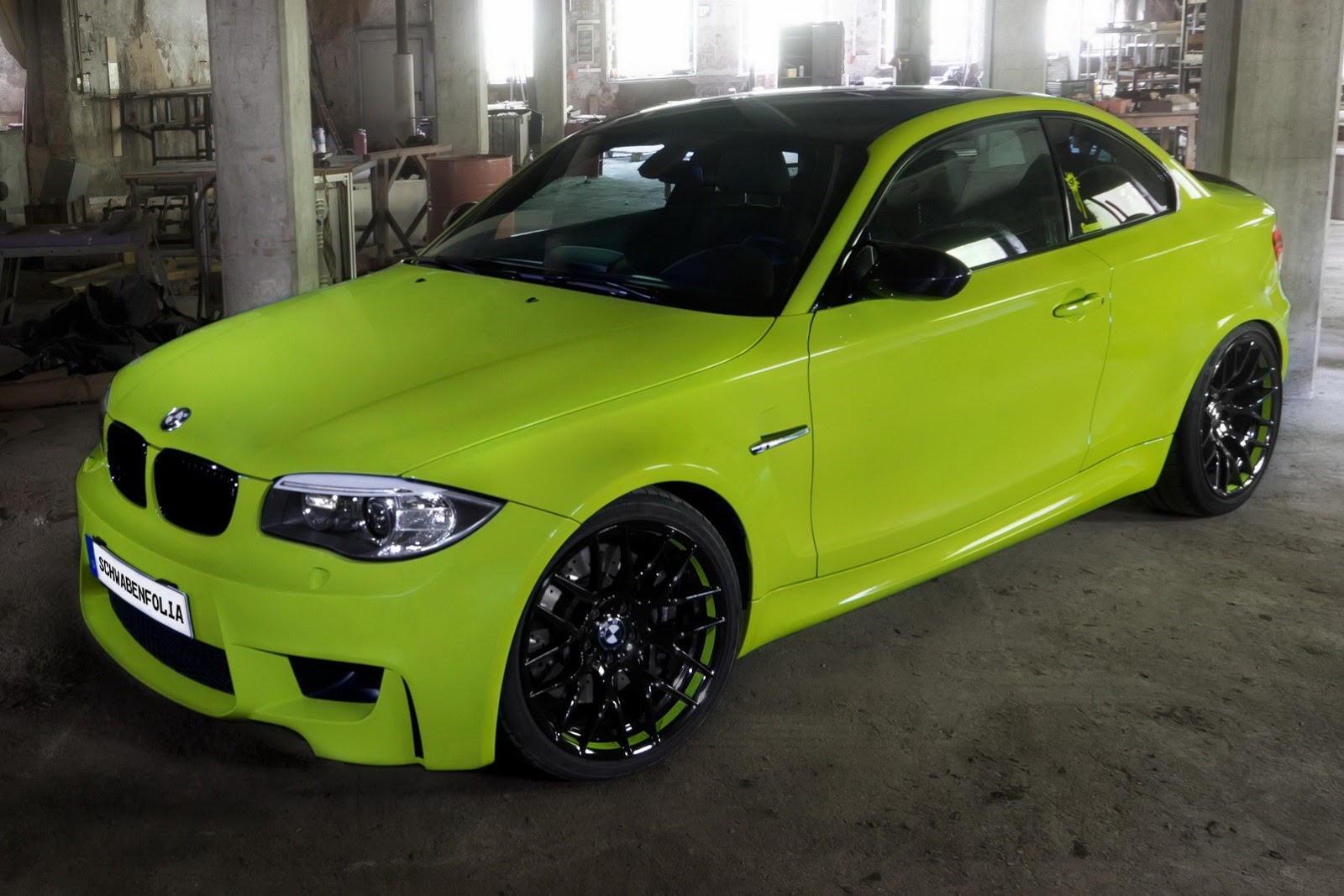
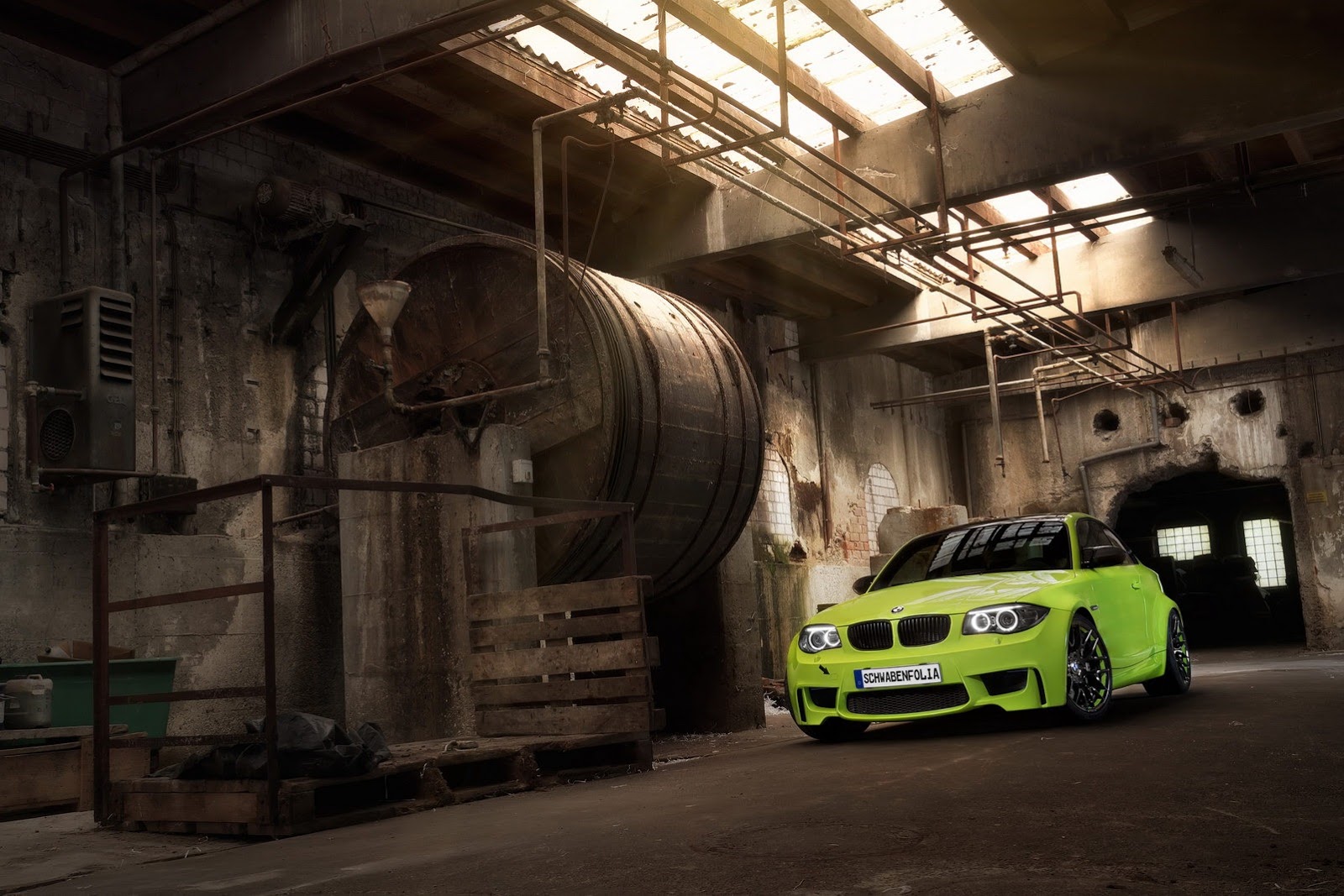
Schwabenfolia Squeezes Some Color on the BMW 1-Series M Coupe

Leave it to a German tuner with a tongue twister name like Schwabenfolia to go all lime green with a limited edition sports car like the BMW 1-Series M Coupe, of which a little over 6,300 units were produced during a ~1-year run.

But fear not, as Schwabenfolia didn't actually paint the Bavarian coupe, instead, it applied a lime green foil wrap, which is priced at €2,150 (US$2,850).

BMW 1M Coupe Schwabenfolia

The black foil wrap for the side indicators, double kidney grille, and roof along with the carbon-mirror mirrors will cost you extra, as will the black powder coated alloy wheels with lime green accents (€800 / US$1,100 for the latter).

Some additional extras offered by Schwabenfolia include front and rear wheel spacers (€99 and €109 respectively), a Bilstein sports suspension (€2,499 / US$3,300), a titanium exhaust system (€2,299 / US$3,000) and an engine kit that lifts output from 335hp (340PS) to 402hp (408PS) for €1,299 / US$1,700.

 
PHOTO GALLERY
BMW-1M-Coupe-Schwabenfolia-1BMW-1M-Coupe-Schwabenfolia-2BMW-1M-Coupe-Schwabenfolia-3BMW-1M-Coupe-Schwabenfolia-4BMW-1M-Coupe-Schwabenfolia-5BMW-1M-Coupe-Schwabenfolia-6BMW-1M-Coupe-Schwabenfolia-7BMW-1M-Coupe-Schwabenfolia-8BMW-1M-Coupe-Schwabenfolia-9BMW-1M-Coupe-Schwabenfolia-10BMW-1M-Coupe-Schwabenfolia-11BMW-1M-Coupe-Schwabenfolia-12BMW-1M-Coupe-Schwabenfolia-13

Wednesday, December 19, 2012

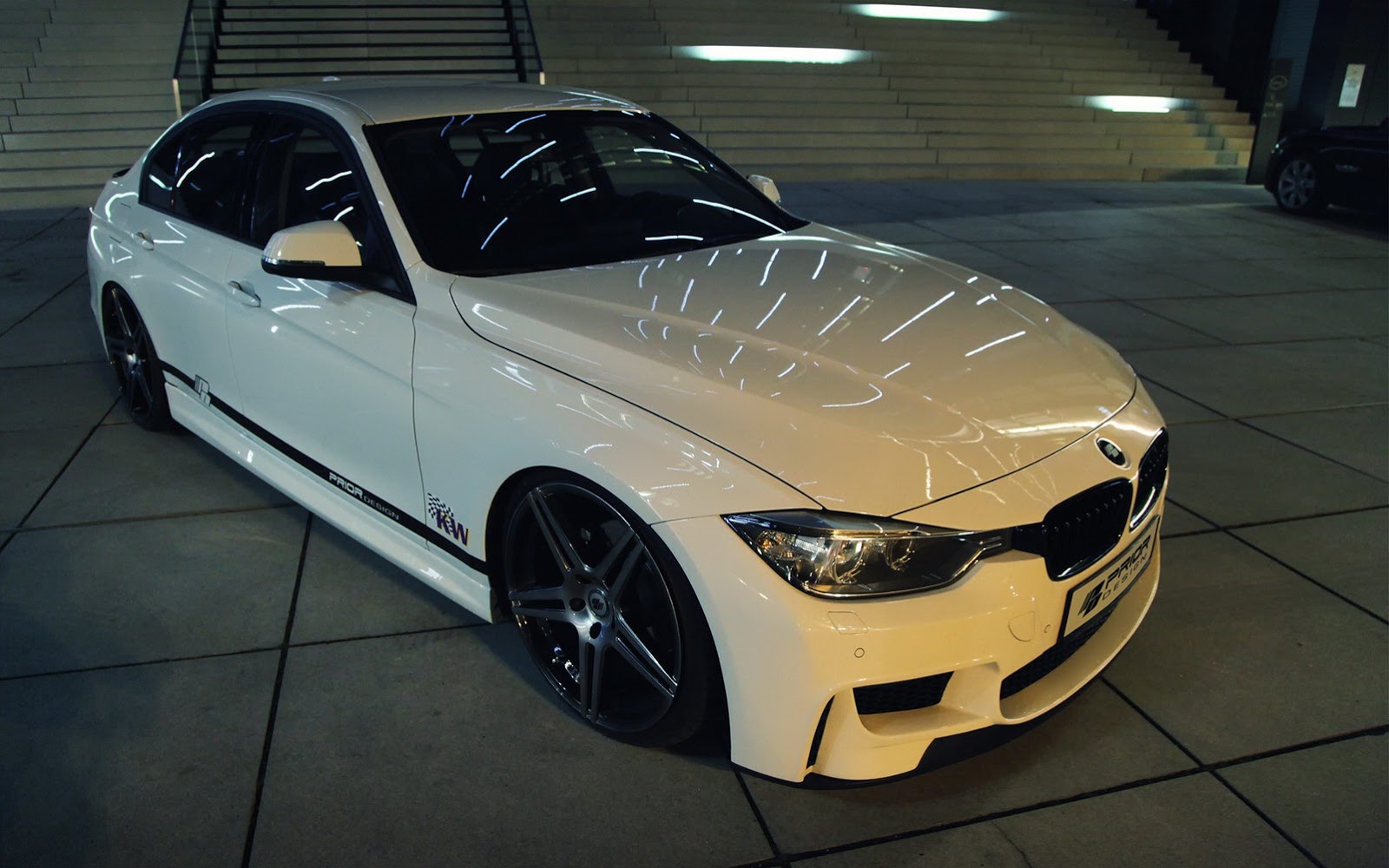
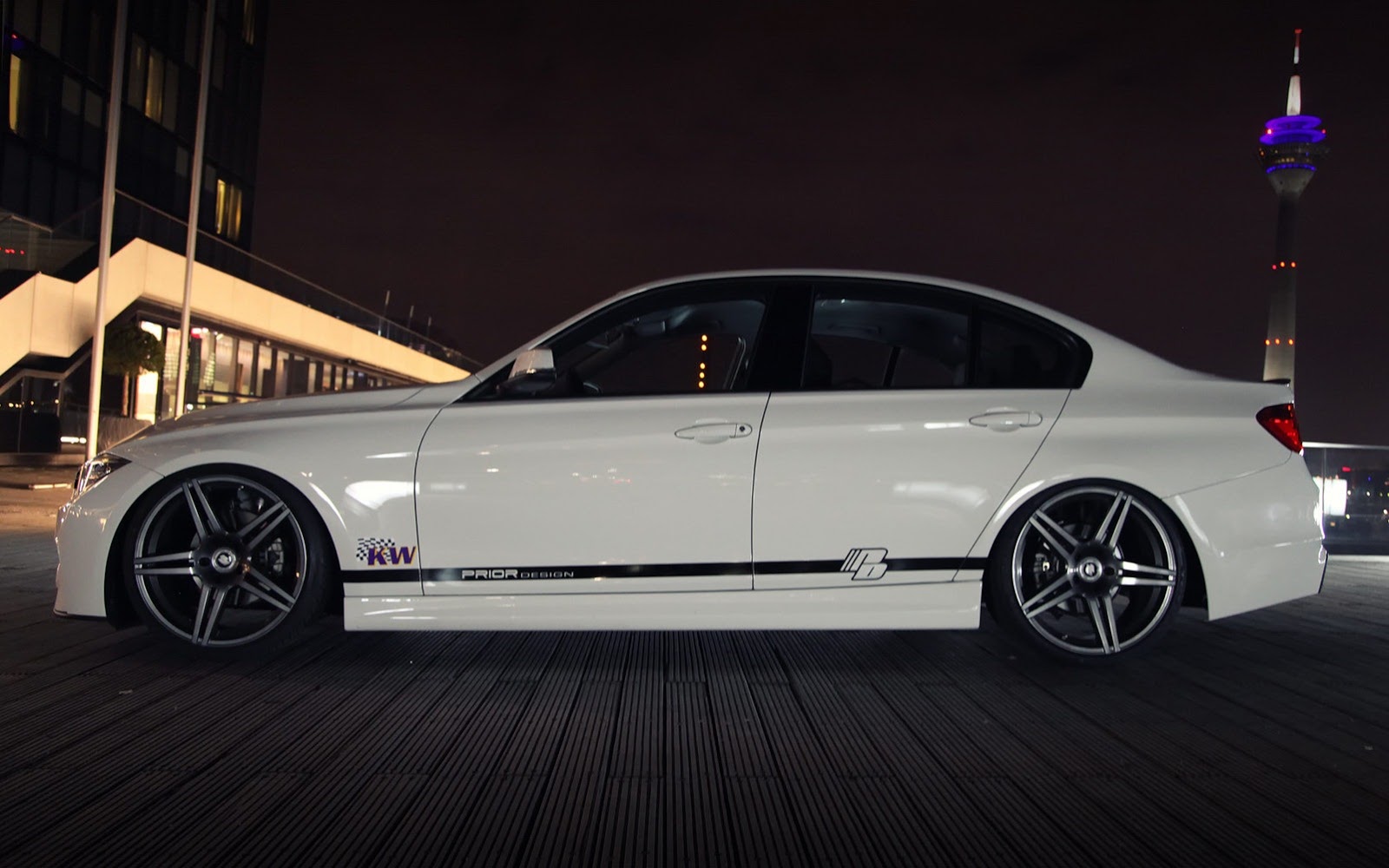
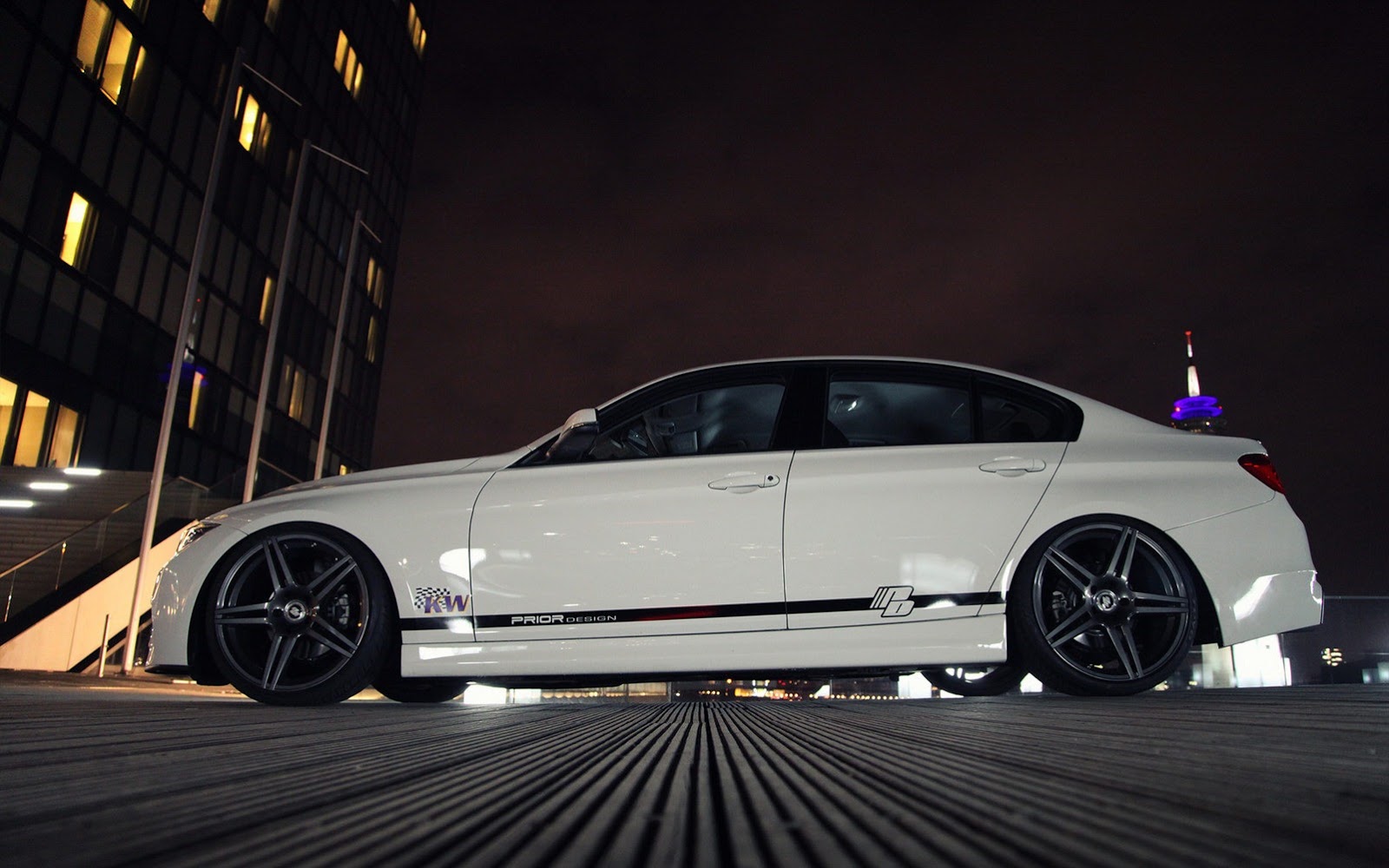
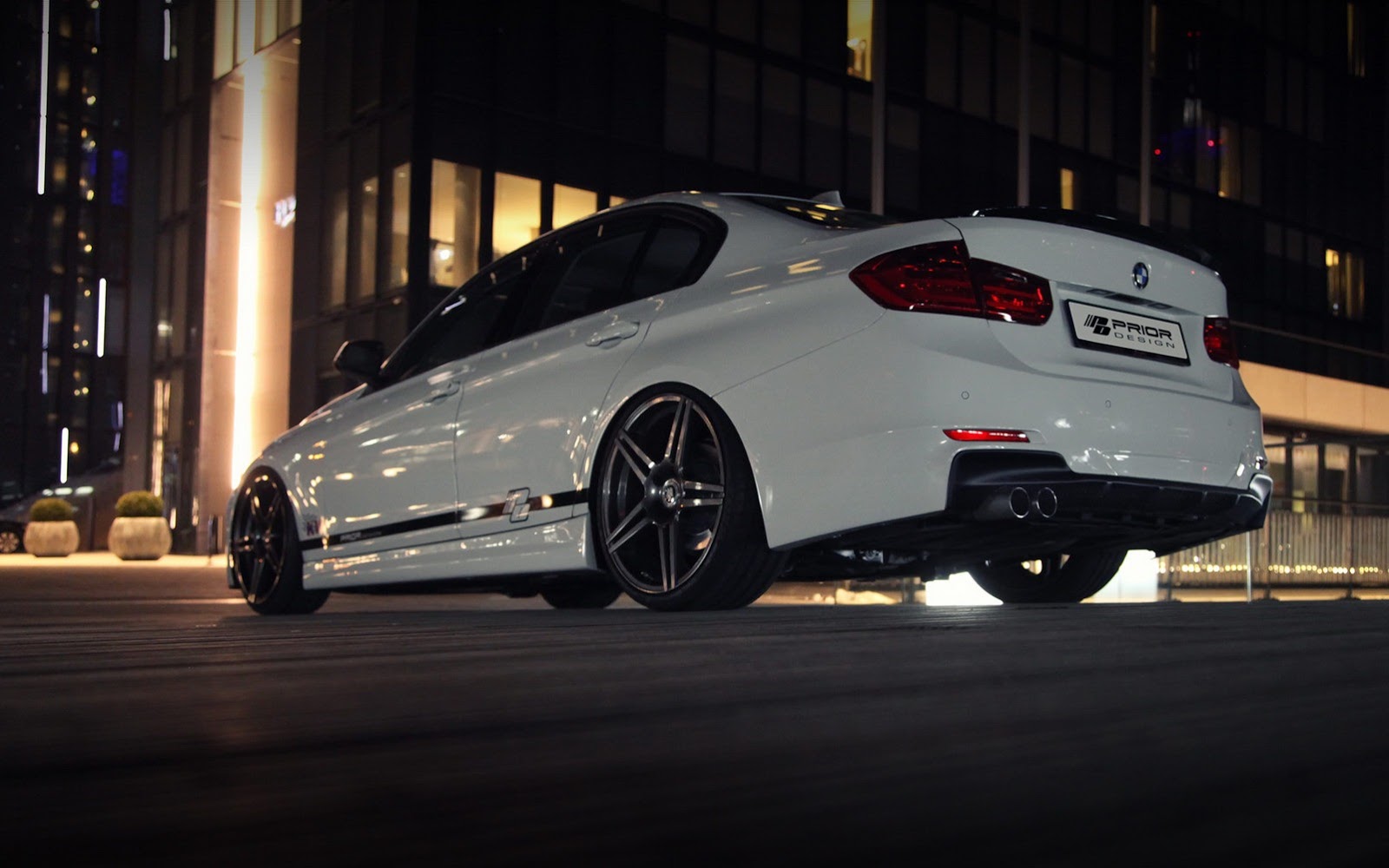
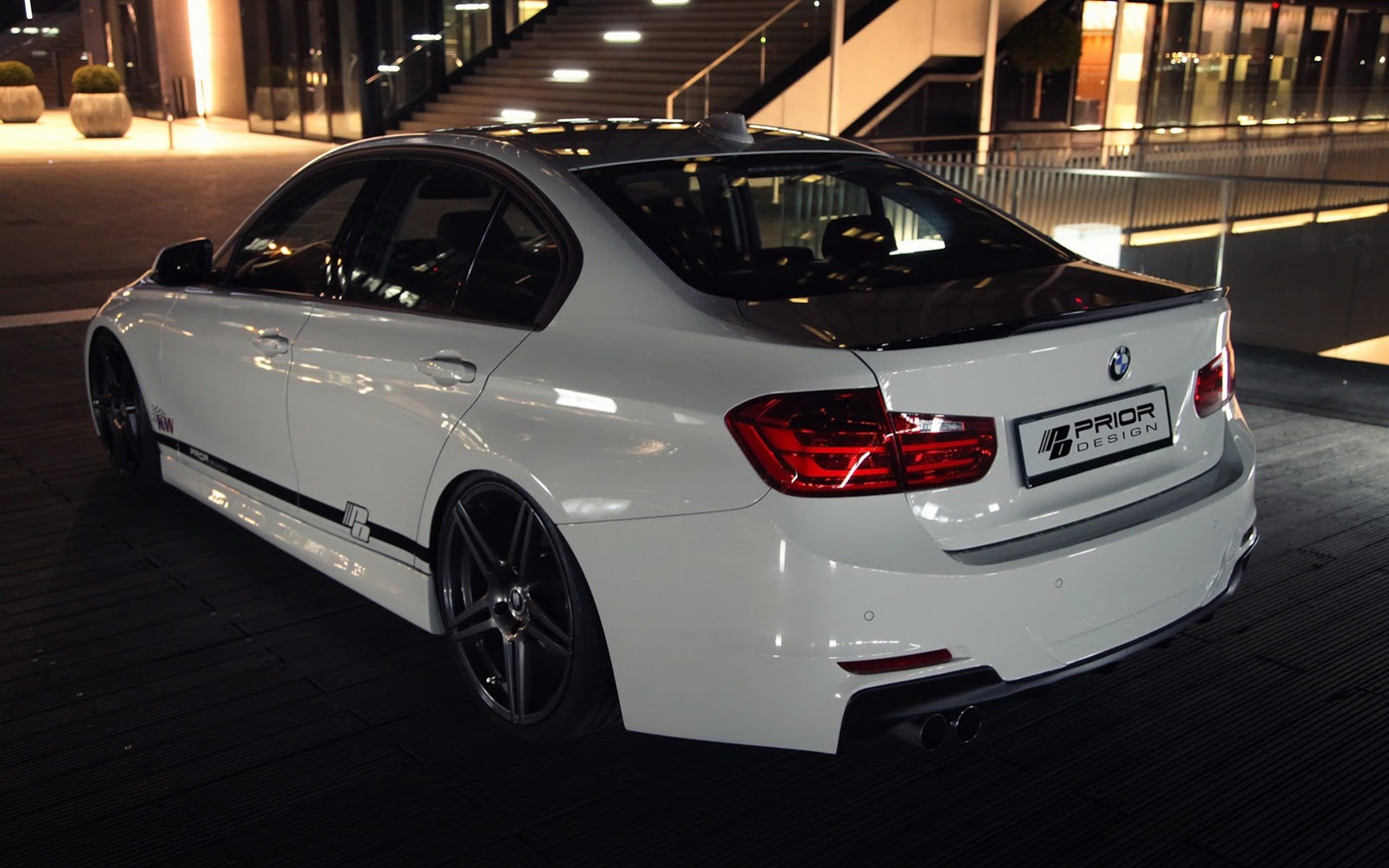
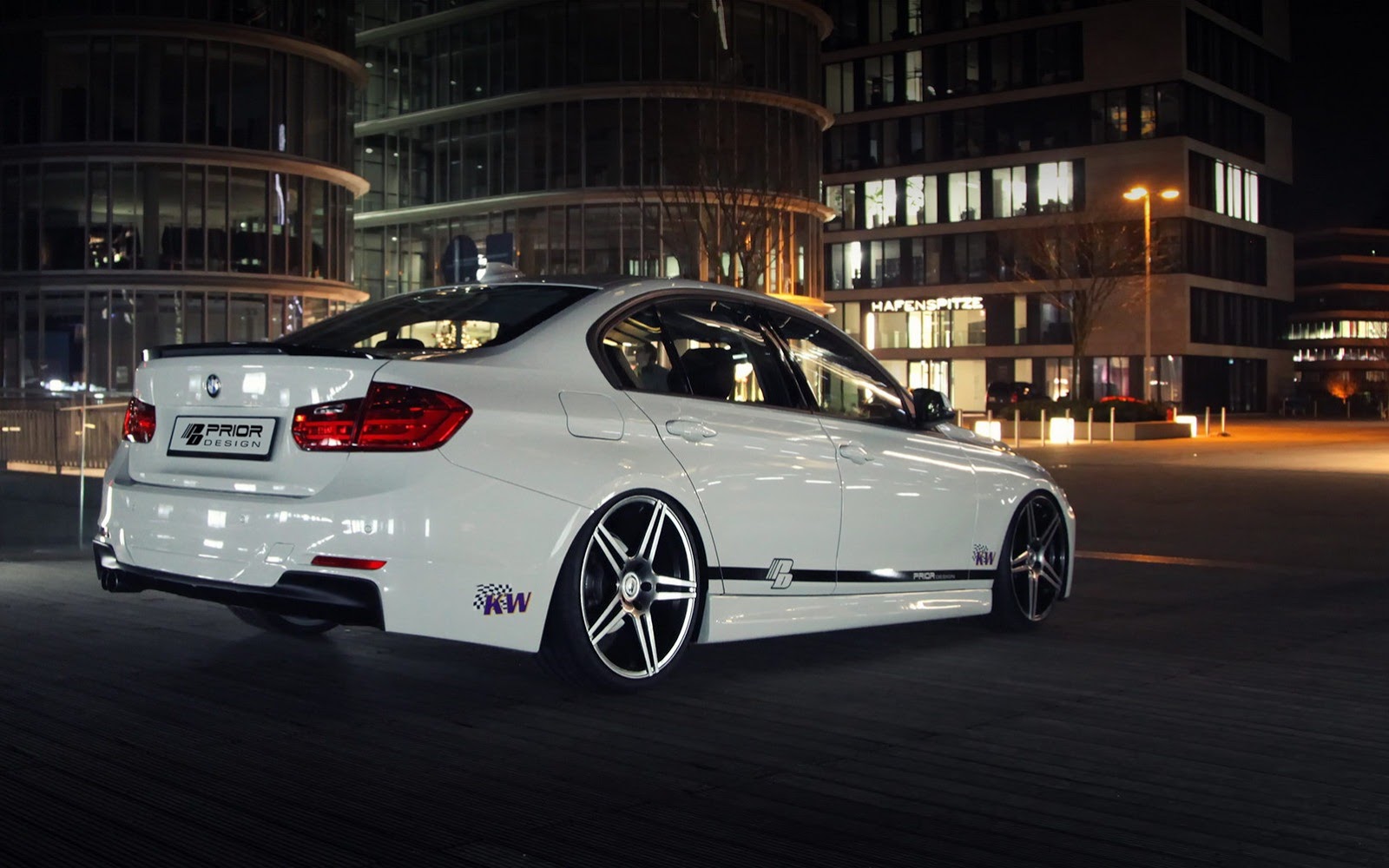
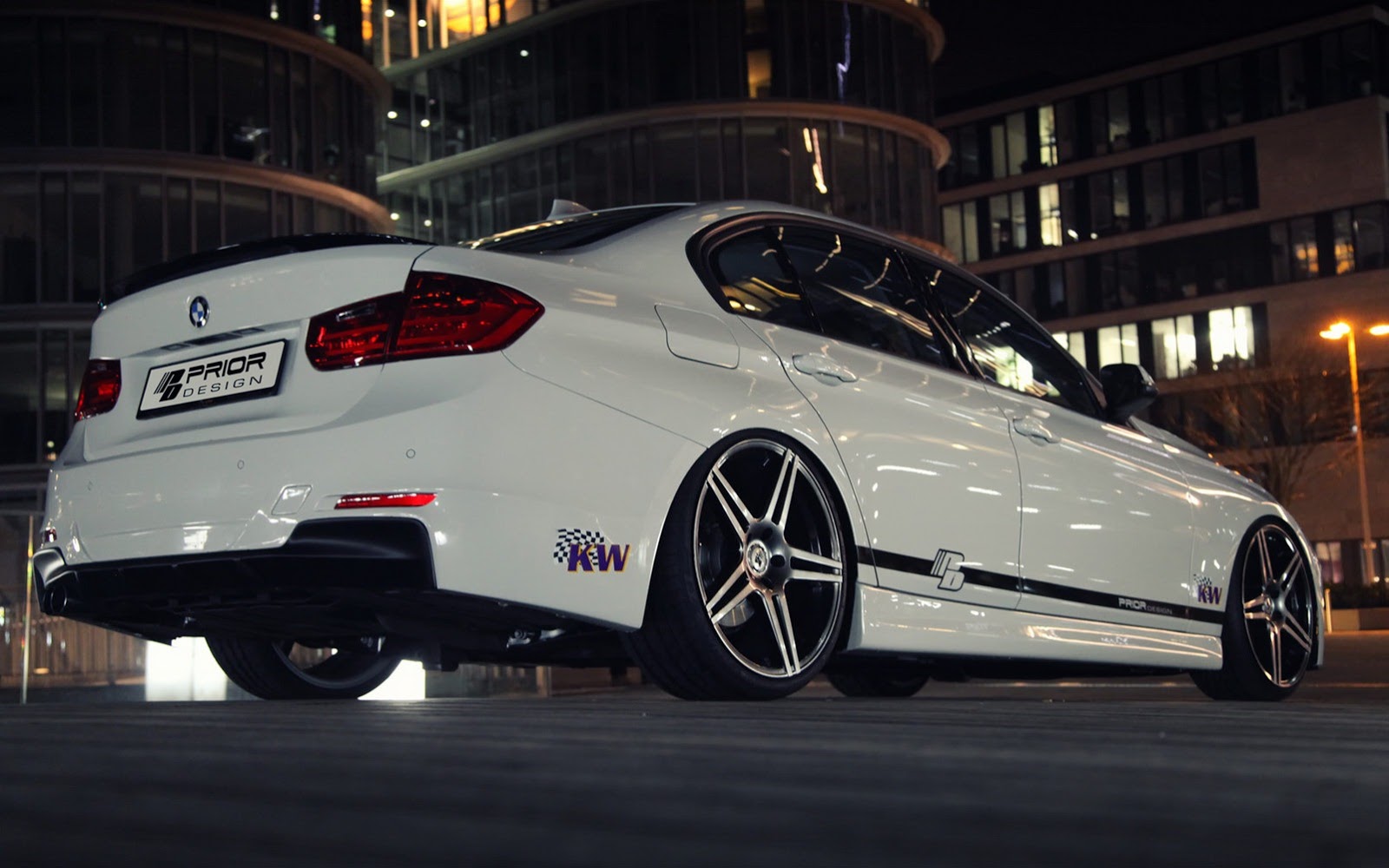
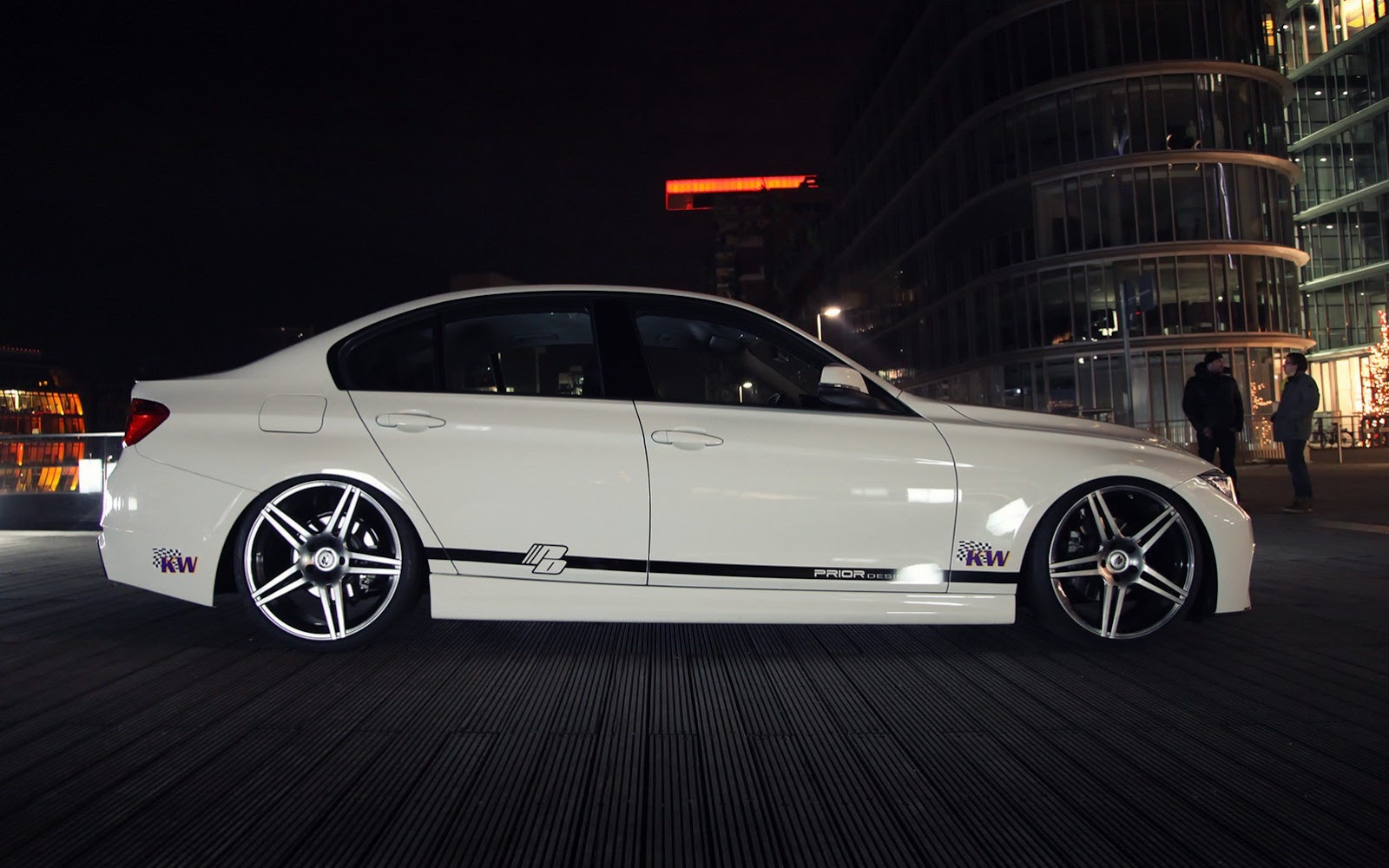
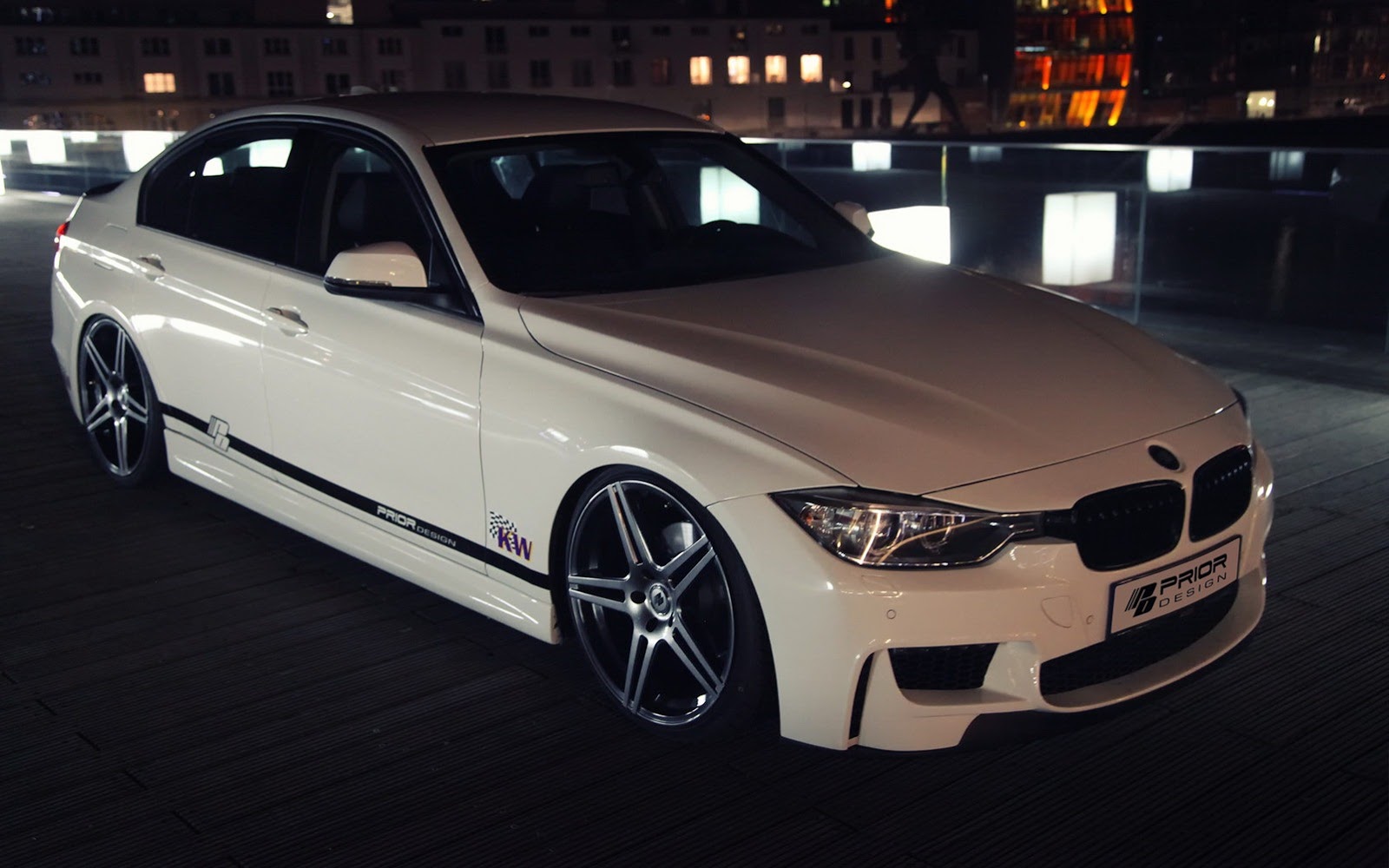
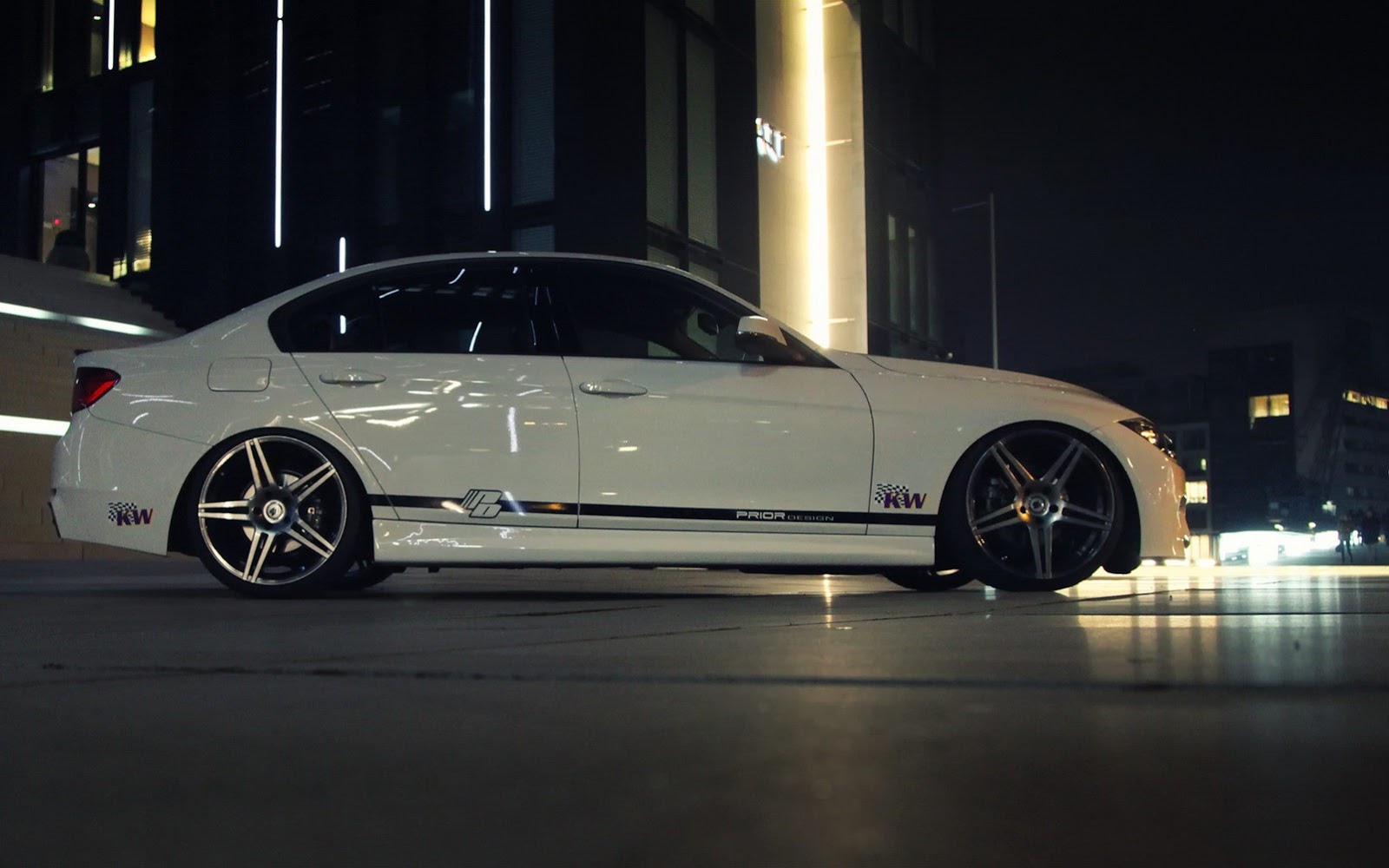
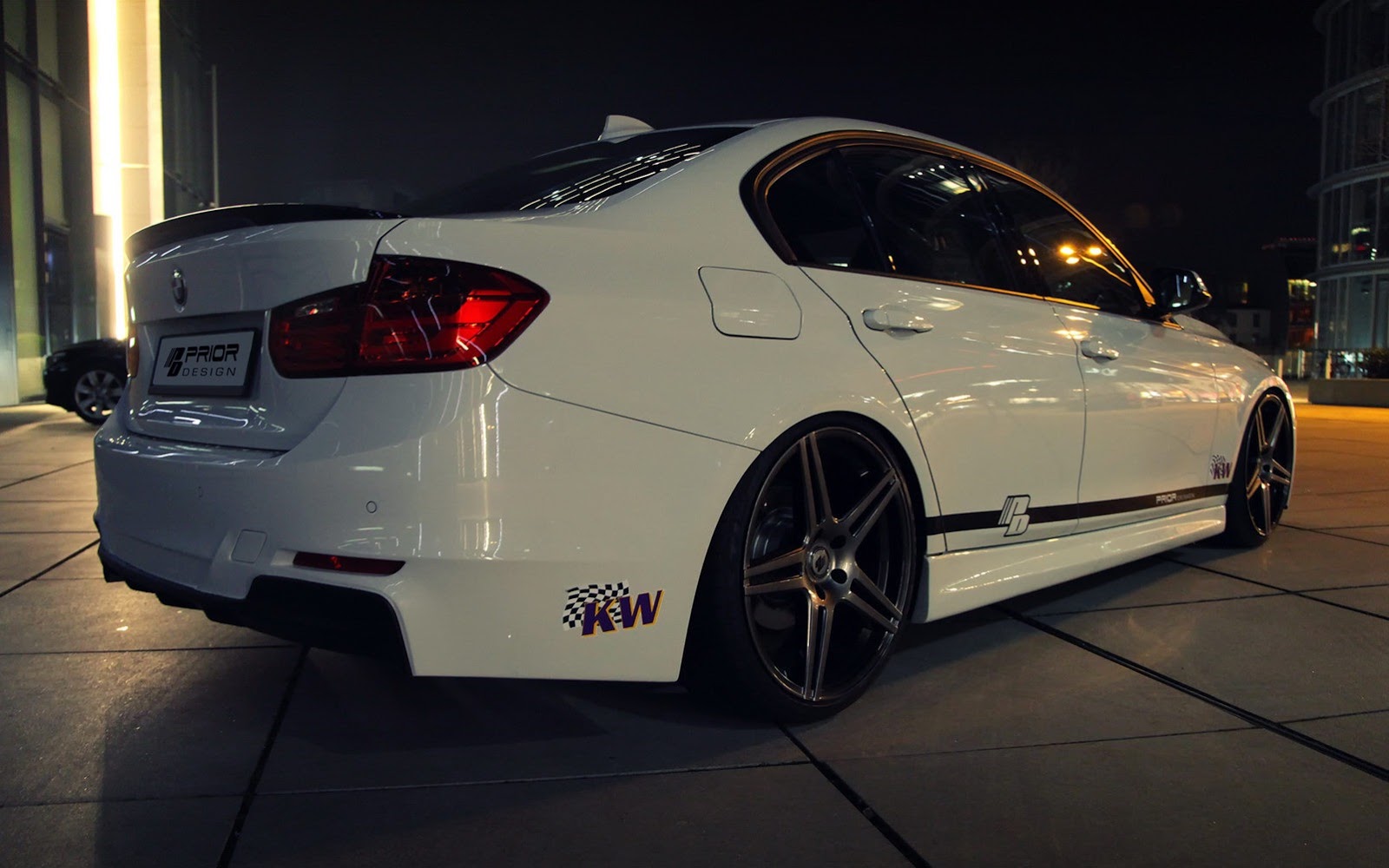
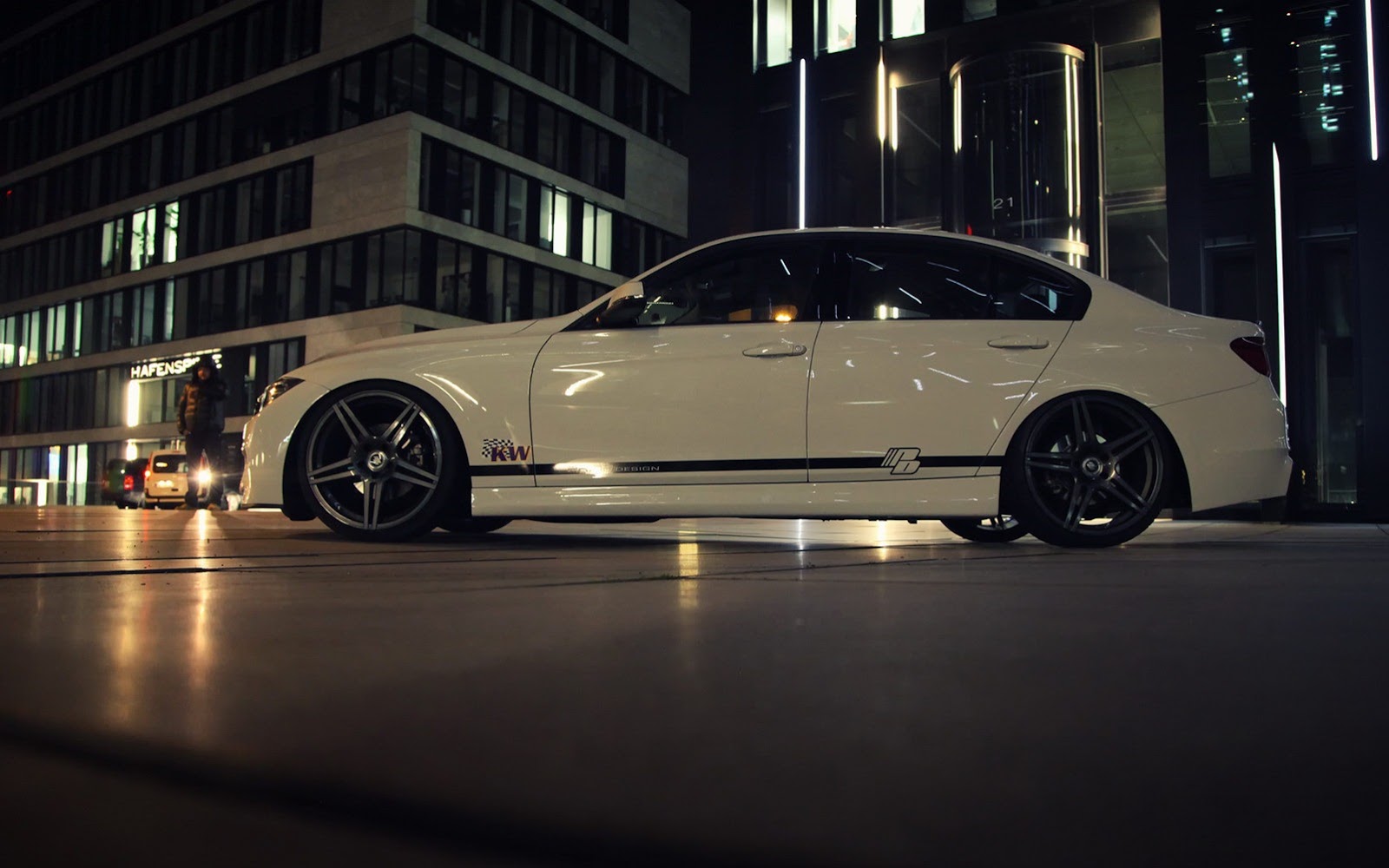
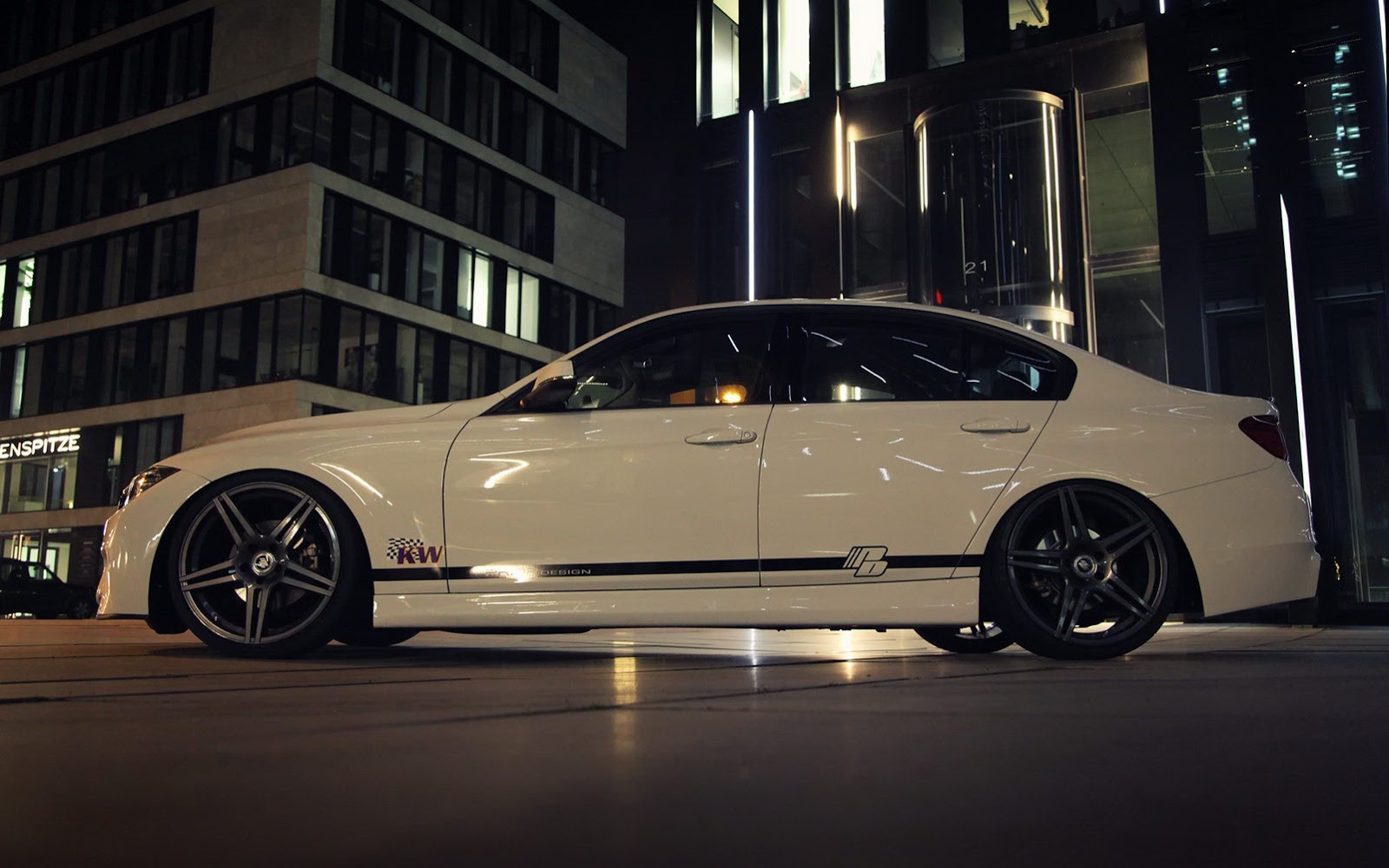
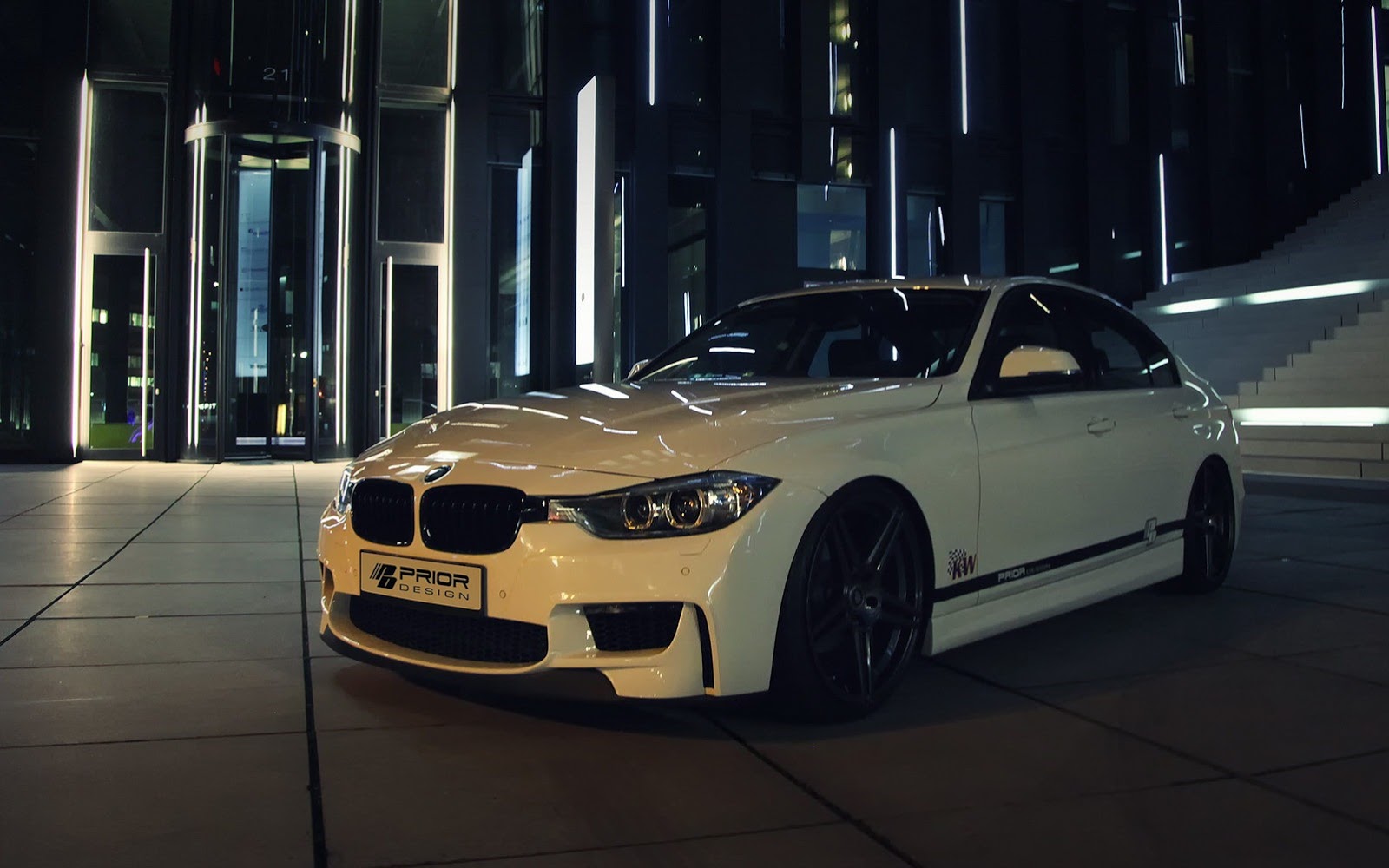
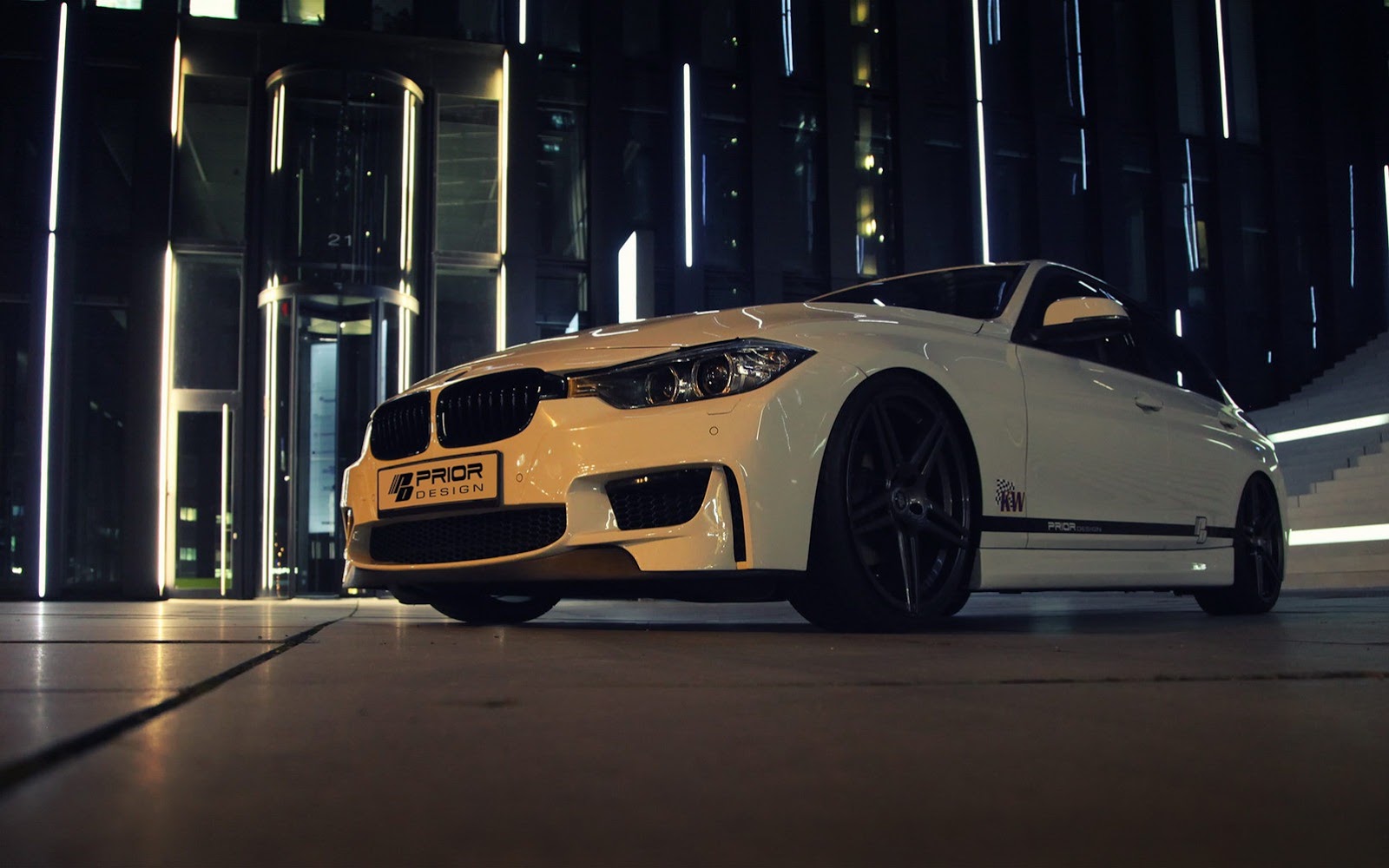
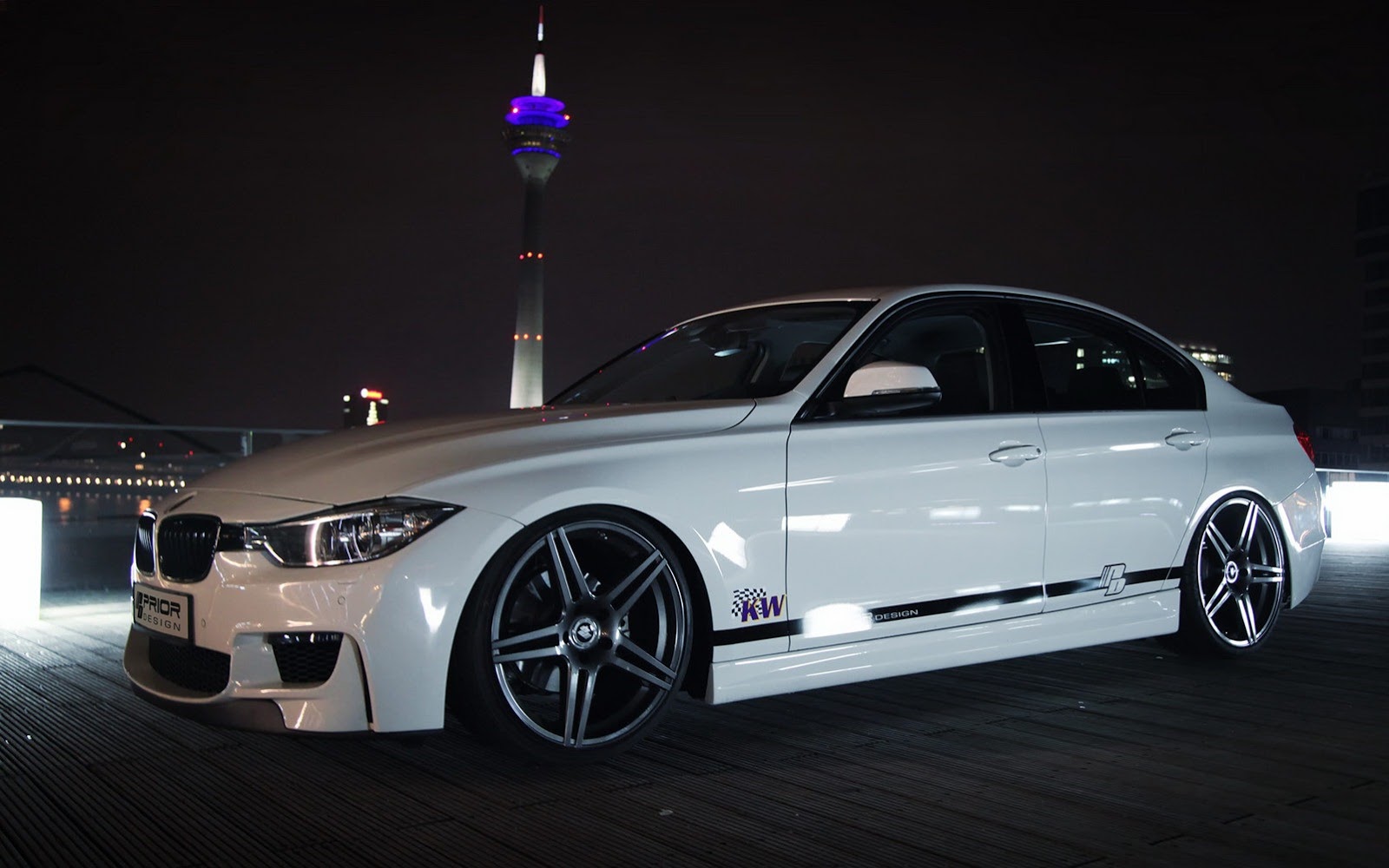
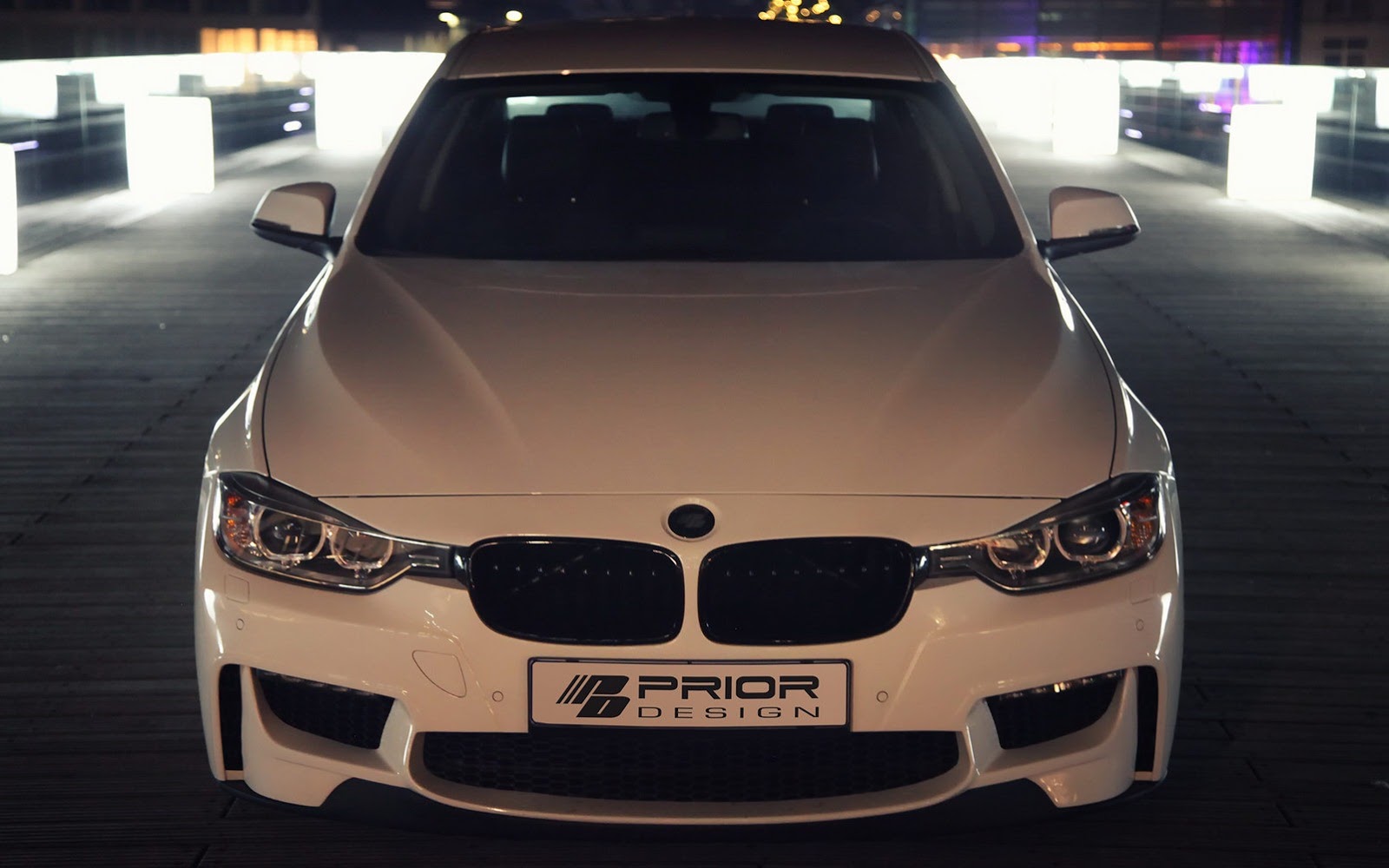
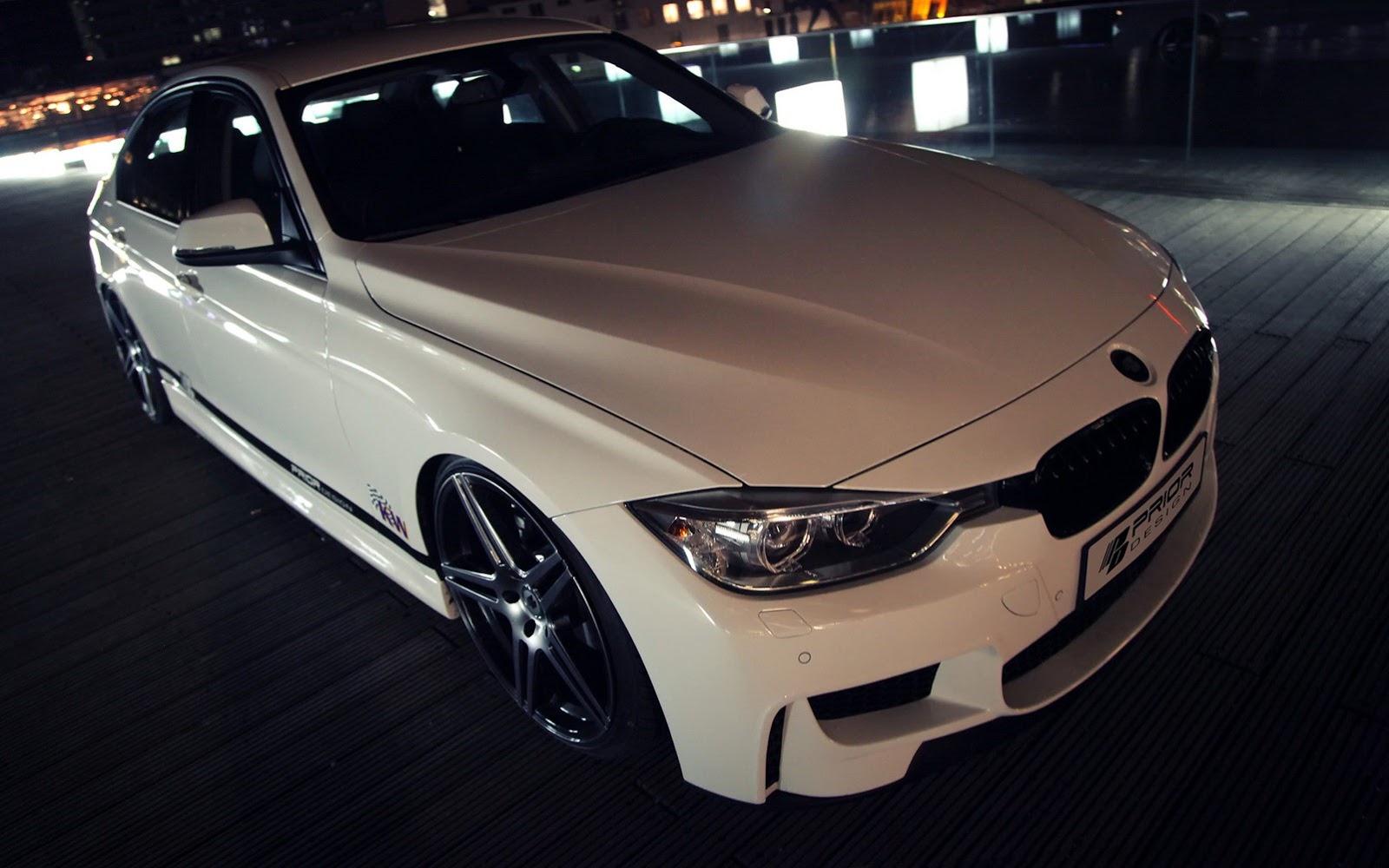
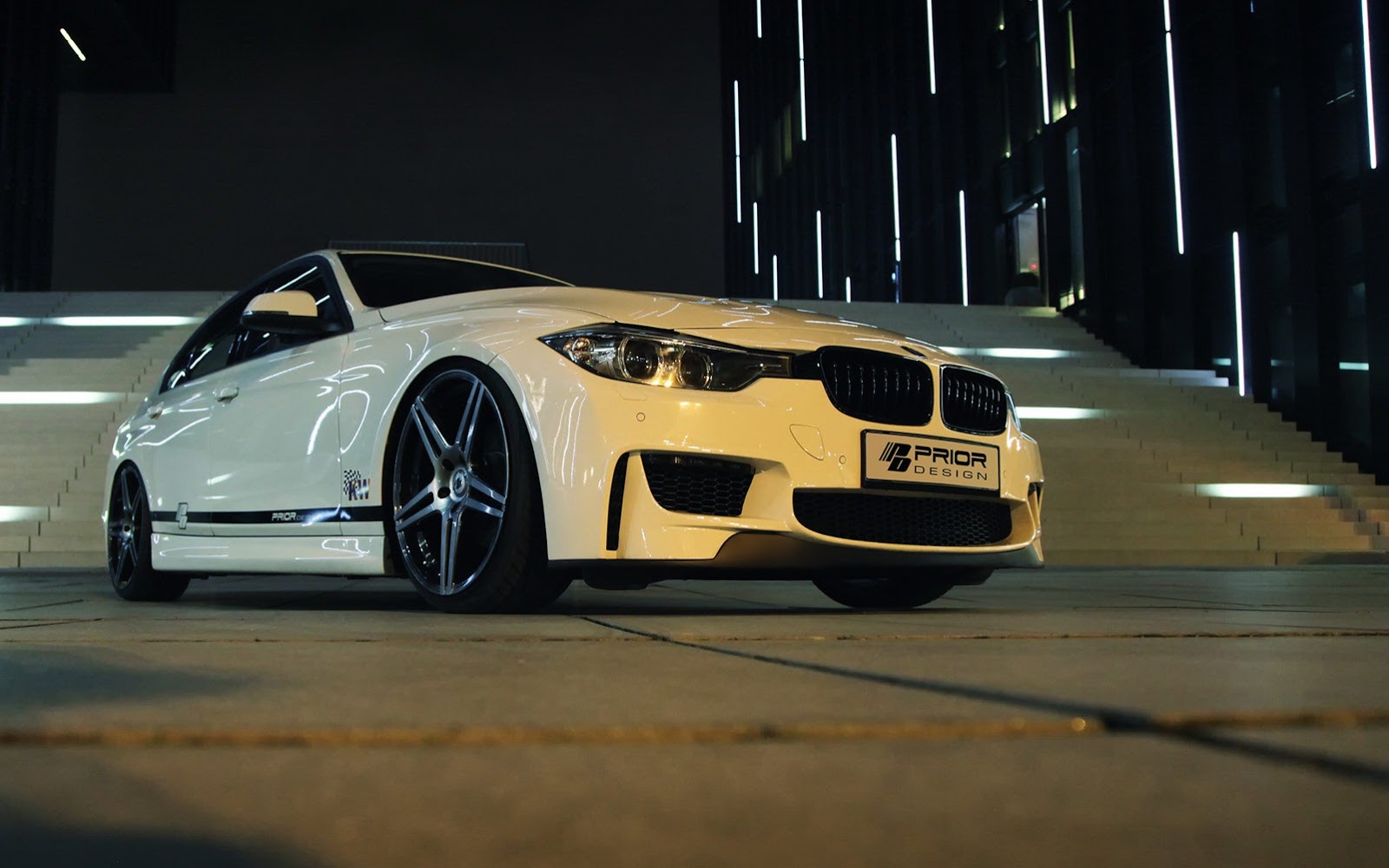
Prior Design Launches New Aero Package for BMW 3-Series F30

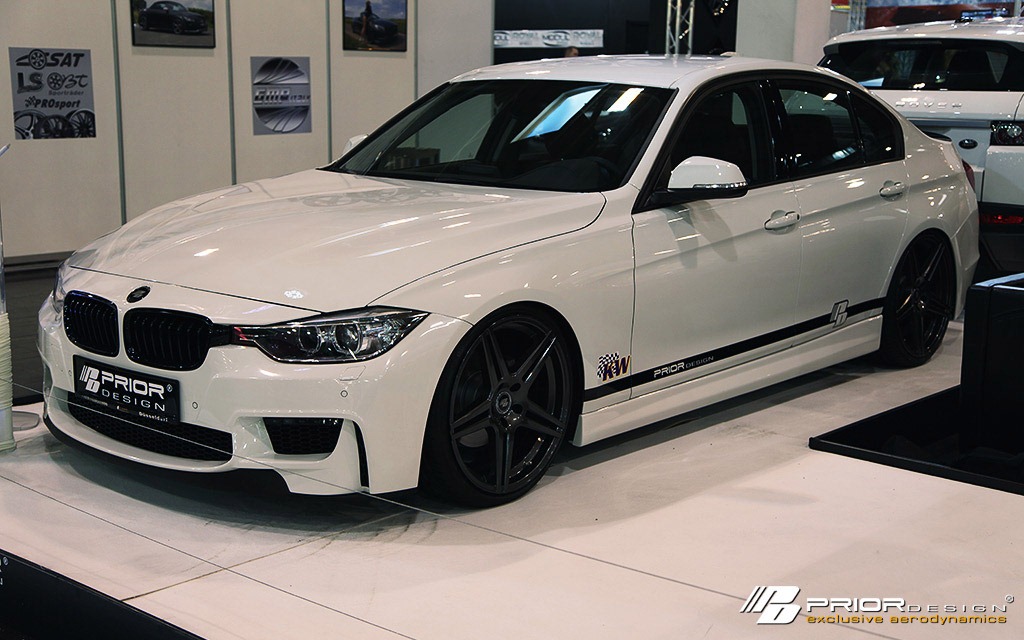
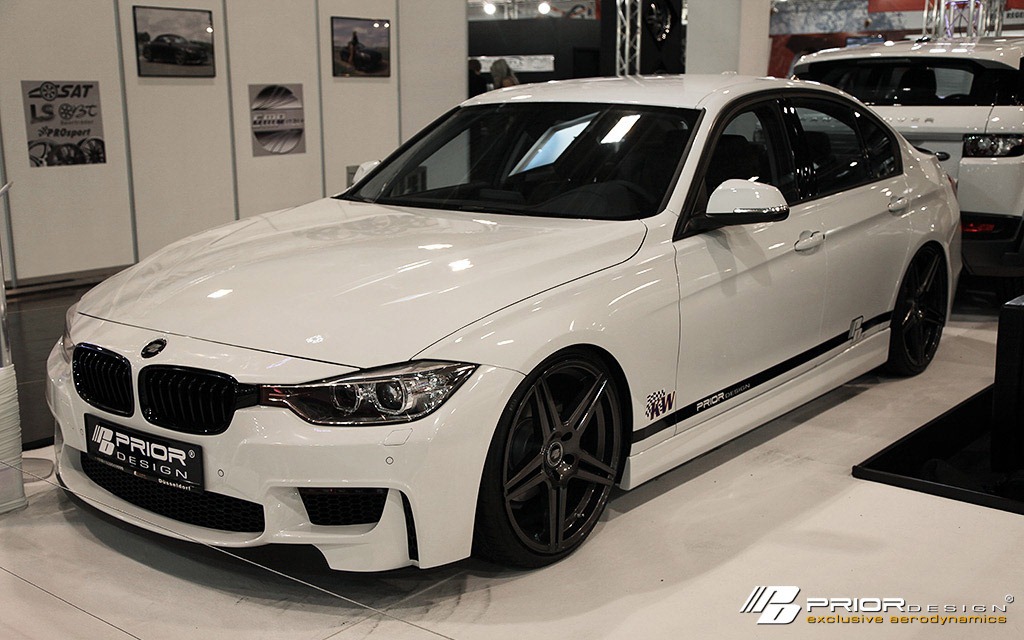
If for whatever reason you brought a new BMW 3-Series F30 sedan without ticking the M Sport package box on the options list and at the same time, are not interested in the Bavarian carmaker's aftermarket M Performance parts, Prior Design has come out with an assortment of aero components that may interest you.

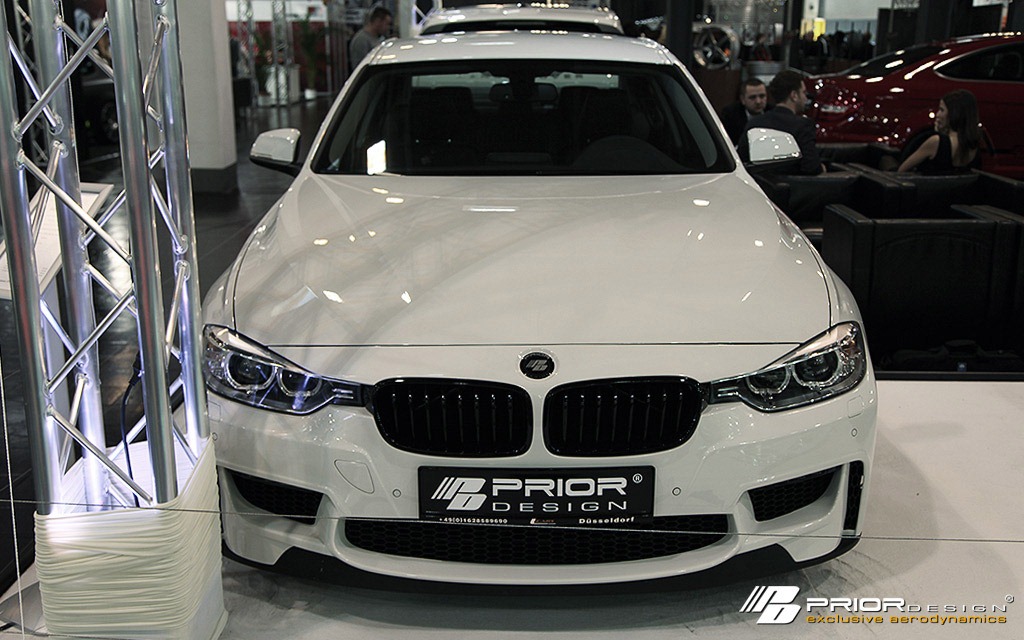
Prior Design BMW F30

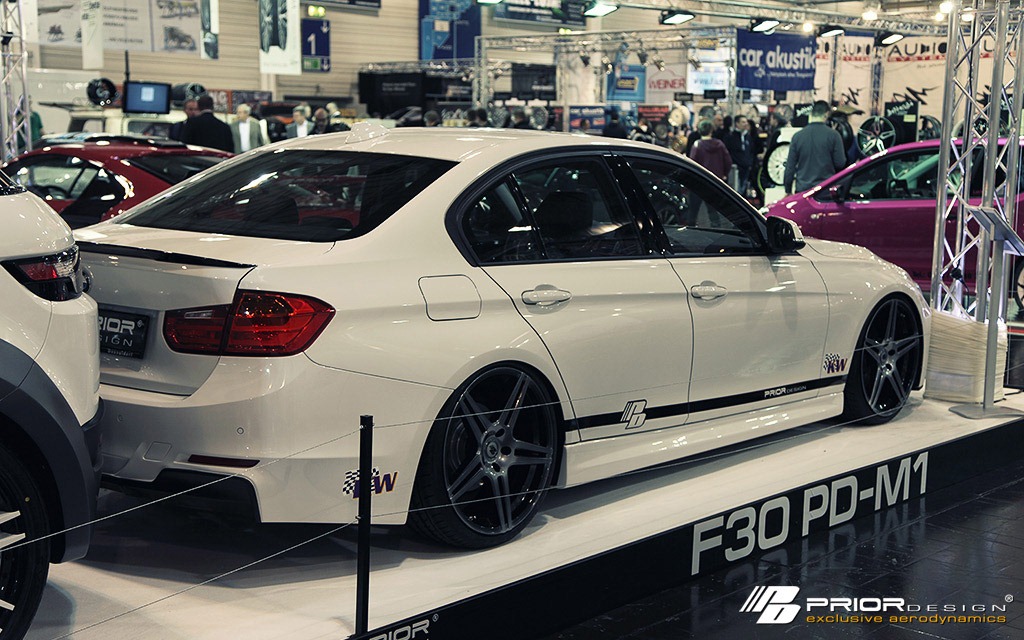
The custom body kit consists of a new and very M-like front bumper with a matte black lip spoiler, a pair of rocker panels, a new rear bumper with an integrated diffuser finished in matte black, and a trunk lid spoiler, again in black.

The parts can be ordered as a package at a price of €1,956 (about US$2,600) in Germany or separately.

As you can see in Prior Design's photo gallery, the F30 display model also sports a lowered KW suspension and a new set of alloy wheels in a dark titanium finish, pricing for which was not announced.

 
PHOTO GALLERY
Prior-Design-BMW-F30-1Prior-Design-BMW-F30-2Prior-Design-BMW-F30-3Prior-Design-BMW-F30-4Prior-Design-BMW-F30-5Prior-Design-BMW-F30-6Prior-Design-BMW-F30-7Prior-Design-BMW-F30-8Prior-Design-BMW-F30-9Prior-Design-BMW-F30-10Prior-Design-BMW-F30-11Prior-Design-BMW-F30-12Prior-Design-BMW-F30-13Prior-Design-BMW-F30-14Prior-Design-BMW-F30-15Prior-Design-BMW-F30-16Prior-Design-BMW-F30-17Prior-Design-BMW-F30-18Prior-Design-BMW-F30-19Prior-Design-BMW-F30-20Prior-Design-BMW-F30-21Prior-Design-BMW-F30-22Prior-Design-BMW-F30-23Prior-Design-BMW-F30-24

Monday, December 17, 2012

BMW Releases Second Wave of M Performance Parts for 3- and 5-Series Sedans in the US

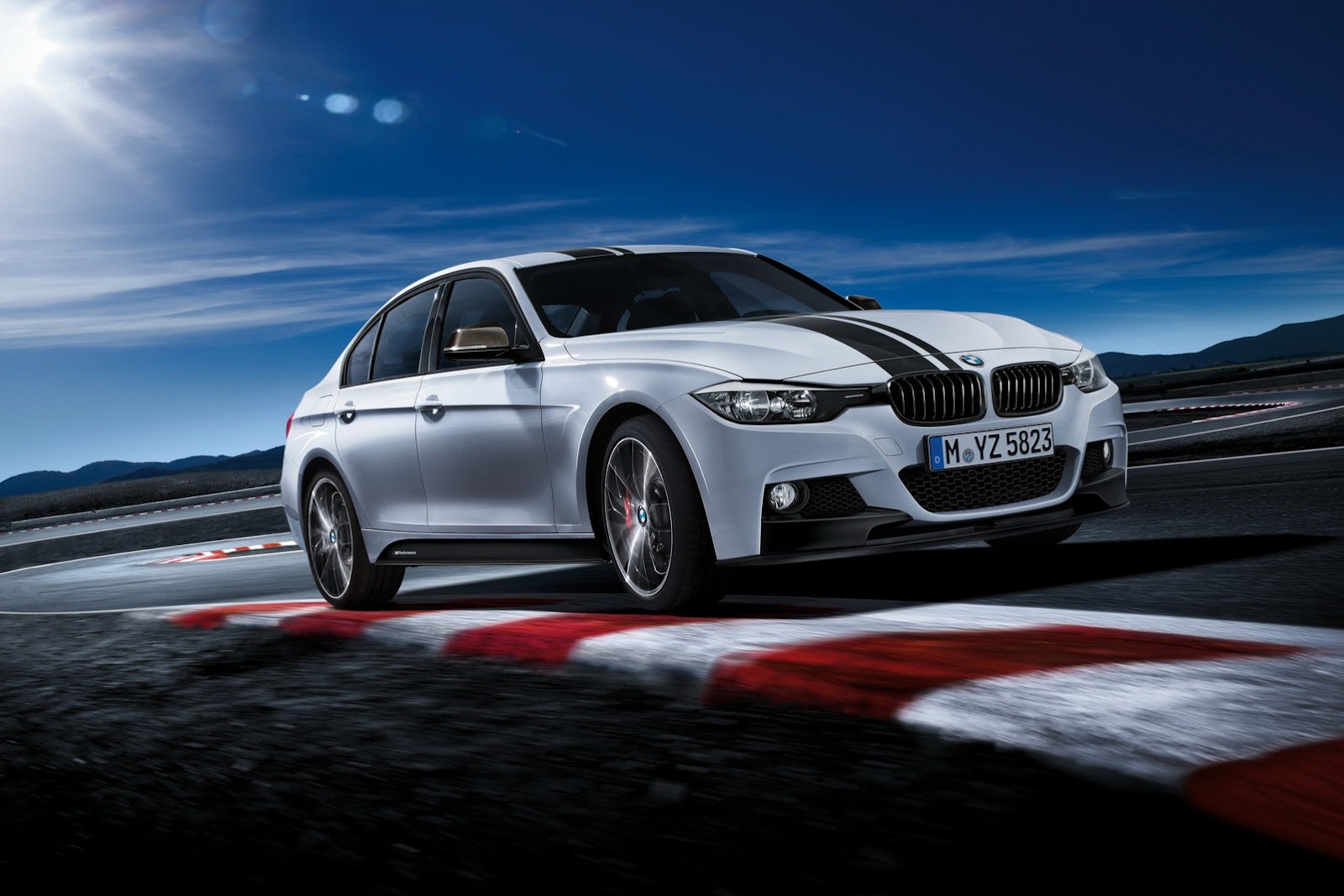
BMW is expanding its M Performance offerings in the United States with a second round of products for the latest iterations of the 3- and 5-Series sedans that are available for order now via the brand's dealerships.

The latest expansion, which comes after the release of a first set of components in May this year, includes chassis, aerodynamic, and cockpit upgrades.

For the exterior appearance of the 3-Series, BMW's M Performance division has prepared a front splitter, rocker panel blades, rear spoiler (in choice of black or carbon fiber finish), rear diffuser, side stripes, and rocker panel decals, while an M Sport Line Retrofit kit is also available.

BMW Performance

Interior appointments for the F30 saloon include stainless steel pedals, floor mats, carbon fiber parking brake handle with Alcantara boot, and a new M Performance Electronic Steering Wheel (see it in action in this video) that is now offered for cars equipped with the Automatic, Sport Automatic, or 6-speed manual transmission.

On the performance front, there's a sports suspension with new coil springs that lower the ride height by 10mm, compared to the factory M Sport suspension, and by 20mm compared to the standard suspension. New 20-inch double spoke wheels housed in 225/35 R20 tires up front and 255/30 R20 92Y in the rear, a high-performance Brembo brake system and n M Performance Exhaust system for the 328i and 335i sedans complete the list.

Owners of the 5-Series sedan can customize the exterior look of their cars with an M Performance rear diffuser that will be joined in early 2013 by a carbon fiber front splitter and an M Sport Package Retrofit kit.

For the interior, new options include a carbon fiber trim package, stainless steel pedal covers and the non-electronic M Performance steering wheel covered in Alcantara and featuring a flat-bottom rim and a red quick-index stripe located at the 12 O’clock mark.

An M Performance exhaust system for the 535i and new V-spoke wheels wrapped in Bridgestone Potenza RE050 A run-flat tires sized 245/35 R20 95Y up front and 275/30 R 20 in the rear for all 5-Series models, round out the new additions for 2013.

 
PHOTO GALLERY
BMW-Performance-M-1BMW-Performance-M-2

Monday, December 10, 2012

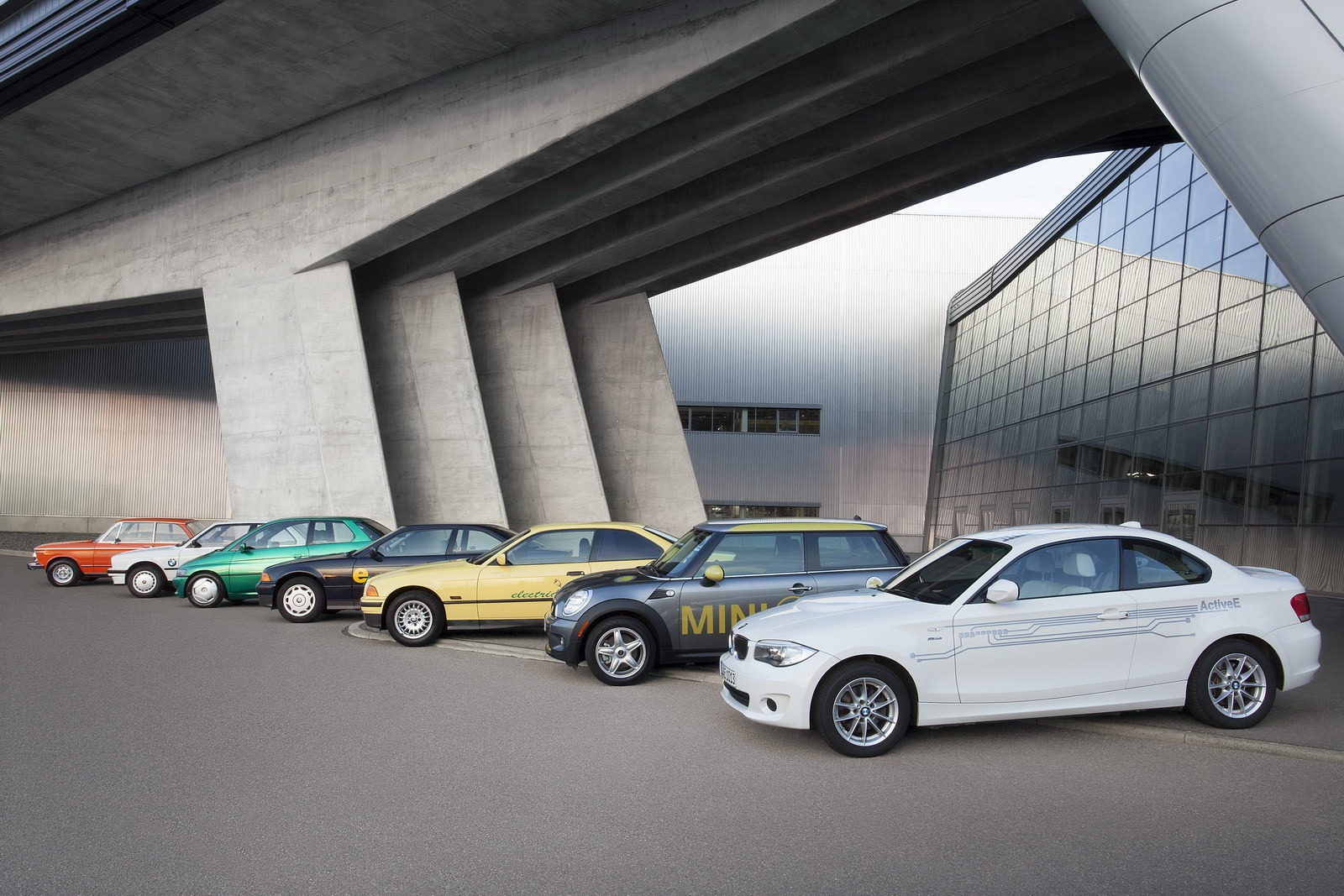
A Brief Look at BMW's All-Electric Cars from the 1970s to Today

On July 25, BMW’s first dedicated i Store opened its doors at London’s Park Lane, right next to the BMW and Mini dealerships, a year and a half before the i3 premium city car rolls off the production line at the company’s Leipzig plant.

The i3 was previewed by a concept study at last year’s Frankfurt Motor Show. The prototype is powered by a 170HP electric motor, although BMW has revealed that the production model will also feature a range-extending gasoline engine that will work as a battery generator.


That much you may know as the Munich-based automaker has been promoting its i sub-brand heavily, the most recent example being the i3 Coupe, a three-door version of the 2011 study.

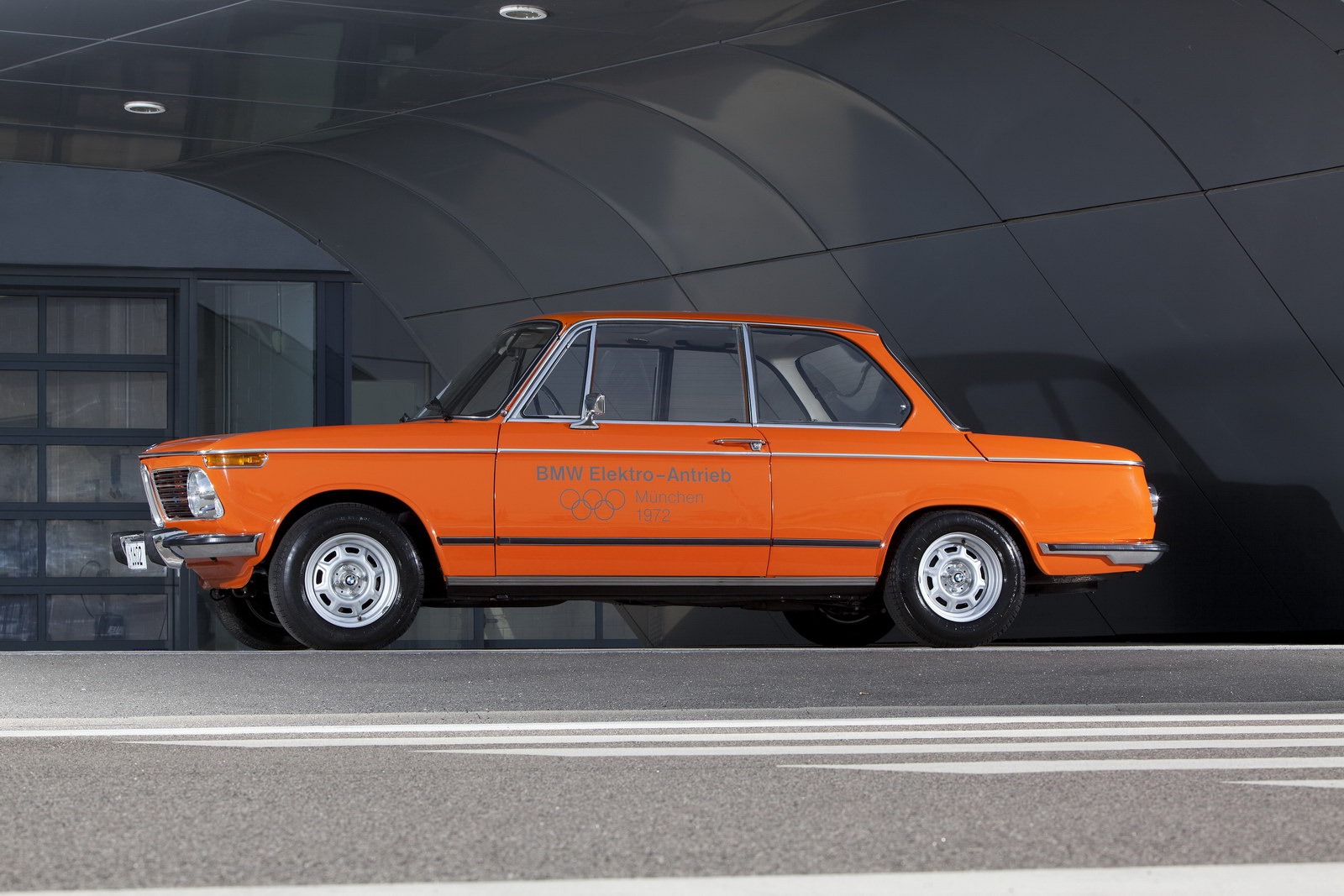
What may come as a surprise to some is that BMW has been working on electric mobility for nigh-on 40 years. Although the 1972 Olympic Games that were held in Munich will remain in history for the tragic events that occurred, it was also the starting point for BMW’s development of electric vehicles, a brief account of which follows below.


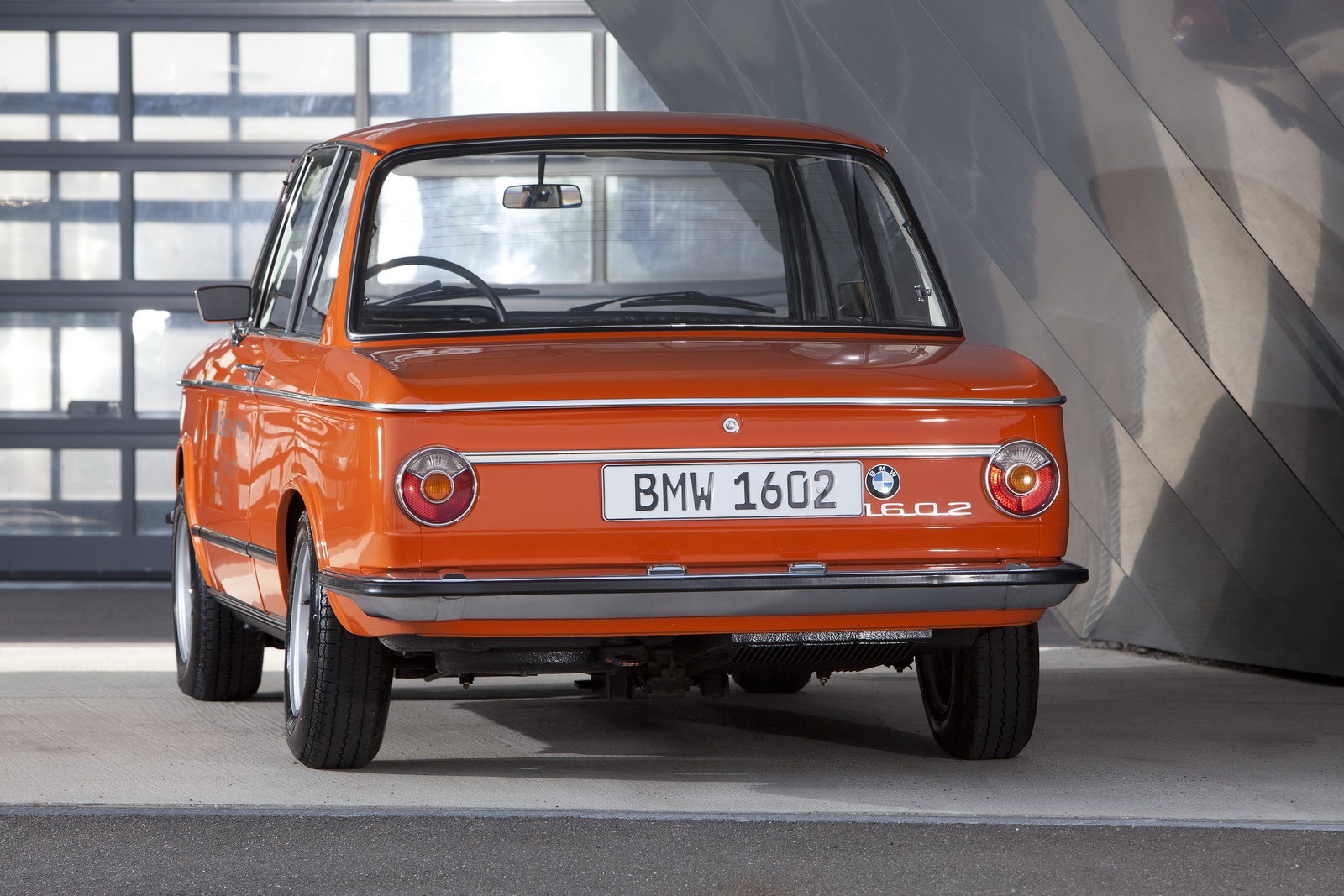
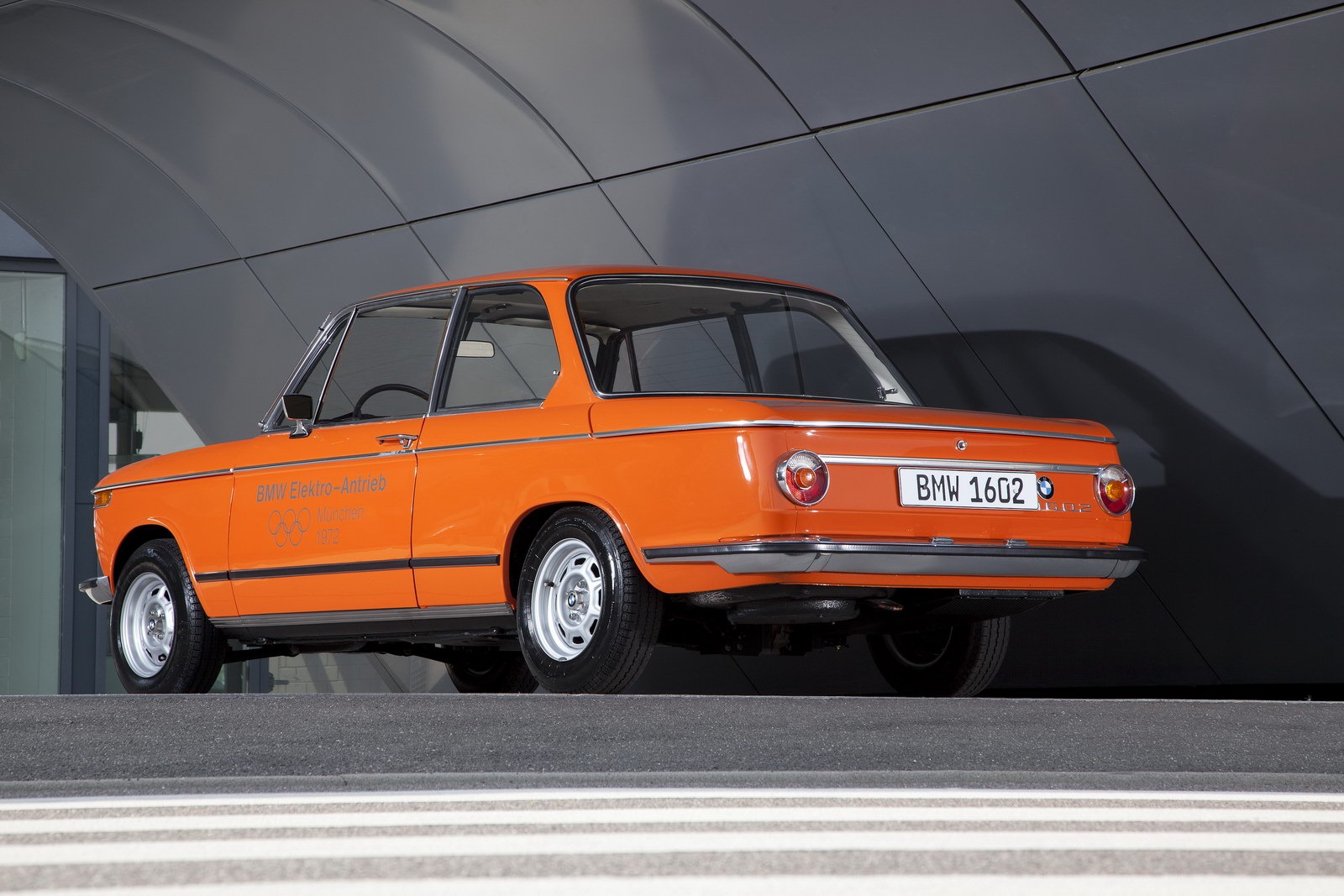
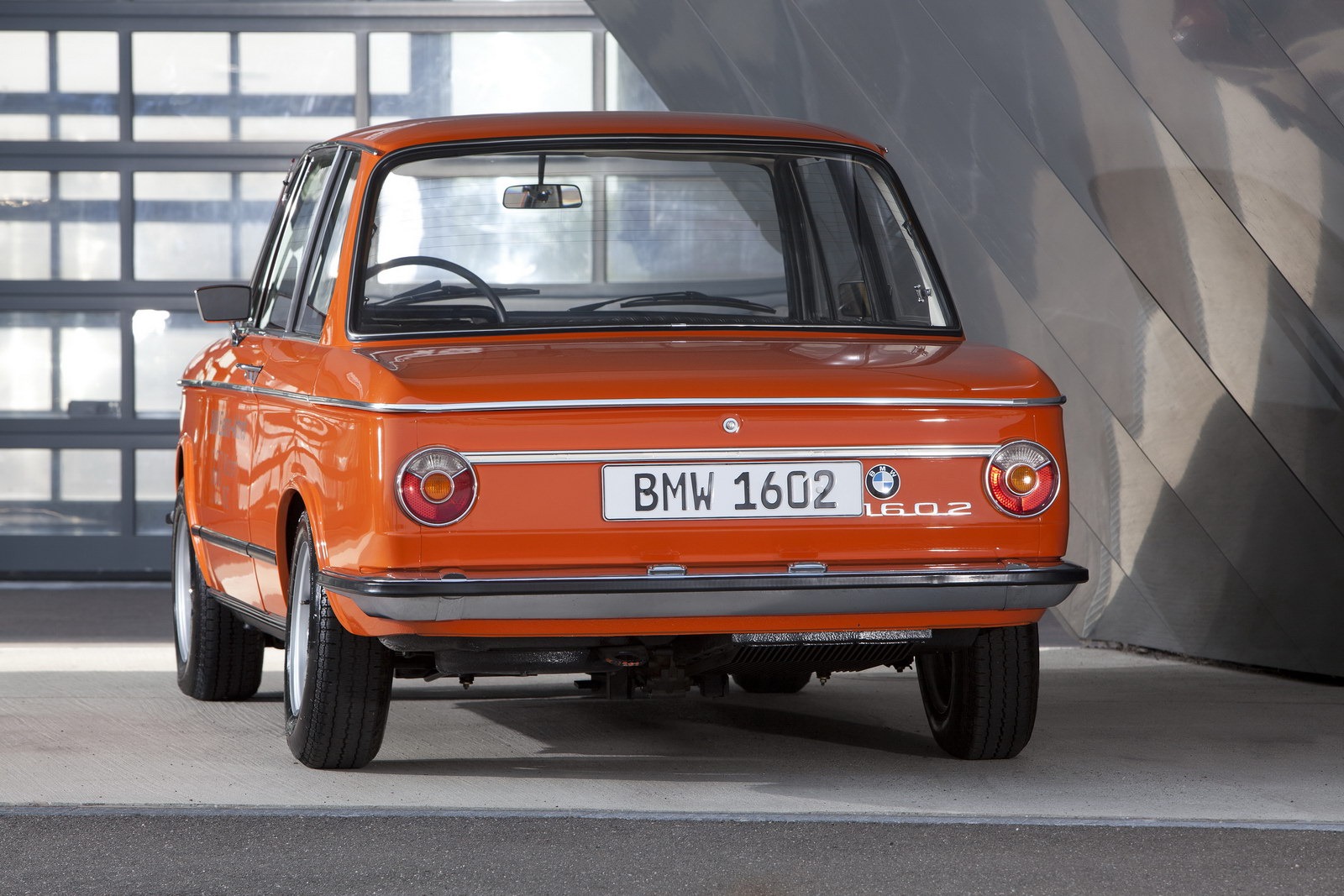
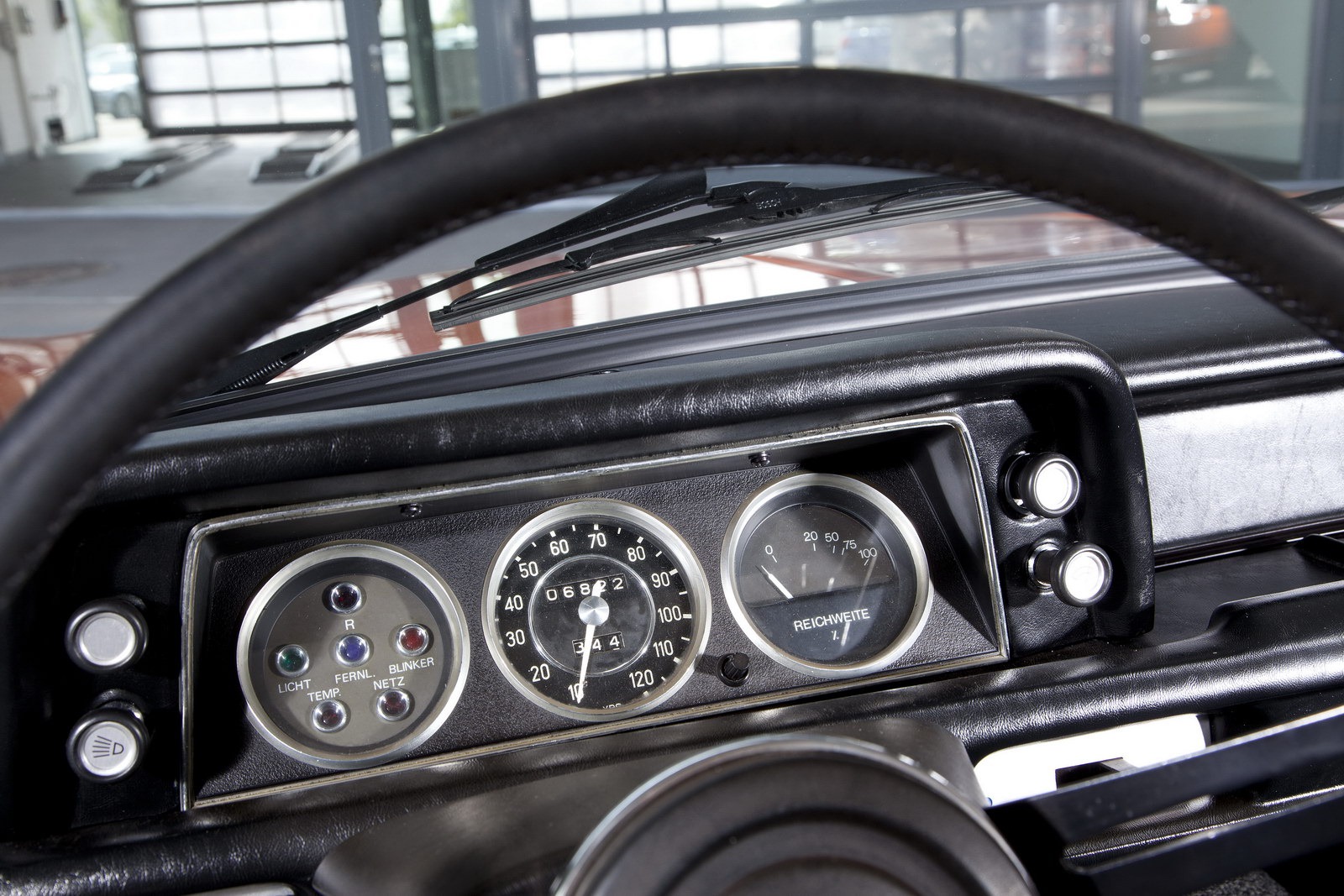
BMW 1602 Electric (1972) / LS Electric (1975)

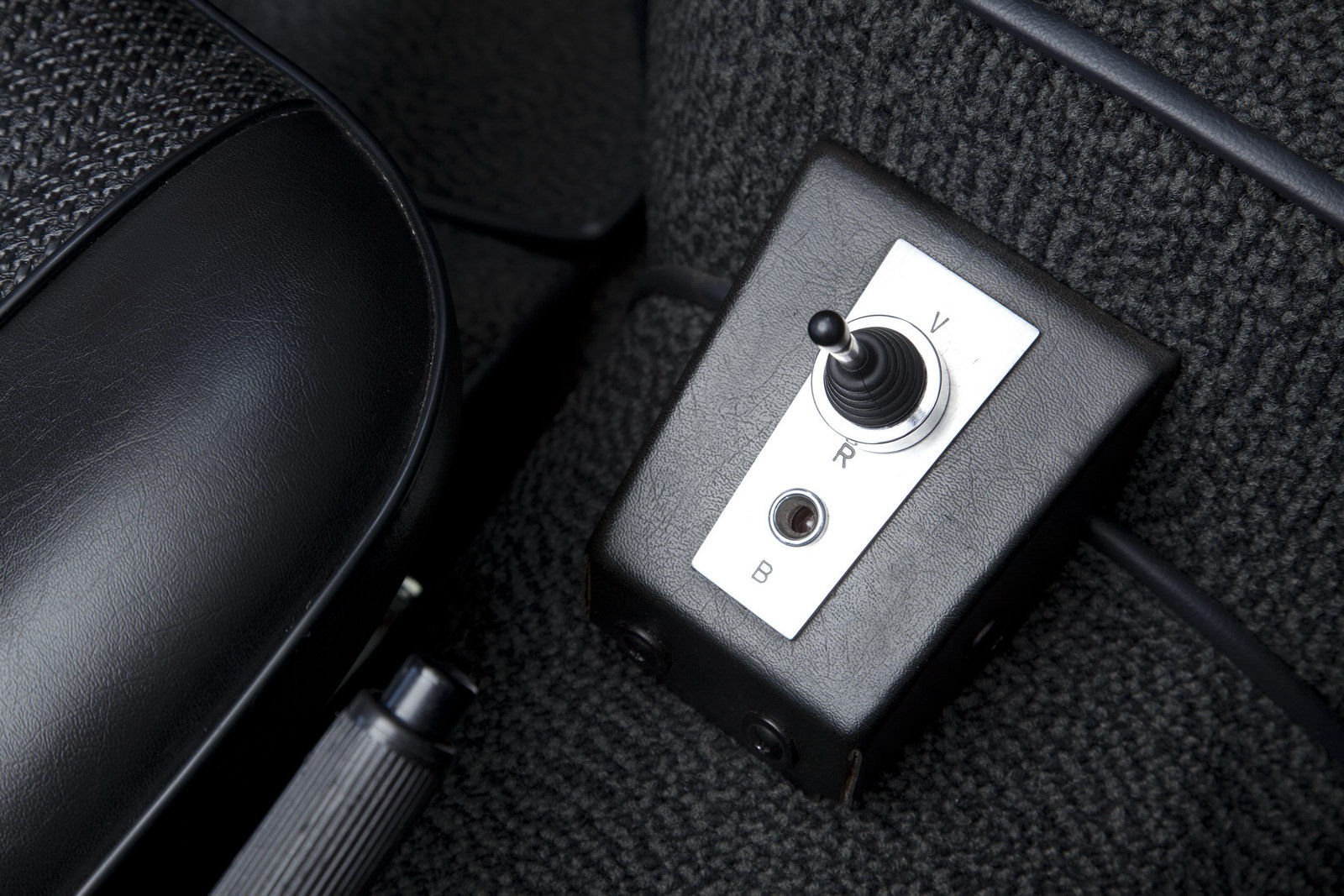
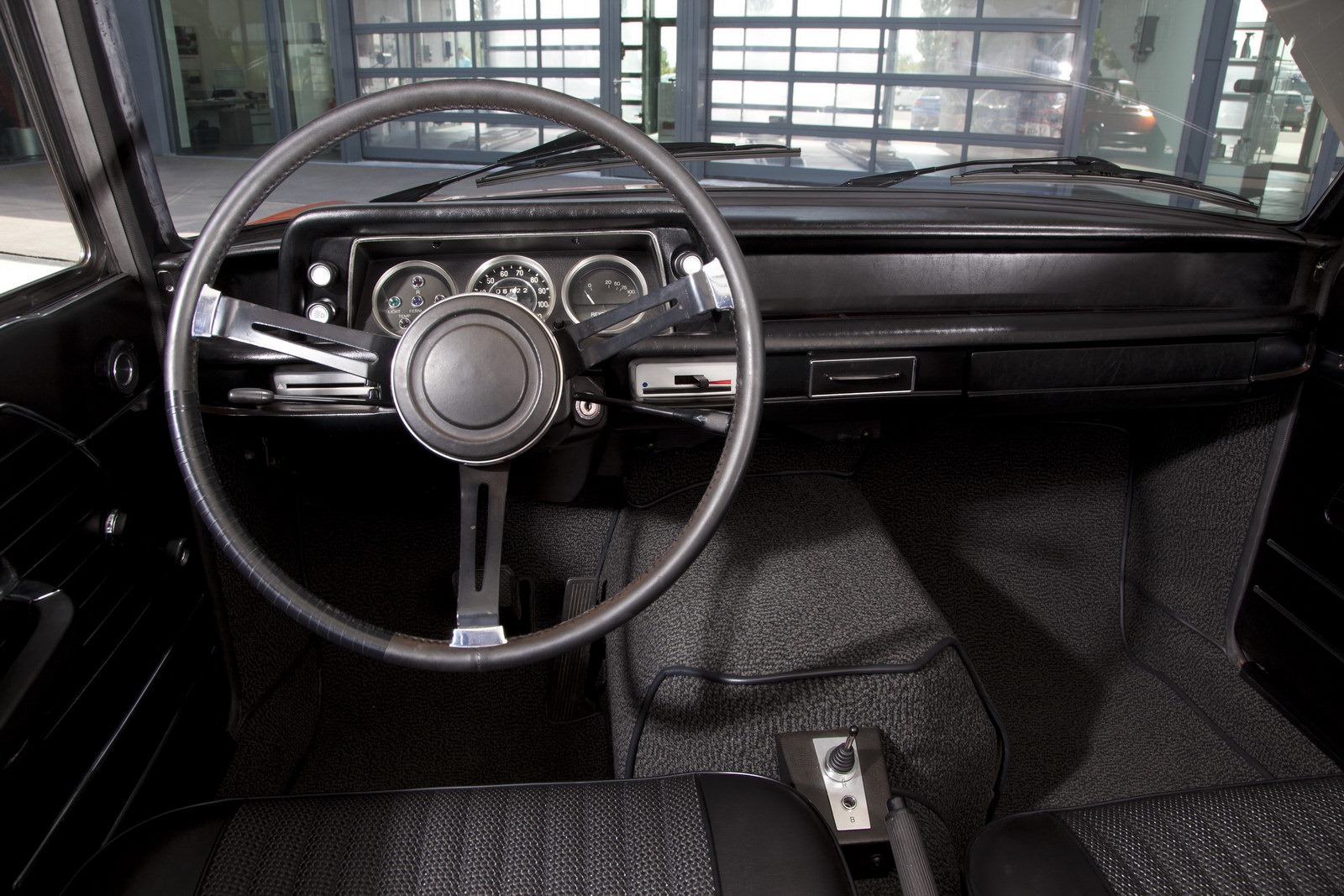
BMW-1602-Electric-4It all started in 1969 when BMW chose the successful 02 Series to begin research on the suitability of an electric drive for everyday cars.

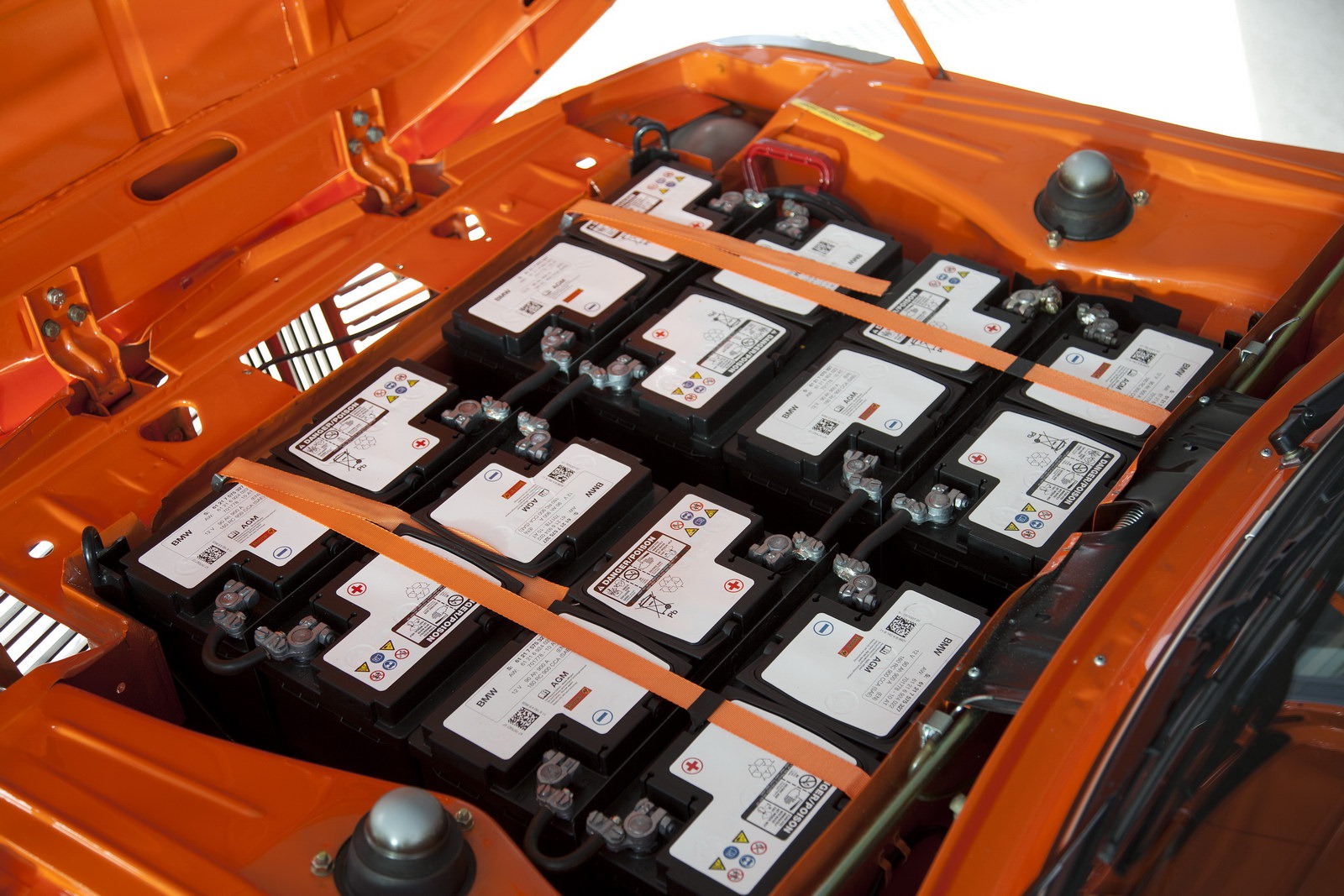
The electric drive consisted of a Bosch-developed shunt-wound motor with a maximum output of 32 kW (43HP) and 12 standard 12V lead-acid Varta batteries placed on a pallet. At 350 kg, the battery pack was quite heavy, but it could be replaced by a freshly charged one, while even back then, the electric motor also worked as a battery generator.

The two prototype 1602 Electric cars that were built were used as support vehicles during the Olympics, though, it was clear that the limited range (30 km/19 miles) in city traffic, among other things, made them a first attempt rather than a feasible solution.

In June 1975, BMW made the second step towards electro mobility, though, it chose to keep it a secret at that time: it took a discarded LS and created a new experimental electric vehicle.

The 1602’s shunt-wound motor was replaced by a new DC series motor, again developed by Bosch, and the battery pack consisted of 10 Varta lead-acid batteries with centralized water topping and degassing.

The experimental LS was the first vehicle with a charger and leads that allowed the batteries to be recharged by a standard socket in 14 hours. 


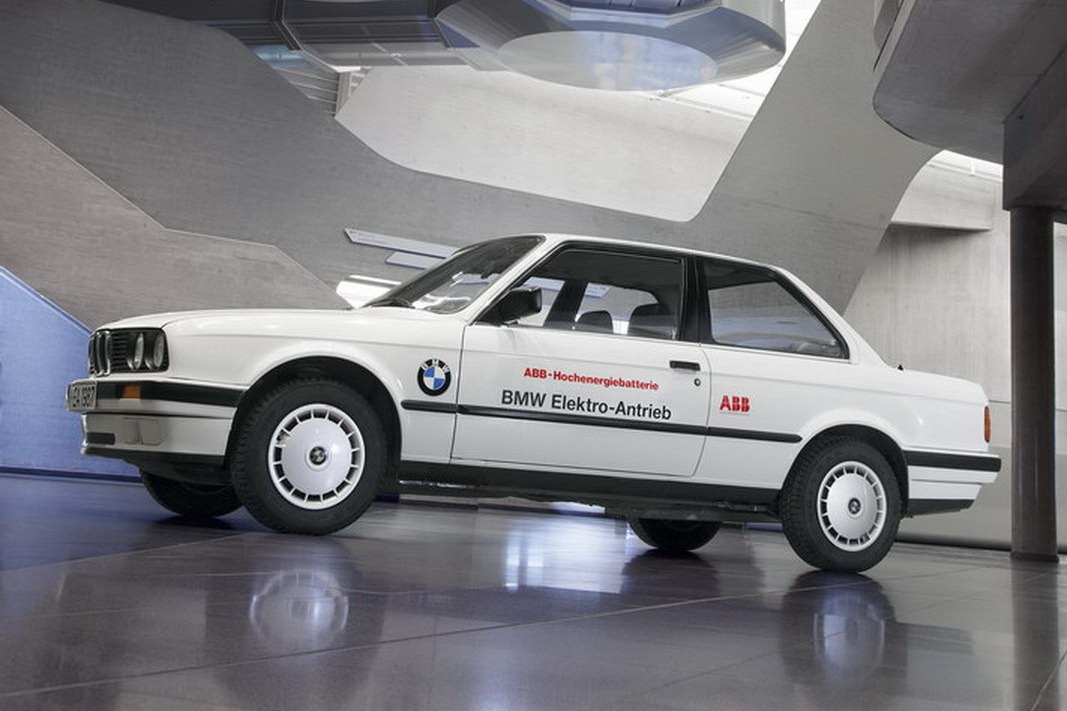
BMW 325iX (1987-1990)

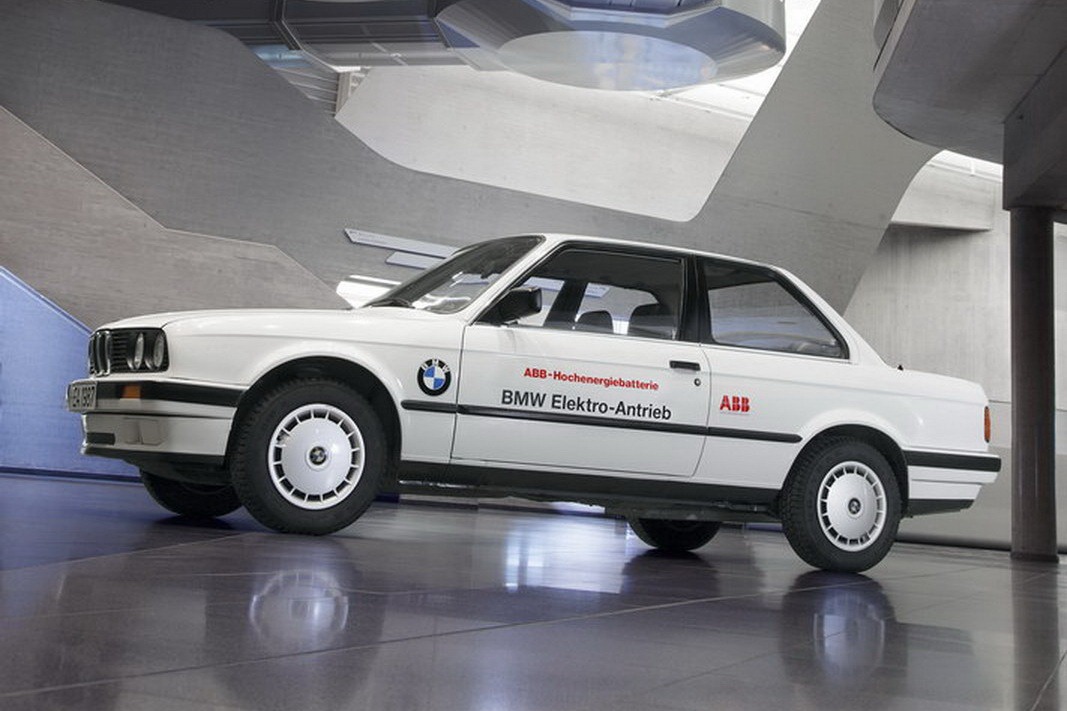
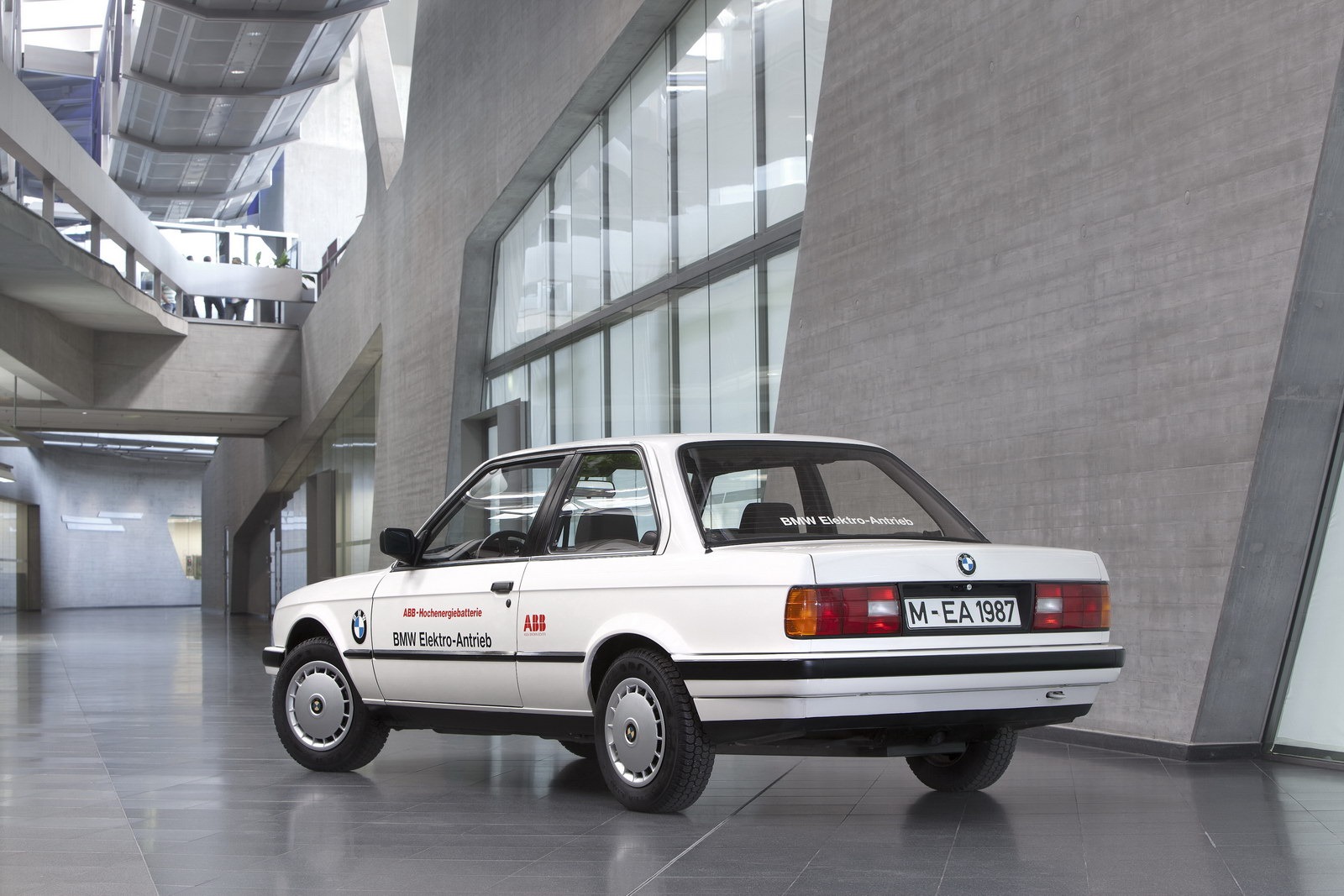
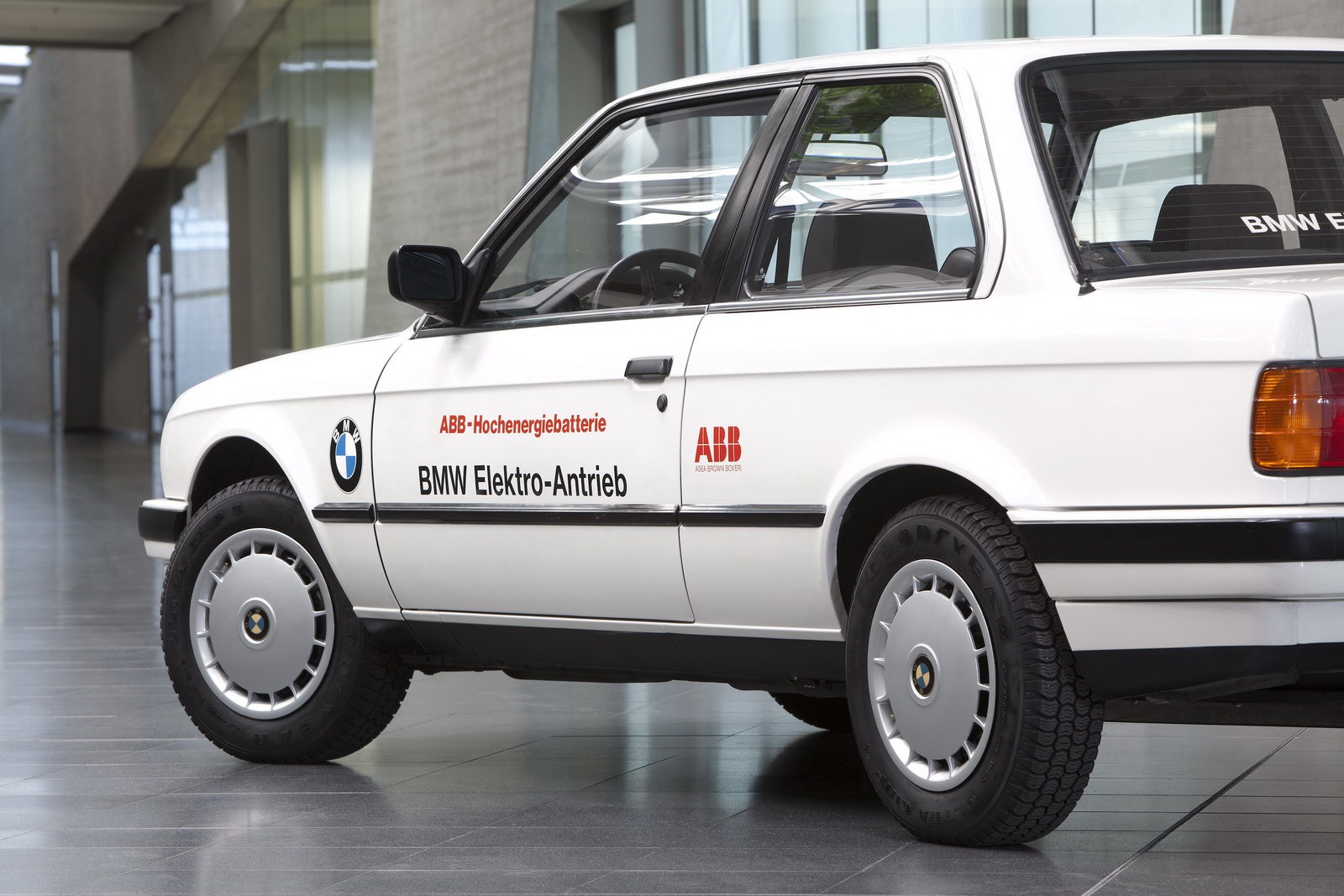
BMW-325iX-2In 1981, BMW launched the “electric car with high-energy battery” project that resulted in eight 325iX cars being used to test a brand-new, maintenance-free sodium-sulphur battery developed by Asea Brown Boveri for use in electric vehicles.

This battery had an energy density three times greater than that of lead-acid ones and, for the first time, the increased weight and other drawbacks of EVs looked like they could be mitigated.

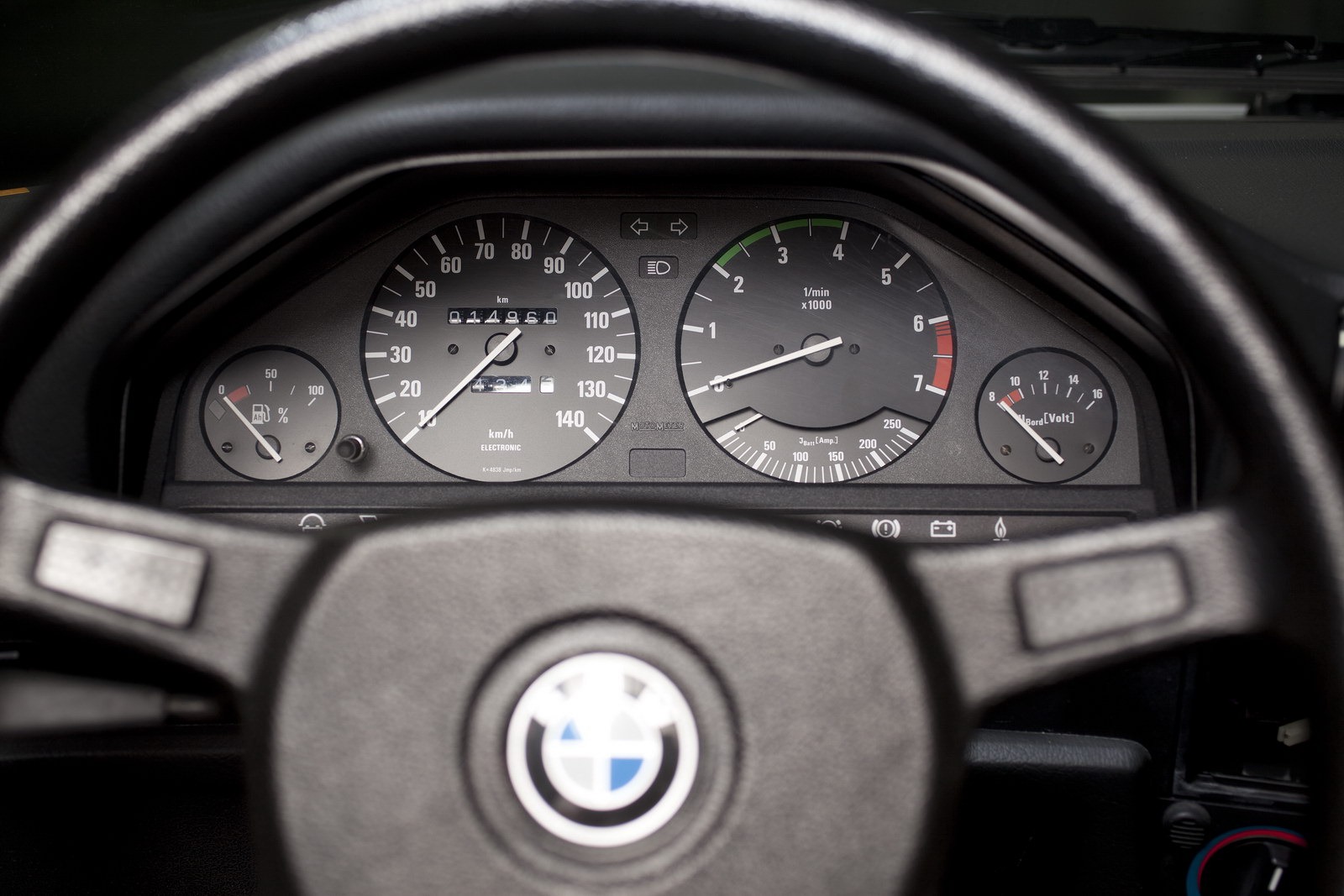
The eight experimental BMWs were converted from all- to front-wheel drive. A new feature was an electronic drive management for monitoring and regulating the battery pack’s charging, which was placed next to the electric motor.

BMW’s R&D department decided to test those prototypes in the real world. Thus, a 3-Series Touring was used by the German postal service as a delivery vehicle, while other cars where provided to state and local authorities.


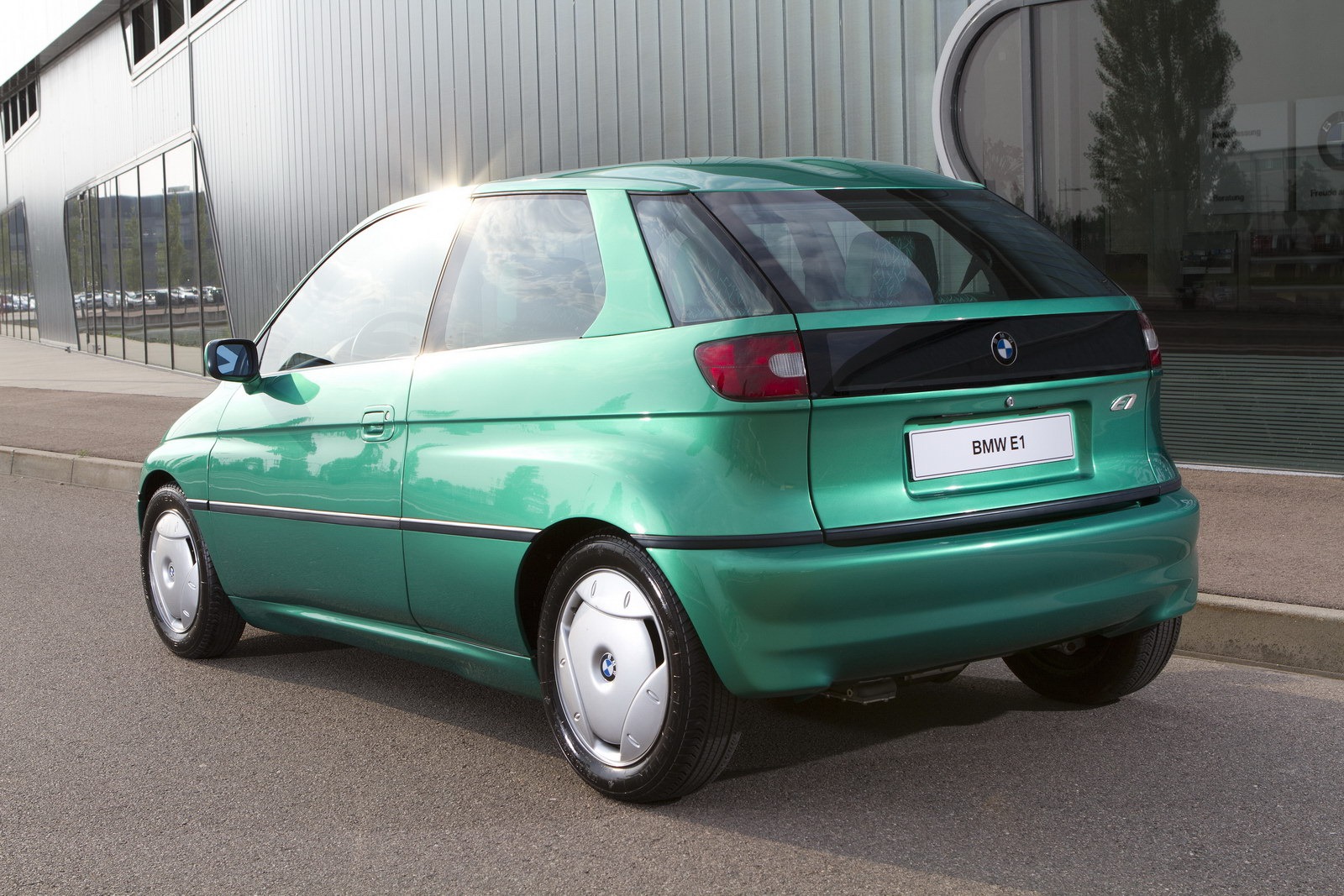
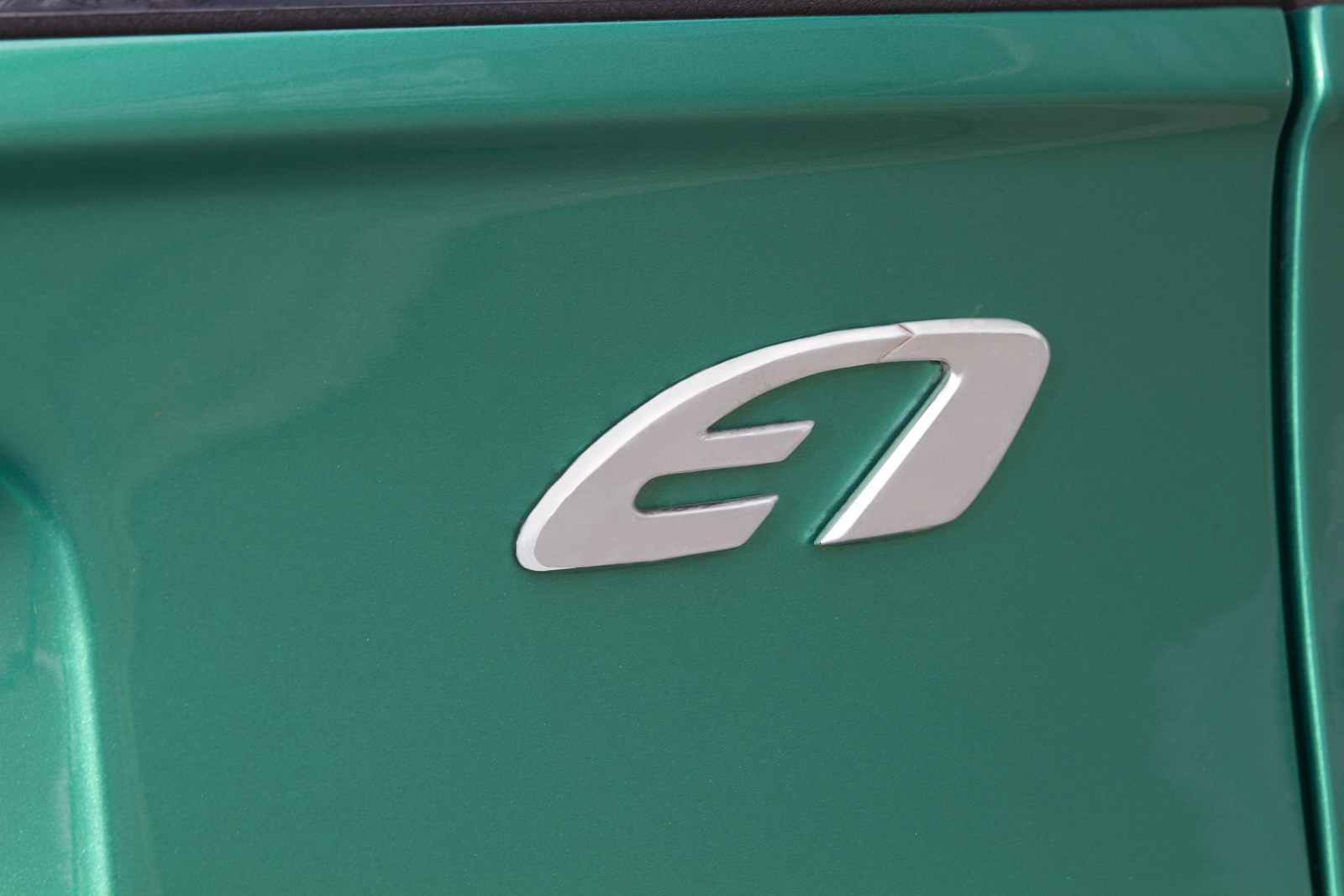
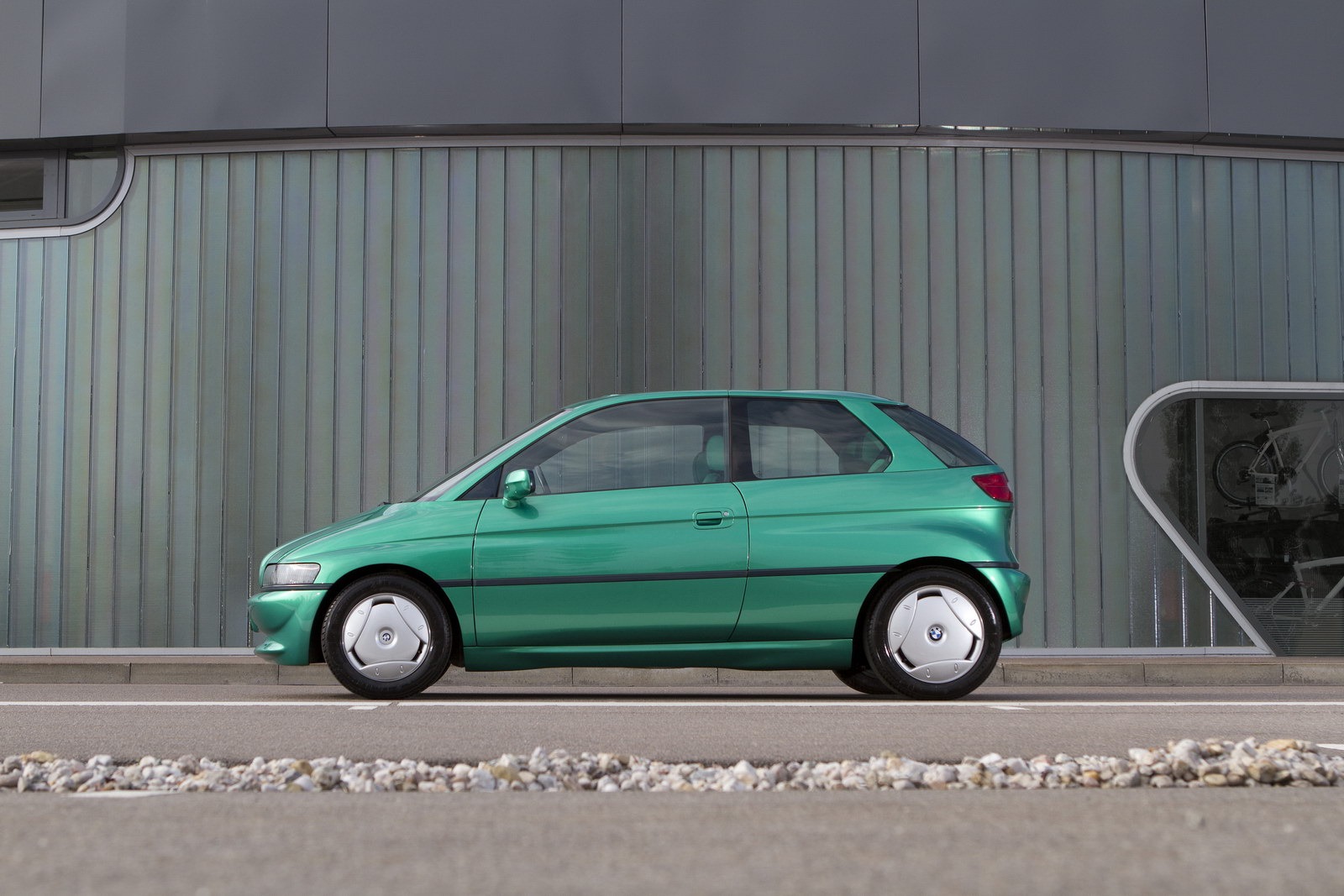
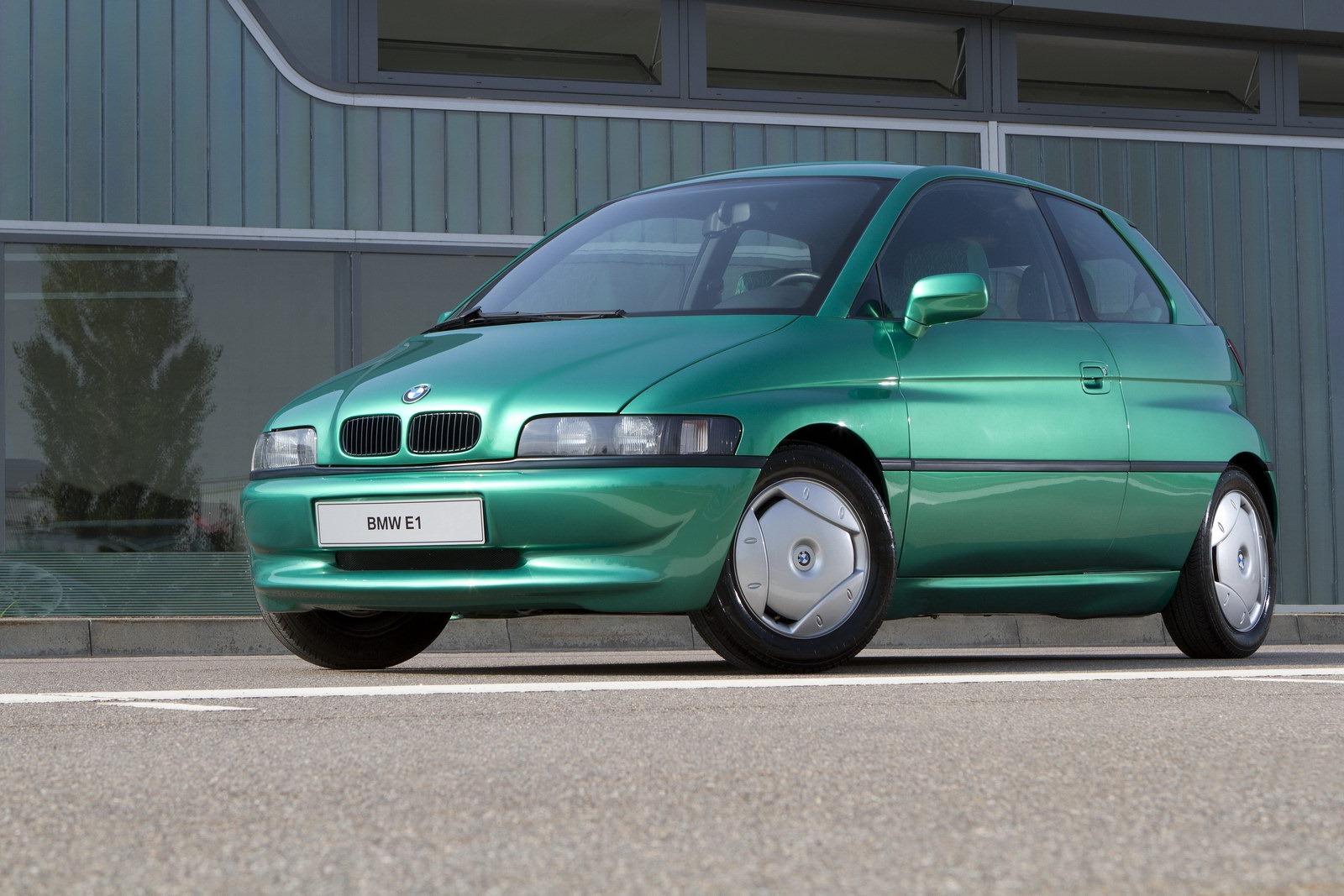
BMW E1 & E2 (1991-1993)

BMW-E1-6The new sodium-sulphur batteries showed much promise, so research continued. Instead of modifying an existing vehicle, however, BMW Technik GmbH was ordered to develop an electric vehicle from the ground up.

Ten months later, the compact BMW E1 concept was displayed at the 1991 Frankfurt Motor Show and a version developed for the U.S. market, named E2, was launched at next year’s LA Show. Keeping weight down was crucial, so the body was built from extruded aluminum sections and the outer skin from recyclable plastic, with the hood and the boot lid made out of aluminum.

The battery pack was placed under the rear seats and the in-house developed electric motor was integrated, along with the transmission, in the rear axle. Charging times went down to just six hours from a mains socket and two hours from a special station, while range was up to 160 km (100 miles).

In 1993, an improved variant of the E1 was launched at Frankfurt, featuring the “ZEBRA” sodium-nickel chloride batteries that improved driving range and performance.


BMW 325 / BMW electric (1992-1997)

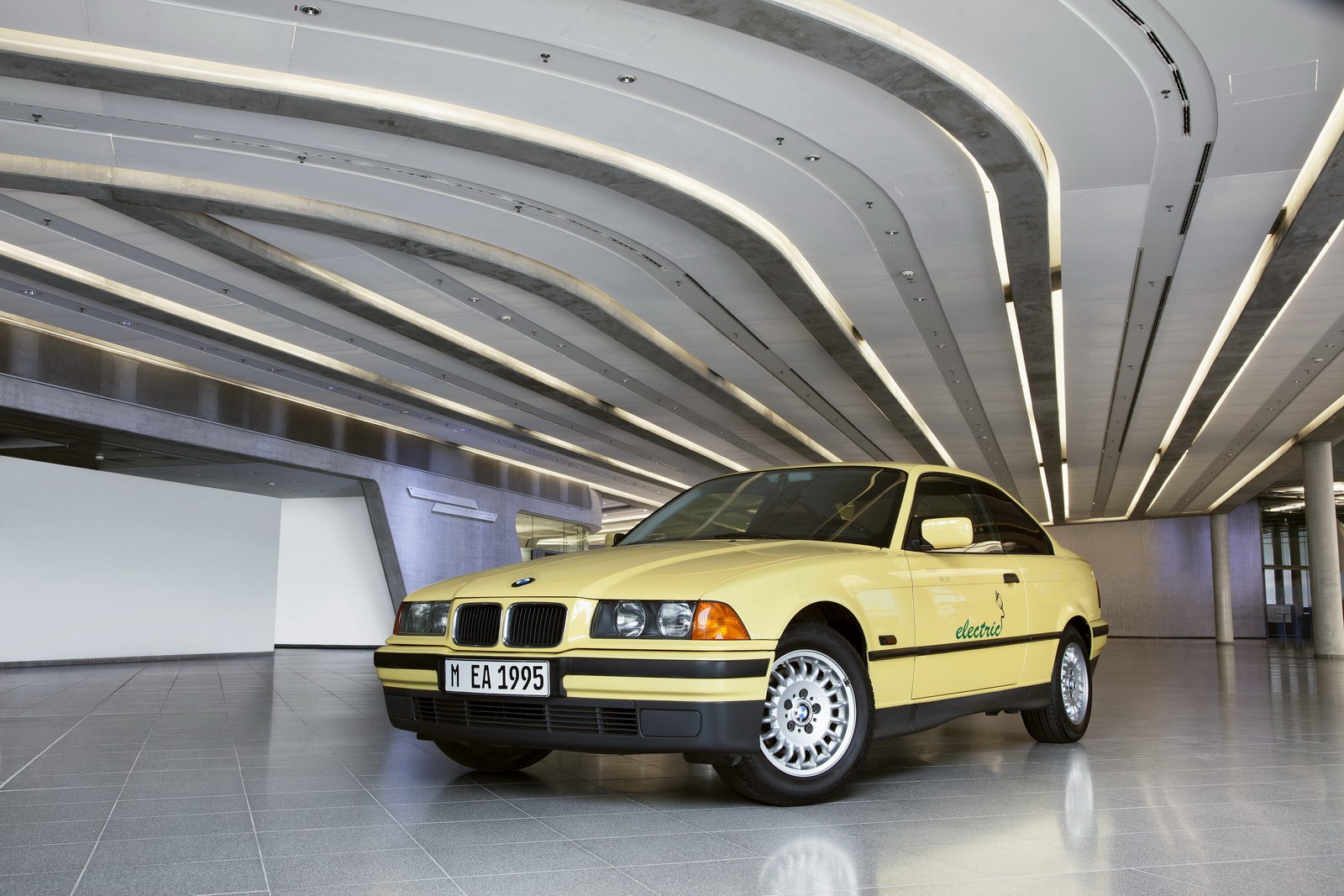
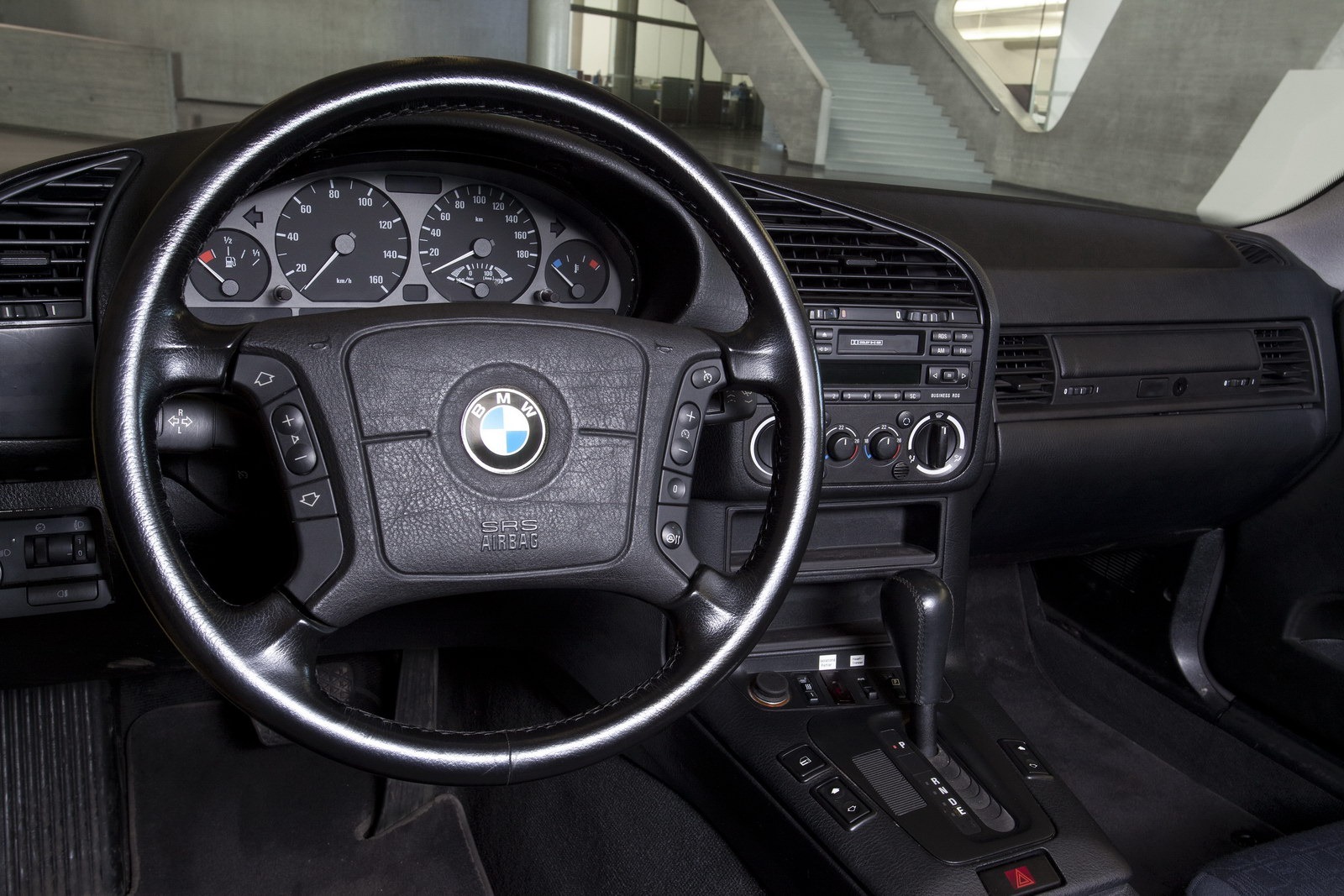
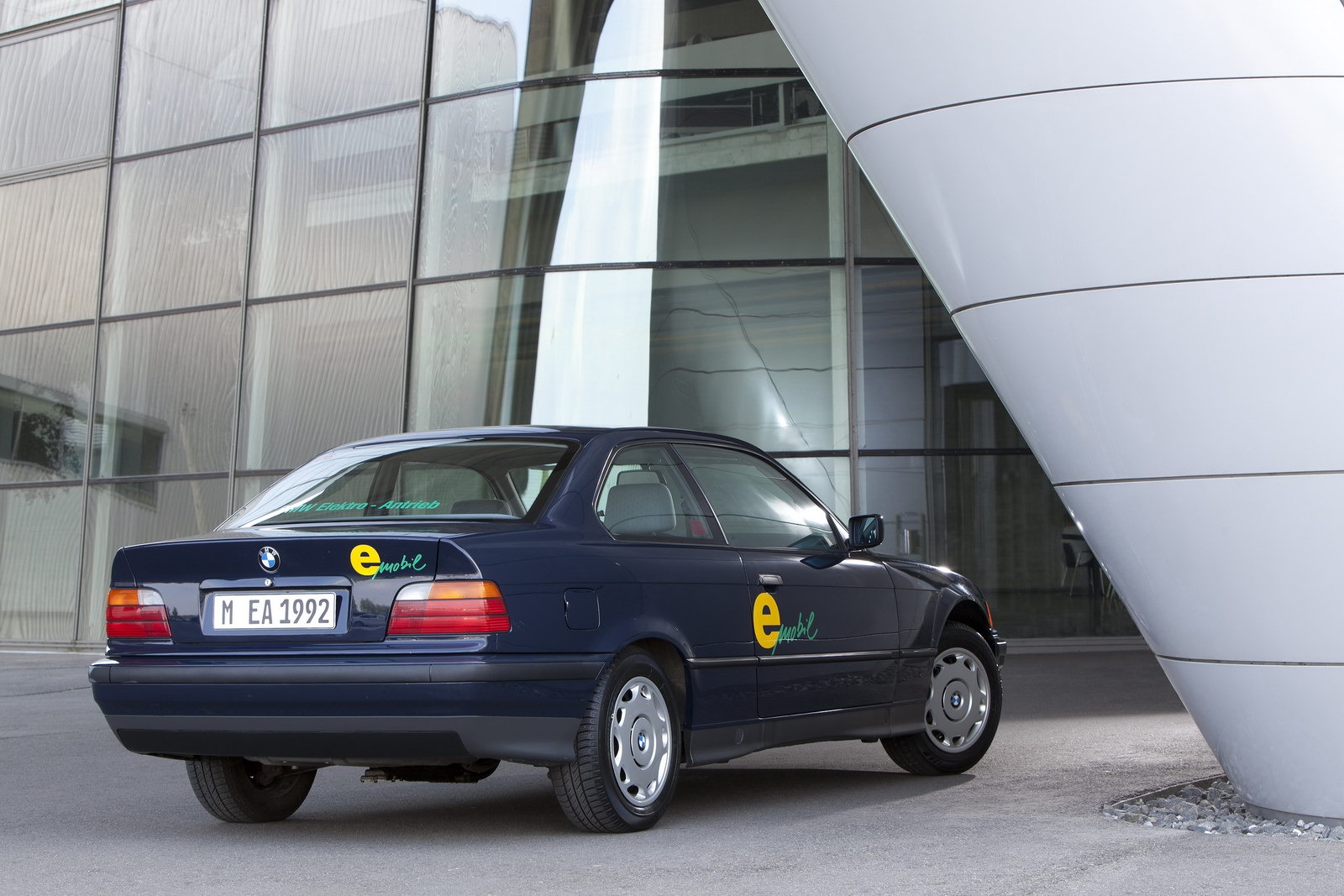
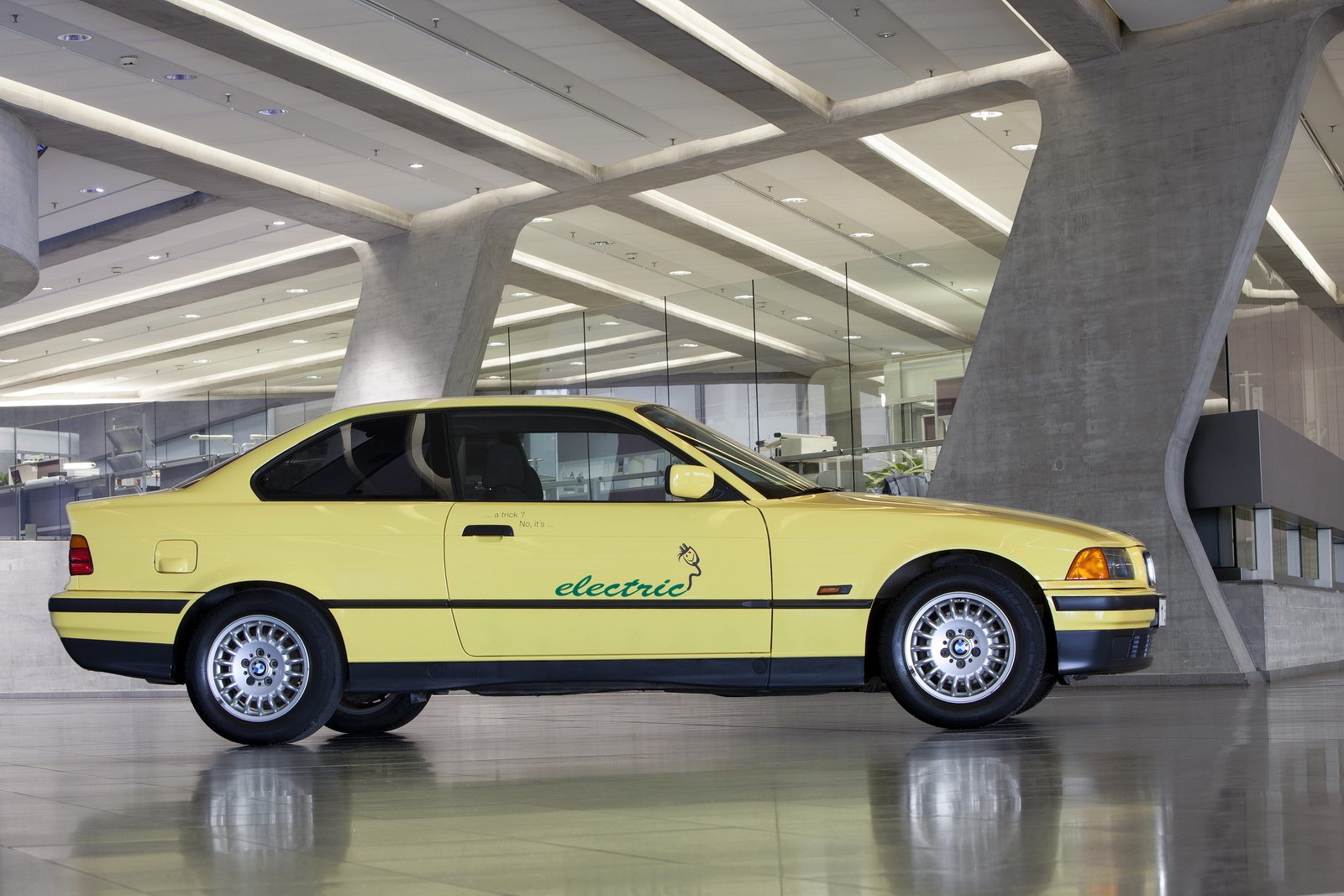
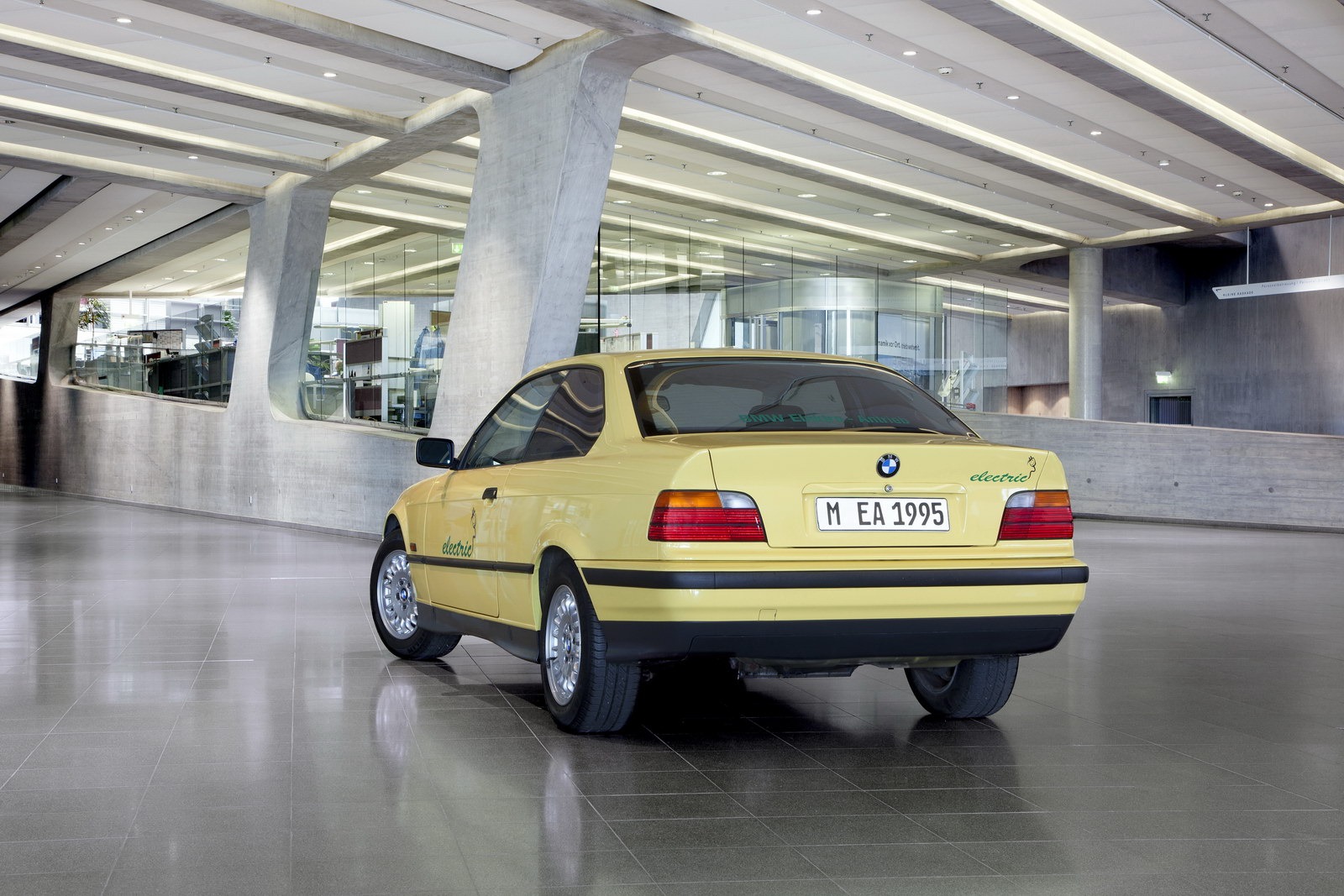
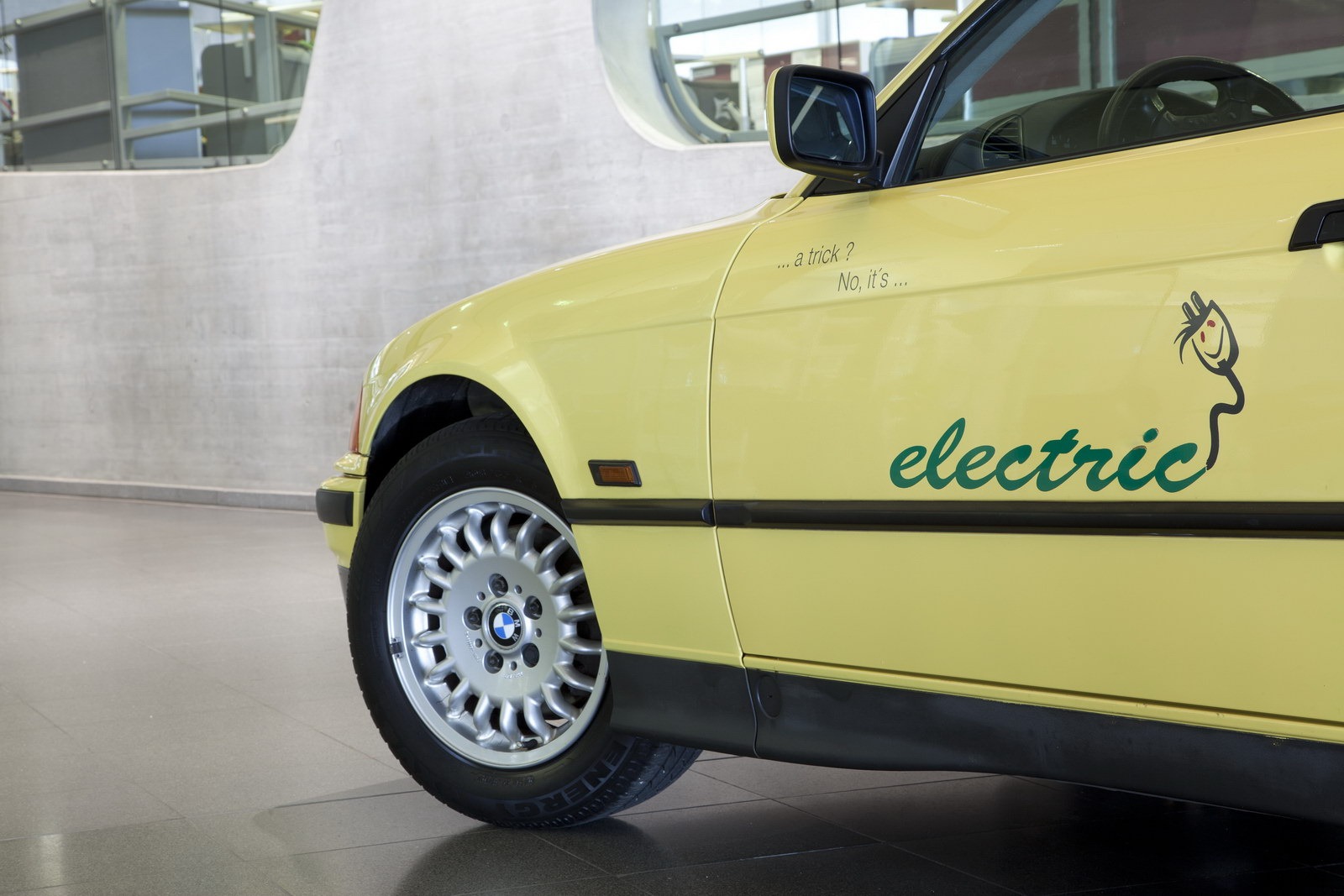
BMW-325i-Electric-7By the early 1990s, BMW was really pursuing electro mobility. The E36 3-Series was the basis for 25 experimental vehicles. Eight of those cars took part in the world’s largest public field trial that had the backing of the German Federal Ministry of Research and Technology, while six joined the Bavarian State Government fleet.

Issues with the sodium-sulphur batteries forced BMW to replace them with sodium-nickel chloride units from the E1 concept. During the project’s development, electric motor output reached 45 kW (60HP) and quick charging allowed a 75 percent battery charge to be attained in just 40 minutes.


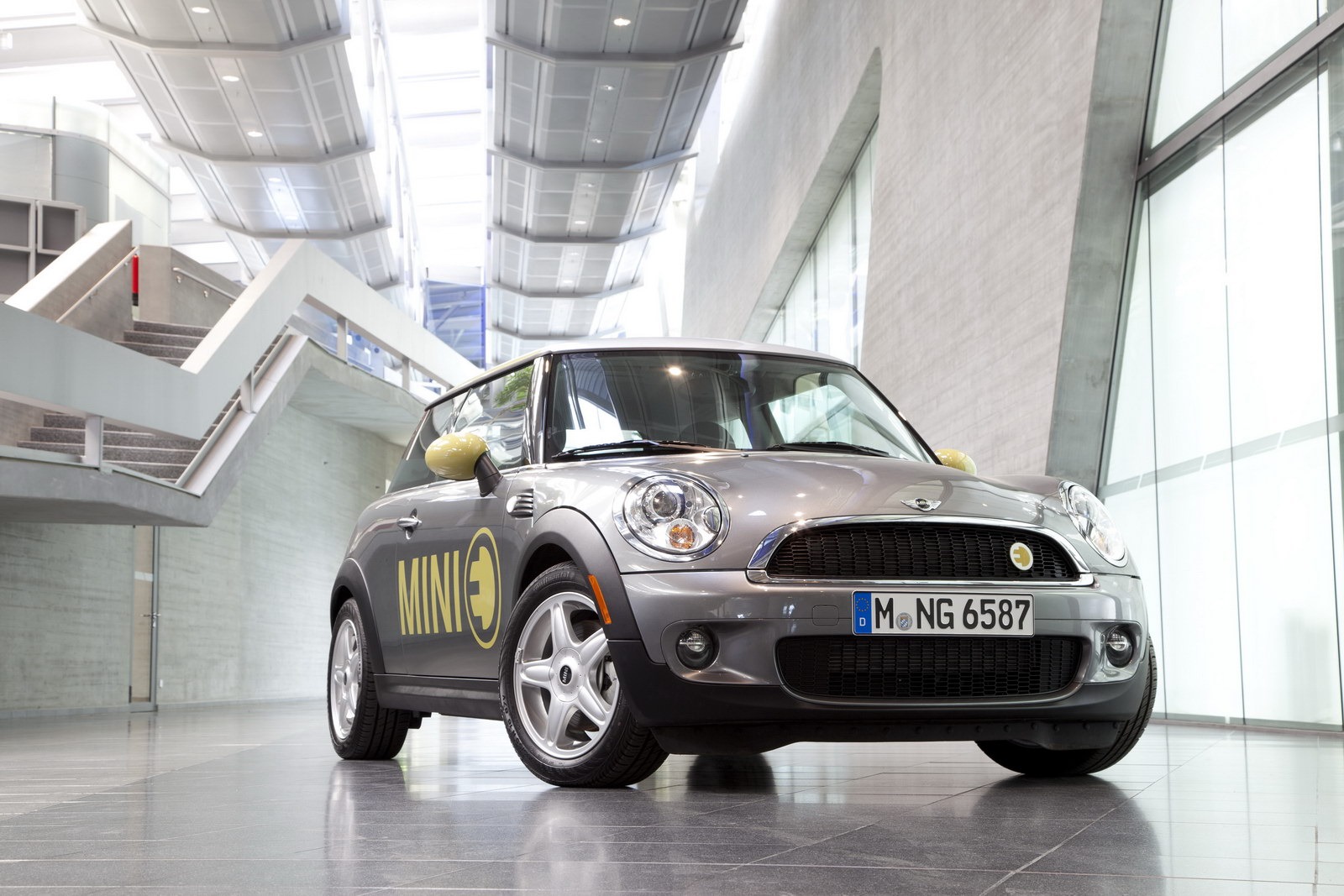
MINI E (2008-)

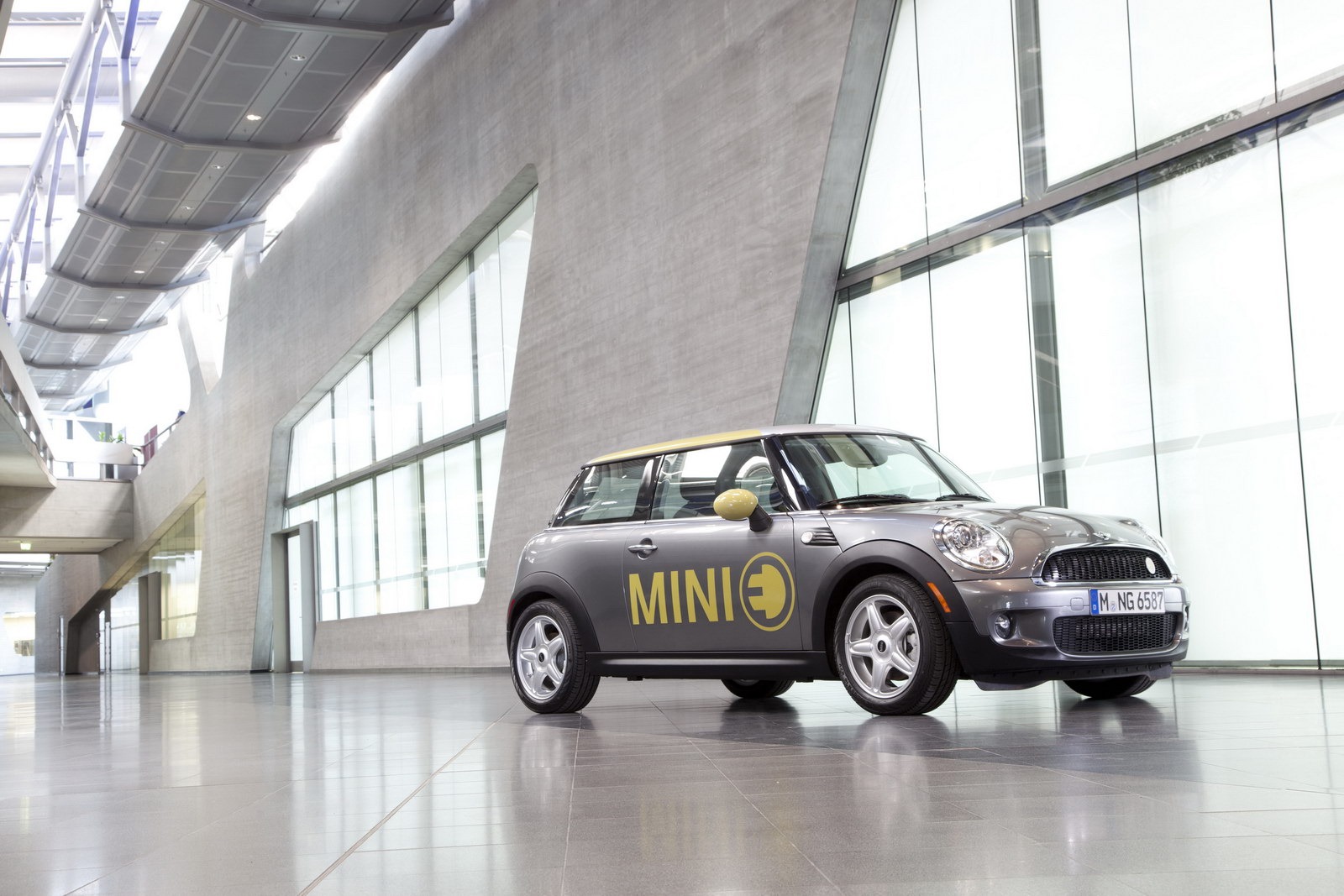
MINI-E-4By the end of the 21st century’s first decade, BMW had made strides in its EV research. Thus, no less than 600 (!) all-electric Mini E cars were provided to selected customers, both private and corporate, first in the U.S. and later in Europe.

The powertrain consisted of a 150 kW (200HP) asynchronous electric motor and a 35 kWh lithium-ion battery pack. It was good enough for a 8.5-second 0-100 km/h (0-62 mph) sprint and a range of 250 km (155 miles) and the data gathered from everyday use were channeled into the development of what was at the time known as the BMW Megacity Vehicle.


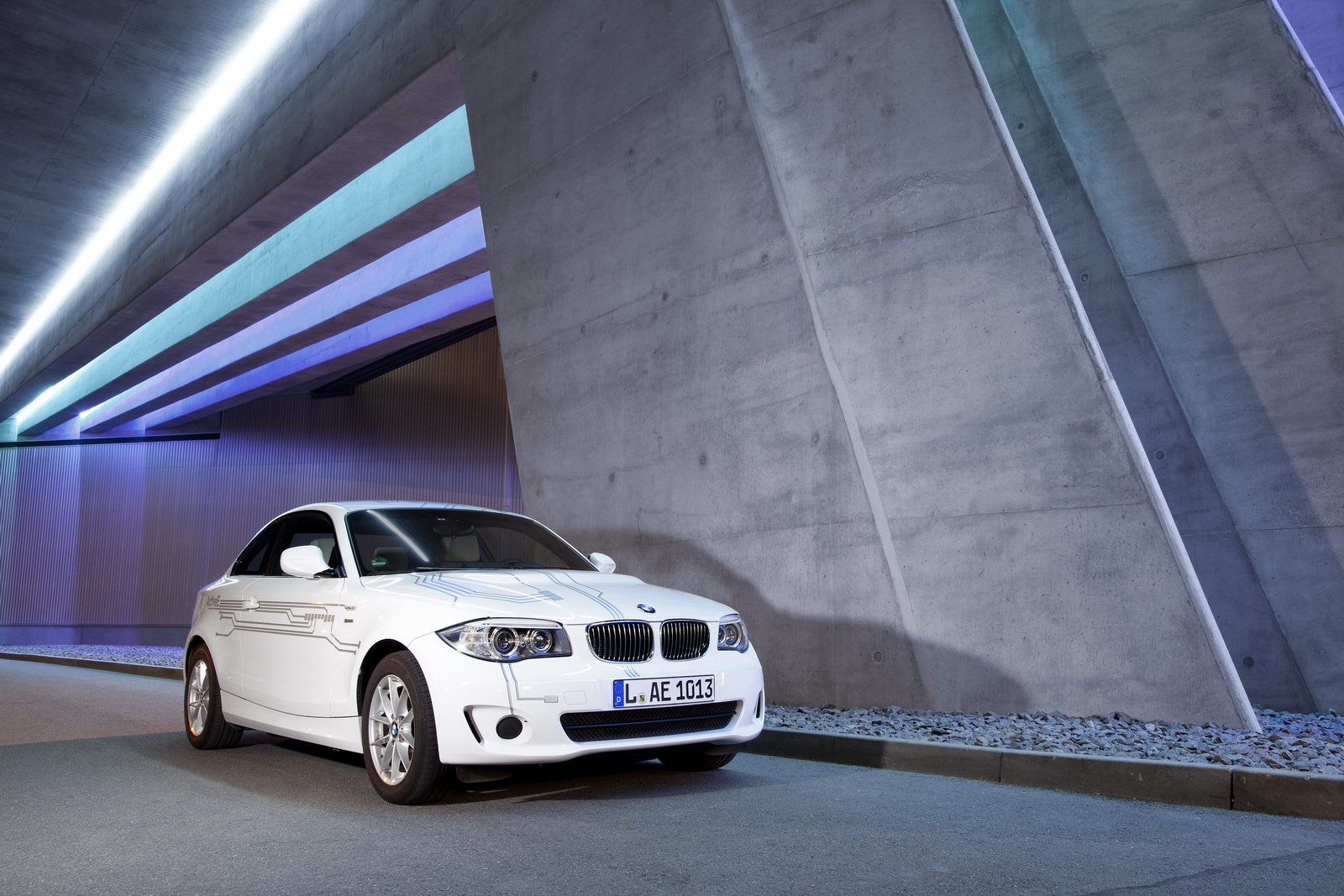
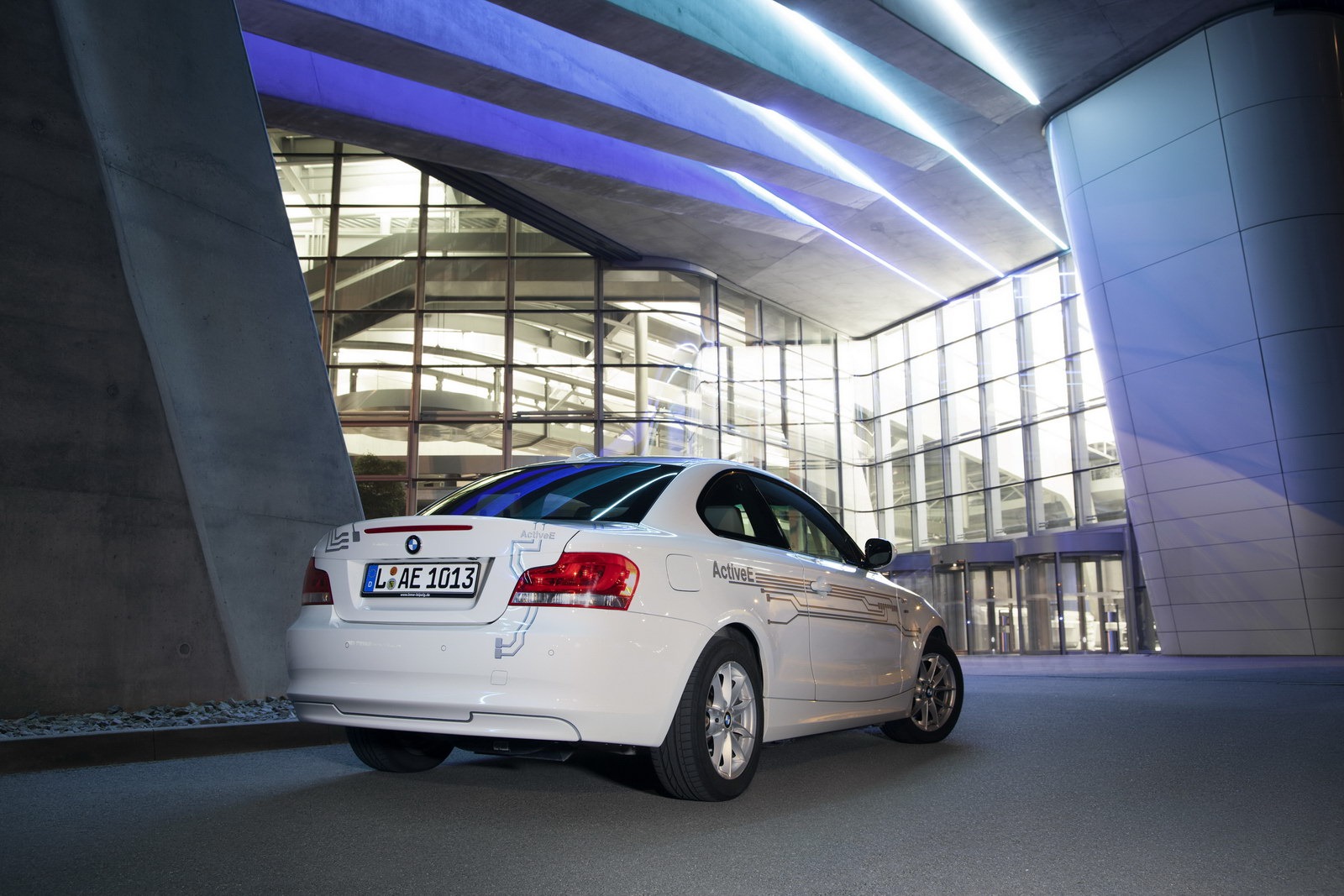
BMW ActiveE (2010-)

BMW-ActiveE-4Nearly a year after the Mini E test fleet commenced testing, BMW unveiled the Concept ActiveE prototype. Based on the 1-Series Coupe, it was created to test pre-production versions of the components that would make it in the Megacity city car.

More than 1,000 test vehicles were built, powered by a 125 kW (167HP), 250 Nm (184 lb-ft) electric motor. The newly-developed lithium-ion battery provided a range of nearly 160 km (100 miles) in everyday use and all components, which were developed in-house, were designed so as not to compromise interior space.


By Andrew Tsaousis

 
PHOTO GALLERY
BMW-1602-Electric-1BMW-1602-Electric-2BMW-1602-Electric-3BMW-1602-Electric-4BMW-1602-Electric-5BMW-1602-Electric-6BMW-1602-Electric-7BMW-1602-Electric-8BMW-1602-Electric-9BMW-325i-Electric-1BMW-325i-Electric-10BMW-325i-Electric-2BMW-325i-Electric-3BMW-325i-Electric-4BMW-325i-Electric-5BMW-325i-Electric-6BMW-325i-Electric-7BMW-325i-Electric-8BMW-325i-Electric-9BMW-325iX-1BMW-325iX-2BMW-325iX-3BMW-325iX-4BMW-325iX-5BMW-325iX-6BMW-325iX-7BMW-ActiveE-1BMW-ActiveE-2BMW-ActiveE-3BMW-ActiveE-4BMW-ActiveE-5BMW-E-Range-1BMW-E-Range-2BMW-E1-1BMW-E1-2BMW-E1-3BMW-E1-4BMW-E1-5BMW-E1-6BMW-E1-7BMW-E1-8MINI-E-1MINI-E-2MINI-E-3MINI-E-4MINI-E-5

Twitter Delicious Facebook Digg Stumbleupon Favorites More

 
Design by Free WordPress Themes | Bloggerized by Lasantha - Premium Blogger Themes | Best WordPress Web Hosting